



OPINION: A.S. Ibrahim.
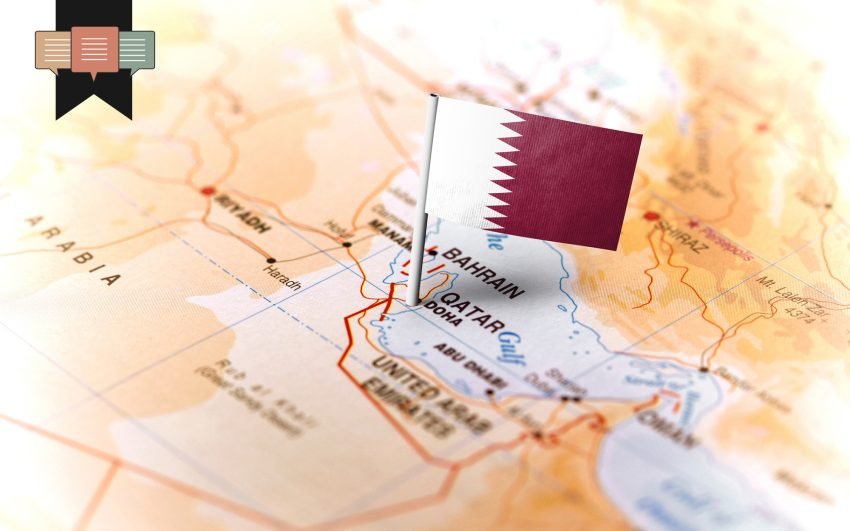
In the vast expanse of the Arabian Peninsula, tiny Qatar—smaller than Connecticut—casts an outsized and dangerous shadow. Fueled by gas riches, it channels billions into Muslim and non-Muslim lands alike, including the heart of America, advancing an Islamist agenda that sows division and extremism under the guise of philanthropy. Most alarming is Qatar’s playbook: a calculated campaign of funding universities to shape Islamist-friendly education and financing radical mosques to propel political Islam. These are not benign investments. They amount to a stealth assault on Western values, empowering radicals while Qatar postures as a benevolent mediator.
Make no mistake: Qatar’s influence operates quietly behind the scenes. By some reports, since 2001 this small petrostate has funneled more than $6 billion into U.S. universities—much of it unreported and cloaked in secrecy. The Qatar Foundation operates as the chief laundromat, routing funds through nonprofit fronts to evade disclosure laws and embed pro–Muslim Brotherhood narratives into curricula. Middle East studies programs are particularly targeted, their scholarship bent toward Islamist sympathy. This is no accident; it is deliberate infiltration.
Consider the concentrated cash injections into elite institutions.
Reports indicate that Cornell has pocketed a staggering $1.95 billion, while Texas A&M has received more than $485 million, both operating branch campuses in Doha that double as hubs for Islamist influence. Faculty, lured by the money, weave pro-Qatari and anti-Israel threads into syllabi, suppress criticism of Hamas, and transform lecture halls into propaganda mills. Liberals naïvely insist that Qatar’s natural gas wealth merely enables neutral foreign funding—as though this were harmless cultural exchange. But let’s be honest: Islamists are never transparent about their goals.
Qatar denies wrongdoing, cloaking its activities in humanitarian rhetoric. Yet even Muslim nations like the UAE and Saudi Arabia rightly label Qatar Charity a terrorism enabler. The United States itself designated its affiliates in 2008 before curiously easing scrutiny. Unproven? Hardly. These unreported billions correlate with surges in pro-Hamas activism and speech intolerance on American campuses, where Qatari dollars purchase advocacy for Islamic causes and convert ivory towers into echo chambers for Hamas, CAIR, and Muslim Brotherhood sympathies.
Qatar’s influence peaks in its role as a safe haven for the Muslim Brotherhood and a paradise for Hamas terrorists.
Equally pernicious is Qatar’s flood of cash into mosque construction and Islamist propagation across the West.
Qatar Charity has reportedly poured hundreds of millions into over 140 mosques and schools in Europe since 2004, with the vast majority linked to Muslim Brotherhood centers. These institutions fracture communities and export a toxic hybrid of Wahhabi and Brotherhood extremism through front organizations designed to evade scrutiny.
In the United States, the infiltration is no less brazen. Qatar funds mosques identified as Brotherhood-affiliated, using charitable facades to conceal their true purpose. The result is predictable—mosques that churn out radical sermons, glorify jihad, stoke anti-Western hatred, and radicalize congregants, sowing discord in democratic societies.
Qatar’s influence peaks in its role as a safe haven for the Muslim Brotherhood and a paradise for Hamas terrorists. Though Doha operates in the shadows, its support for extremism is impossible to ignore. This is precisely why so many—yes, Arab Muslim nations—despise Qatar, openly condemning it for patronizing terrorists who destabilize countries deemed insufficiently Islamic.
Saudi Arabia has repeatedly lambasted Qatar for embracing terrorists and sectarian movements such as the Muslim Brotherhood, al-Qaeda, ISIS, and Iranian-backed militias, arguing that this behavior endangers regional security and justified the 2017 blockade. The UAE echoes these accusations, charging Qatar with funding and sheltering Brotherhood dissidents and viewing political Islam as a mortal threat to Gulf monarchies—one that erodes secular governance and demands terrorist designation. Egypt joins the chorus, denouncing Qatar’s hostile interference through financial and media support for the Brotherhood, including harboring exiled leaders and fueling anti-government agitation that directly undermines Cairo’s stability.
So why does Qatar persist in these activities?
Its backing of radical Muslim groups, terrorism financing, and influence operations stems from a calculated foreign policy designed to punch above its weight. As a diminutive Gulf state, Qatar leverages support for the Muslim Brotherhood and Hamas to forge alliances, dominate Arab politics, and insert itself into conflicts from Syria to Gaza under the banner of “mediation.” This strategy also counters pressure from regional heavyweights like Saudi Arabia and the UAE, who view these groups as existential threats. The 2017 blockade only hardened Qatar’s resolve to cultivate rival Sunni networks beyond Riyadh’s reach. Yes, all are Muslim—but their mutual hatred eclipses any claim of Islamic harmony.
Qatar’s elite see the Brotherhood as a pragmatic instrument for modern Islamic governance, aligning neatly with the nation’s ambition to elevate Islamism over secular rivals. Worst of all, Qatar tolerates—and enables—informal financial networks and charities like Qatar Charity to siphon funds to al-Qaeda, prioritizing regime survival over genuine counterterrorism.
In the end, Qatar’s tiny footprint on the map conceals a colossal challenge to the West. In the game of thrones, the smallest scorpion often delivers the deadliest sting.
About the Author: A.S. Ibrahim:
A.S. was born and raised in Egypt and holds two doctorates with an emphasis on Islam and its history. He is a professor of Islamic studies and director of the Jenkins Center for the Christian Understanding of Islam at The Southern Baptist Theological Seminary