




In this article, cvnznews.com journalist Colin Ambler summarizes the political response to the topic of Iran.
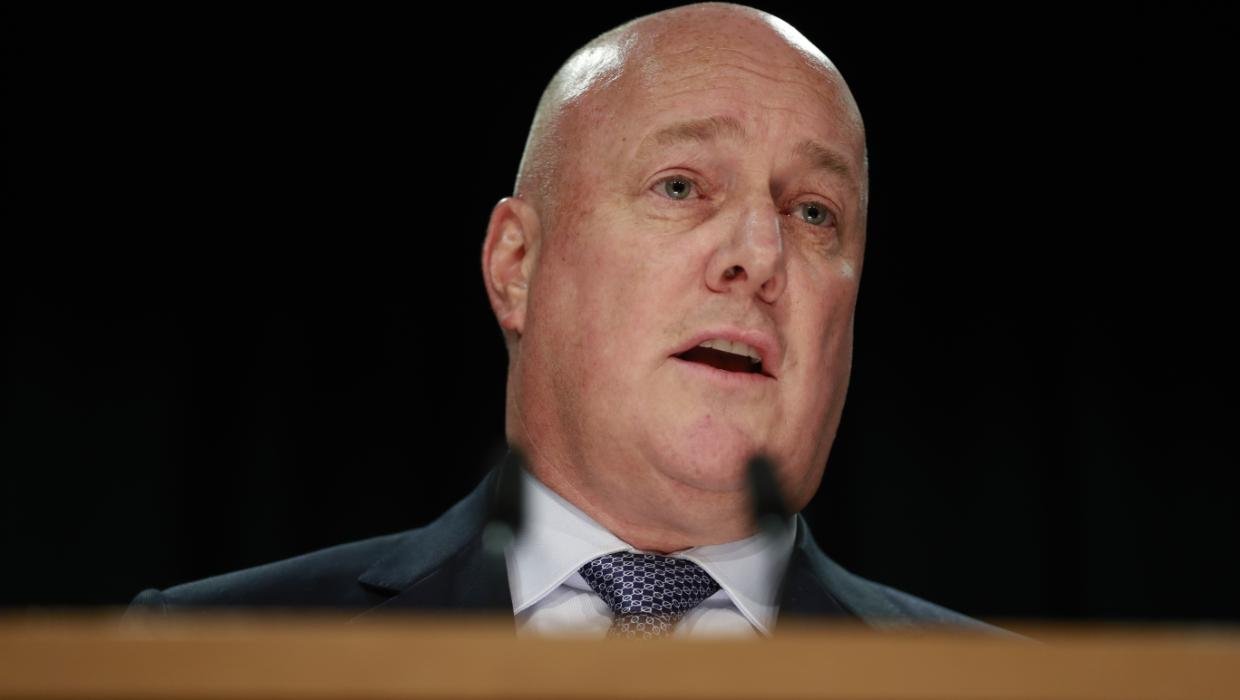
Prime Minister Christopher Luxon has come under sustained criticism after the Government’s carefully worded statement on the US and Israeli strikes on Iran prompted a public rebuke from former prime minister Helen Clark, who described New Zealand’s response as “a disgrace.”
Government position
On Sunday the Government issued a statement that acknowledged the strikes, condemned the Iranian regime’s actions and called for a resumption of negotiations — but stopped short of explicitly endorsing the US and Israeli military action. That measured wording has left questions about New Zealand’s legal and moral position on the use of force. The Press The Spinoff
Clark’s critique
Helen Clark publicly criticised the statement, arguing the initial US and Israeli strikes violated international law because there was no imminent threat to justify them, and saying the Government appeared focused on Iran’s retaliation rather than the legality of the initial attacks.
Luxon’s media appearances and the “fluffed” responses
Mr Luxon defended the Government’s stance in interviews on Newstalk ZB and RNZ Morning Report, repeatedly emphasising the brutality of the Iranian regime and saying New Zealand’s position was “the same as the Australian position.” When pressed on whether New Zealand explicitly supported the strikes, he avoided a direct yes-or-no answer and returned to criticisms of Iran’s record. Commentators and some political opponents described parts of his appearances as floundering or “fluffed,” saying he failed to set out clear legal red lines or a firm moral judgement on the strikes.
Opposition reaction
Labour leader Chris Hipkins and other opposition figures criticised the Government’s stance as insufficiently principled. Hipkins acknowledged the courage of Iranians protesting at great personal risk and condemned human rights abuses, while warning that military escalation would not bring regional stability and that civilian lives were at risk.
Analysis and what to watch
- Political fallout: The exchange between a former prime minister and the sitting prime minister has sharpened scrutiny of the Government’s foreign policy framing and its willingness to articulate a legal rationale for or against the strikes.
- Parliamentary pressure: Expect opposition questions and calls for a fuller legal assessment of the strikes and any follow-up statements from the Beehive.
- Public debate: Media commentary has focused on whether the Government’s cautious wording reflects prudent diplomacy or an avoidance of a clear ethical and legal stance.