


New Zealand faces possible petrol price rises after renewed conflict in the Middle East pushed Brent crude above US$80 a barrel.
Economists warn retail prices could climb 20–30 cents per litre in coming weeks; at US$100 a barrel, forecasts suggest petrol might exceed $3 per litre. Supply risks include damage to Gulf production facilities and disruptions through the Strait of Hormuz, while futures markets reflect next month’s oil rather than immediate domestic supply.
Industry voices stress retailers are largely price-takers in a global market and that current stocks and regulatory reserve requirements reduce the risk of short-term shortages. Government officials and central agencies are monitoring developments; the ultimate impact depends on the conflict’s duration and severity.
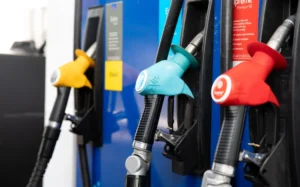
Practical effects: motorists are already seeing small regional increases; diesel averages have risen. Analysts caution predictions are uncertain because past disruptions corrected faster than expected, yet escalation could create sustained inflationary pressure.
A biblical lens: Scripture offers moral and practical guidance for such economic shocks. Stewardship calls believers to prudent planning: Proverbs urges foresight and saving for lean times. Justice and fairness demand that sellers avoid exploiting fear; Leviticus and Jesus’ teachings condemn dishonest gain and call for honest weights and measures.
Compassion for the vulnerable is central—when prices bite, communities should prioritize care for those on tight budgets, reflecting the command to love neighbors and defend the poor. Trust and wisdom are balanced: while faith counsels reliance on God’s provision, Proverbs also commends wise counsel and preparation.
Policymakers should monitor markets and protect consumers; retailers should resist opportunistic hikes; churches and charities can expand support for those affected. Individuals can practice prudent budgeting, reduce nonessential travel, and support community relief efforts.
Churches and community groups can also advocate for policy measures that cushion low-income households, such as targeted subsidies, temporary tax relief, or expanded public transport options. Collective action rooted in faith can temper economic pain and model neighbourly love.