




Summary: On the third day of the Court of Appeal hearing, an expert in solitary confinement challenged evidence that the Christchurch mosque shooter’s mental deterioration in custody rendered him unable to enter guilty pleas. The Crown called Dr James Ogloff, a clinical and forensic psychologist, to rebut earlier testimony that the prisoner’s isolation and monitoring left him effectively forced to plead guilty.
Court proceedings and purpose of hearing
The hearing continues as the convicted gunman seeks leave to vacate his March 2020 guilty pleas and to appeal his convictions for the March 15, 2019, mosque attacks. The central factual dispute is whether the conditions he endured while detained before trial so impaired his mental state that his pleas were not voluntary or informed.
Expert evidence from Dr James Ogloff
Dr James Ogloff, a distinguished professor and forensic psychologist, was called by the Crown to assess the reliability of evidence given earlier by a clinical psychologist referred to in court as Witness B. Ogloff accepted that some change in the prisoner’s mental state was recorded by clinicians who assessed him in 2019 and 2020, but he said those changes were not dramatic and did not, in his view, undermine the capacity to enter guilty pleas in March 2020.
Ogloff criticised Witness B for relying heavily on the prisoner’s retrospective accounts of his state of mind without sufficiently weighing contemporaneous clinical reports and other objective material. He also suggested the possibility that the prisoner had incentives to exaggerate symptoms given the pending appeal.
Defence account and solitary confinement arguments
Defence counsel argued that the prisoner’s harsh pretrial conditions — including prolonged isolation and intensive monitoring, with frequent searches and restrictions on communication and movement — left him with no realistic choice but to plead guilty to end his suffering. The defence painted a picture of constant surveillance and limited human contact, arguing those conditions can erode decision-making and sense of self.
Ogloff acknowledged that solitary confinement affects individuals differently and that institutional regimes vary, but emphasised the legal question is whether, at the relevant time, the impact on this individual met the threshold for incapacity to plead. He noted that some people endure long periods in isolation and continue to function, while others deteriorate quickly, so the assessment must be individualized and grounded in contemporaneous evidence.
Conflict between expert witnesses
The hearing highlighted a clear divide between Witness B, who told the court the prisoner’s condition was impaired and his ability to make informed choices was affected, and the clinicians who produced assessment reports in 2019–20, whose conclusions Ogloff read as finding only limited change. Ogloff said Witness B did not appear to have considered whether observed changes reached the legal standard for incapacity to plead.
The prisoner’s testimony and broader context
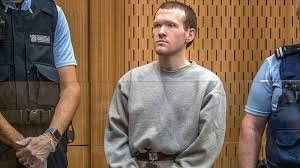
The convicted attacker gave evidence earlier in the week. He remains serving a life sentence without parole after his 2020 sentencing for the murders at Al Noor and Linwood mosques. His appeal rests on the claim that the cumulative effect of pretrial conditions — isolation, intensive monitoring, and restrictions on communication and movement — effectively coerced his change of plea.
What happened next
The Court of Appeal will weigh the competing expert views and the contemporaneous clinical records to decide whether leave to appeal should be granted. The outcome will turn on whether the court is satisfied the prisoner’s mental state at the time of the pleas fell below the legal threshold for voluntary, informed pleas.