




Editorial: Mike Bain
Last week’s plea for unity lasted exactly seven days before the churches of New Zealand were forced to show what kind of unity they actually practice: a chorus of condemnation for threats to shoot people and burn mosques and temples. Good. Necessary. Overdue. But let’s not pretend this is the whole story.
Brian Tamaki has been a lightning rod for years. I’ve agreed with him on issues that should make any nation pause and pray. I’ve also watched him choose spectacle over sobriety, and rhetoric over repentance. When a man who commands headlines becomes the only public voice claiming to speak for “biblical” values, the rest of us — pastors, elders, congregations — have to ask whether we are complicit by silence.
There have been moments when Christians could have spoken with a united, measured voice on matters of public morality and social concern. Instead, the only voice many heard was Tamaki’s. That’s not leadership; it’s monopoly. When one showman becomes the default interpreter of faith, the church’s witness narrows to his theatrics.
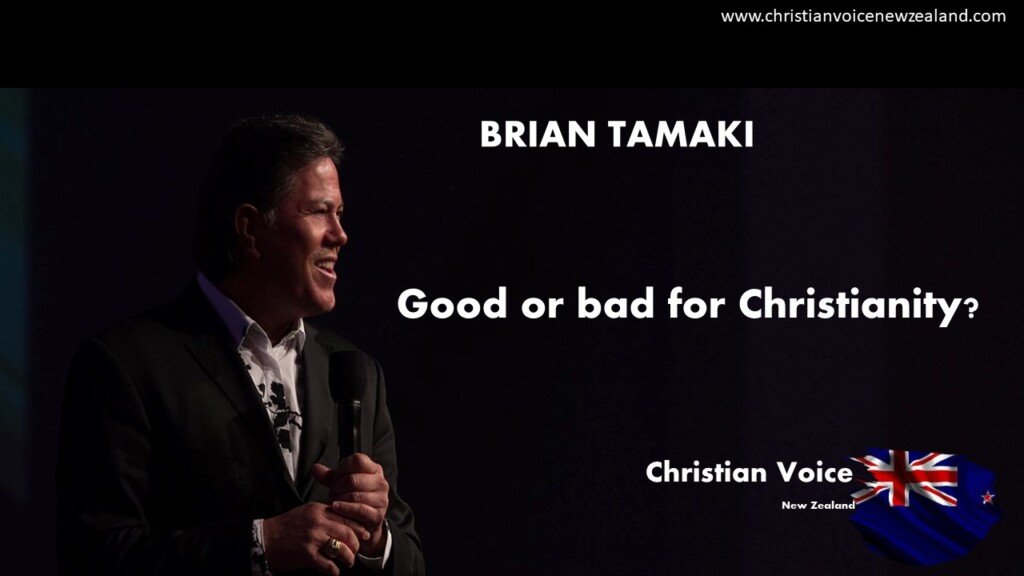
And yes, the theatrics work. Destiny Church has built belonging where the state and other institutions have failed. In South Auckland, men and women who once felt invisible now feel seen. Programs like Man Up and the women’s initiatives have helped fathers and mothers try to be better. That is real ministry. It is also why the question “Good or bad for Christianity?” refuses to be answered with a single headline.
But good fruit does not excuse dangerous methods. Threats of violence are not prophetic; they are criminal. Lighting a fire to make a point is not prophetic courage — it is arsenious spectacle. Jesus overturned tables to expose corruption; he did not incite murder. He called out religious leaders for hypocrisy and then offered a path to repentance. That path is Matthew 18: relational, courageous, communal — designed to restore, not to humiliate or inflame.
Where were the churches when keyboard warriors and comment threads turned into a cesspool of abuse? Where were the leaders who might have modelled Matthew 18 instead of tweeting moral outrage? Some of the media have painted Tamaki as a fringe figure; others have made him a target. Both responses miss the point. The question is not whether he is a headline; the question is whether his methods are shaping the public face of Christianity. If they are, we have failed to shepherd the flock.
We must be honest: the church is messy. We are a people called to call one another back. That means confronting sin privately first, then with witnesses, then with the community — not weaponising the press or the pulpit. It means restoring gently, as Paul urges, and forgiving as Jesus commands. It means refusing to let one loud voice drown out the slow, steady work of discipleship.
So, Tamaki: good or bad for Christianity? The honest answer is both. He has done good; he has done harm. He has built belonging; he has modelled brinkmanship. The real question is what the rest of us will do about it. Will we hide behind statements and hashtags, or will we practise the hard, unglamorous work of correction and restoration Jesus taught? Light fires — but not the ones that burn people or places. Light fires that warm communities, illuminate truth, and call sinners home.