



Mike Bain/cvnznews.com
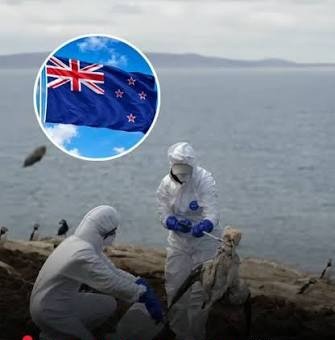
New Zealand woke up today to a headline no one wanted: H5 bird flu has officially arrived. And while the first detection is limited to a single ocean‑going seabird found on Petone Beach, the poultry industry is already bracing for what could become one of the most economically sensitive biosecurity stories of the year.
A brown skua tested positive for the globally circulating H5N1 strain — the same clade causing disruption overseas — marking the first confirmed case in New Zealand. Biosecurity Minister Andrew Hoggard says the public health risk remains low, eggs and poultry are safe to eat, and there is no sign of spread among wild birds or farmed flocks.

But the industry isn’t taking any chances. New Zealand’s poultry sector is worth billions, underpins food security, and supports thousands of jobs. Even a hint of disruption — reduced production, culling, supply chain slowdowns — could ripple through supermarkets, hospitality, and export channels. For now, the threat is theoretical. But the anxiety is real.
“This is a coastal detection in an individual seabird,” Hoggard said. “There’s no evidence of mass mortality or transmission. No detection in poultry.” MPI teams have swept Petone Beach and found no further issues.
Still, the timing is uncomfortable. Australia recently detected isolated cases in coastal birds, and global outbreaks have shown how quickly H5N1 can move when conditions allow. New Zealand’s poultry industry has already warned that even a minor incursion could strain production, raise costs, and test the resilience of supply chains.
MPI says New Zealand is prepared. Agencies have spent months building readiness plans, strengthening biosecurity protocols, and coordinating with veterinarians, wildlife carers, and industry groups. A Government Industry Agreement established the Poultry Council last year to oversee joint planning and protect the national chicken and egg supply.
DOC has also begun vaccinating 300 critically endangered native birds — including kākāpō, takahē and kakī — to shield vulnerable species should the virus spread.
For now, officials are urging vigilance, not panic. Anyone who sees three or more sick or dead birds should report it immediately to MPI’s pest and disease hotline: 0800 80 99 66.
New Zealand’s first brush with H5 bird flu may turn out to be a one‑off. Or it may be the opening chapter of a biosecurity challenge with economic consequences. The next few weeks will tell us which way the wind is blowing.