



Mike Bain/cvnznews.com
Hawke’s Bay got a rare win this week — the kind that reminds New Zealanders the health system can still move forward, even while the pressure on ambulances is hitting breaking‑point levels nationwide.
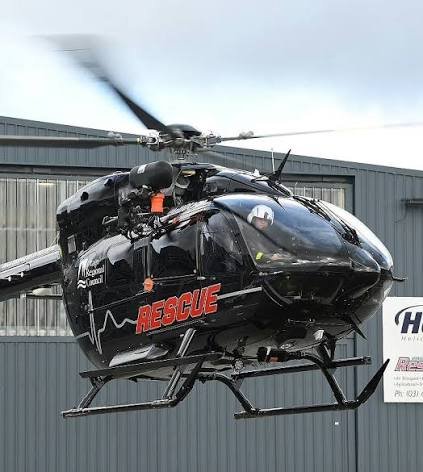
Associate Health Minister Casey Costello announced the arrival of a new Airbus H145 D3 emergency helicopter for the region, part of a major upgrade to what was, until recently, the oldest air‑ambulance fleet in the developed world. It’s the eighth new or near‑new aircraft rolled out since early 2024, with more coming across the North Island and Christchurch by mid‑next year.
On paper, it’s a technical upgrade: better automation, stronger performance in rough conditions, safer operations, and improved patient‑care capability. In reality, it’s a lifeline — especially for rural communities who rely on air ambulances when road crews are stretched thin or simply too far away.
And right now, stretched thin is an understatement.
Ambulance demand has surged across the country, driven by winter illness spikes, population growth, and the long tail of hospital overcrowding. Paramedics are reporting record callouts. Response times are blowing out. Some regions are seeing double‑digit increases in urgent cases compared to last year. The pressure is real, and it’s not abstract — it’s felt in every delayed pickup, every exhausted crew, every family waiting longer than they should.
That’s why this helicopter upgrade matters. It’s not a shiny announcement or a ribbon‑cutting exercise. It’s a practical reinforcement at a moment when frontline services are under relentless strain. A modern fleet means fewer breakdowns, fewer weather‑related cancellations, faster transfers, and safer flights for critically ill patients who simply cannot wait.
Costello framed the investment as part of a wider plan to rebuild capability: $27.3 million across 2024–25 to replace ageing aircraft with 16 new machines. It’s overdue, but it’s welcome — and it’s one of the few health stories this month that doesn’t involve crisis language.
New Zealand’s ambulance crews are doing heroic work under immense pressure. Upgrading the air‑ambulance fleet won’t solve every problem, but it does strengthen one of the most vital links in the emergency‑care chain.
Finally, some decent news — and a reminder that fixing the basics starts with giving frontline workers the tools they need to save lives.

“https://magic.beehiiv.com/v1/0a3fec8a-5cd0-49dc-bd54-1abf67a15d95?email={{email}}”