Mike Bain/cvnznews.com
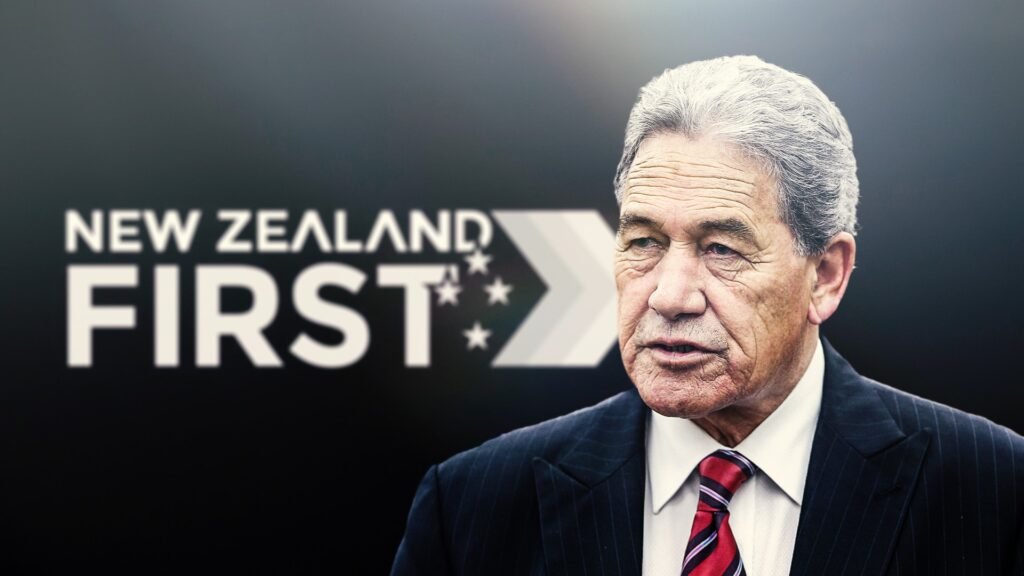
New Zealand First leader Winston Peters has delivered a wide‑ranging election speech casting his party as the only reliable defender of superannuation and the interests of older New Zealanders. Speaking on August 28, Peters told supporters the coming election would be “pivotal for the direction of our country” and argued that experience, not experimentation, was needed in government.
Peters reiterated that NZ First would not support raising the superannuation age, means‑testing, or any changes to eligibility. “New Zealand First does not support changes to the entitlement or eligibility of New Zealand Superannuation,” he said, adding that claims superannuation was unaffordable were politically motivated.
He highlighted the party’s historic role in repealing the super surtax, legislating the 66% wage link, and introducing the SuperGold Card. Peters said NZ First had “worked hard for our elderly,” citing free flu vaccines, expanded elective surgery funding, and transport concessions.
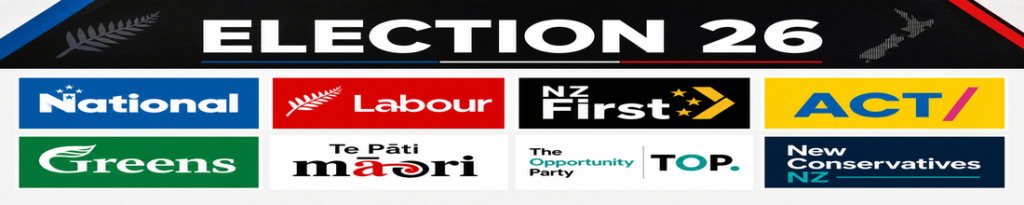
The speech also attacked proposals from other parties, particularly The Opportunity Party’s land‑tax‑funded Universal Basic Income model. Peters argued the policy would impose a $20,000 annual tax on senior homeowners and replace superannuation entirely. “Universal Basic Income won’t even come close to what you need to live,” he said.
Peters framed NZ First as the only party focused on growing national earnings rather than “managing decline,” saying others lacked credible economic plans. He warned that without stronger economic strategy, future governments would resort to asset sales and cuts to retirement income.
The speech also outlined several NZ First policy priorities, including a $100 billion infrastructure future fund, compulsory KiwiSaver with a $1000 birth payment, breaking up gentailers to reduce power prices, buying back BNZ, and restricting voting rights to citizens by 2029.
Peters closed by urging supporters to back NZ First as a stabilising force in government. “We constantly punch well above our weight… Imagine what we could do if we had more,” he said, calling for a return to “traditional New Zealand values” and a renewed national direction.