



Colin Ambler/cvnznews.com
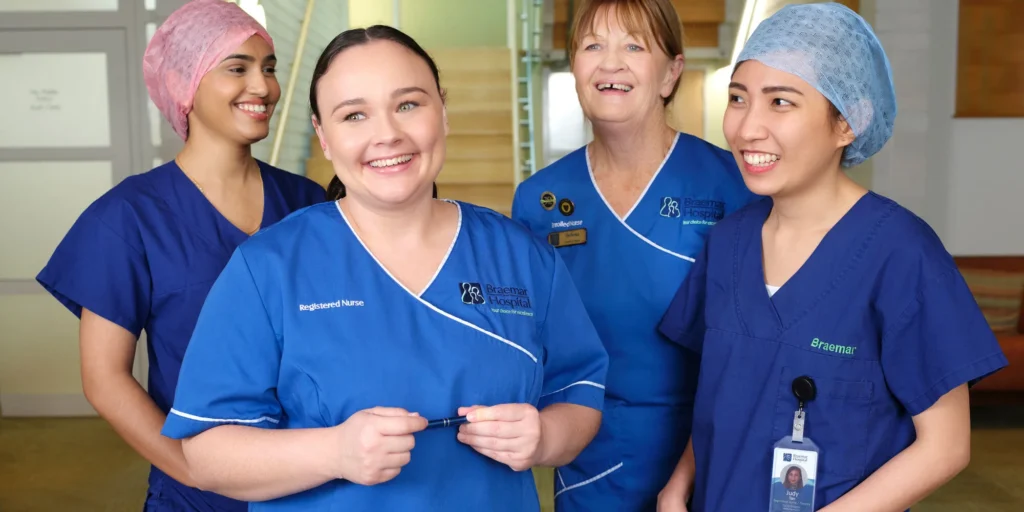
Labour has unveiled a major election pledge to guarantee every New Zealand‑trained graduate nurse a job in the public health system — a move the country’s largest nursing union says could help stop graduates leaving the profession and the country.
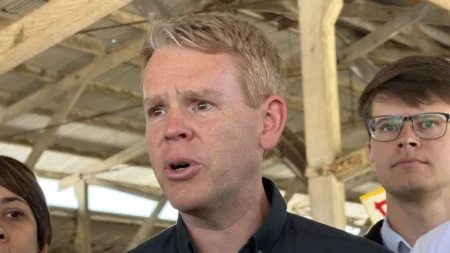
Labour leader Chris Hipkins announced the policy on Saturday, saying the health workforce is in crisis and accusing the Government of failing to hire enough nurses to meet demand. “Just 54 nurses have been hired in the last two years while patients and staff are paying the price every day,” Hipkins said. “Graduate nurses are being trained here, but instead of starting their careers in New Zealand, too many are being forced to look overseas because National won’t give them a job.”
Health spokesperson Dr Ayesha Verrall said the guarantee would give graduates certainty and help stabilise staffing levels across hospitals and primary care. Labour also plans to double recruitment subsidies: rural nurses would receive $40,000, up from $20,000, and urban nurses $30,000, up from $15,000.
The New Zealand Nurses Organisation (NZNO) says the policy could significantly strengthen the workforce pipeline. National student vice‑chair Dawn Blyth said up to 90% of graduates traditionally enter hospital roles, but recent shortages have left many without offers. “It is soul‑destroying for

nursing graduates to study for three years and then not get a job,” she said. A 2025 NZNO survey found more than 61% of nursing students were considering moving overseas if they could not secure a position in New Zealand.
Outgoing NZNO student chair Poihaere Whare said guaranteed hiring would help build a sustainable workforce — but warned primary care must be properly funded. Only 250 of the 400 graduate places available in primary care were filled last year, largely because clinics lacked capacity to mentor new nurses. Pay disparities also remain a major barrier, with primary care nurses earning around 11% less than their hospital counterparts.
“If Labour is serious about fixing the health system, it must fund primary care sufficiently so all nurses can receive pay parity with Te Whatu Ora,” Whare said.