

Colin Ambler/cvnznews.com
Labour has been rocked by a brutal new TPU‑Curia poll placing the party at 25.9 percent, its worst showing in this series since mid‑2024 and well below its 2023 election result. The number was so stark it immediately triggered murmurs—inside and outside the party—about Labour’s entire campaign strategy and whether Chris Hipkins’ leadership style is cutting through just eight weeks from polling day.
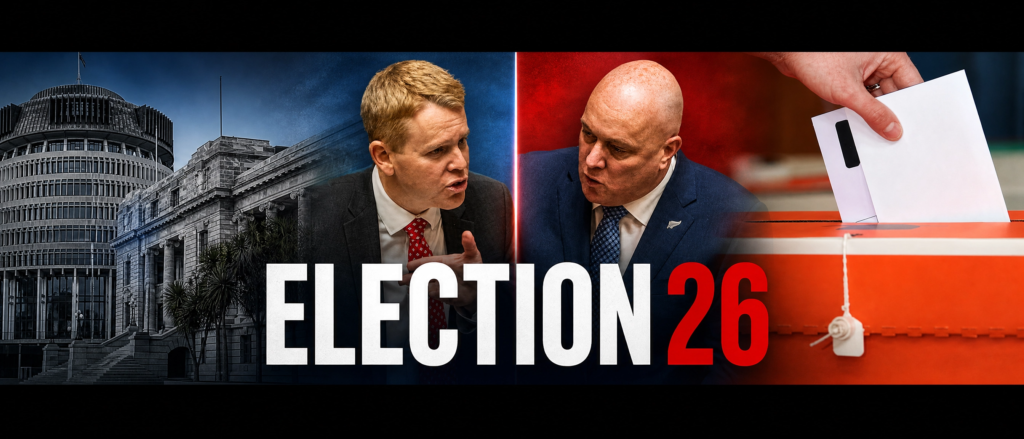
Both major parties fell, with National sliding to 29 percent, but Labour’s collapse dominated the political conversation. The result has flipped the pressure dynamic: after months of scrutiny over Christopher Luxon’s leadership stumbles and caucus confidence votes, it is now Hipkins who finds himself under the harshest spotlight.
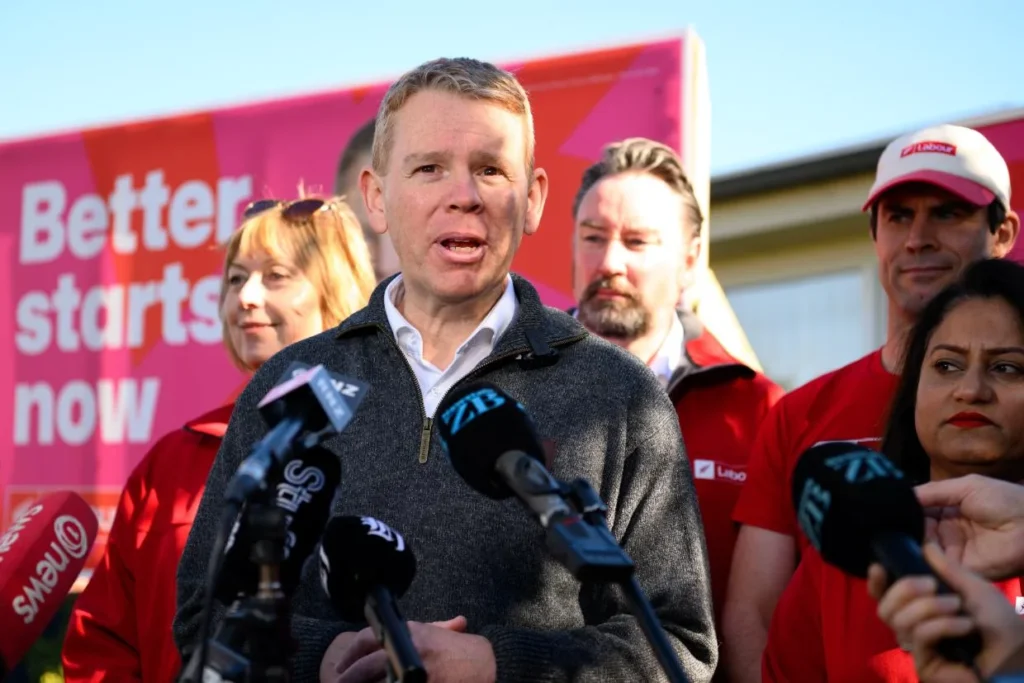
Hipkins insists he is not panicking. Appearing at Auckland’s EDS climate and business summit, he dismissed the poll as an outlier and said Labour’s internal numbers differ. But even Labour’s own data—referenced by frontbencher Willie Jackson at around 30 percent—suggests a downward drift from the mid‑30s range the party had long hinted at. Whether the true figure is 30 or 25.9, the trend line is unmistakably heading south.

The Labour leader signalled a strategic shift, acknowledging the party has spent too long in a defensive crouch. He says Labour will now move from “oppositional” mode to outlining what it will do, not just what it won’t. Hipkins emphasised cost‑of‑living pressures, unemployment, and the health system crisis as Labour’s core campaign priorities.
Still, the poll’s implications linger. Hipkins and Luxon both sit in negative territory on job approval ratings, and their combined party support totals just 55 percent, leaving an unusually large share of voters parked with minor parties. It raises uncomfortable questions about whether Labour has waited too long to define its 2026 offering—and whether voters know what the party stands for.
Hipkins maintains Labour will present a clearer, future‑focused plan. But with the clock ticking and the numbers sliding, Labour’s challenge is no longer theoretical. It is urgent, public, and now impossible to ignore.