



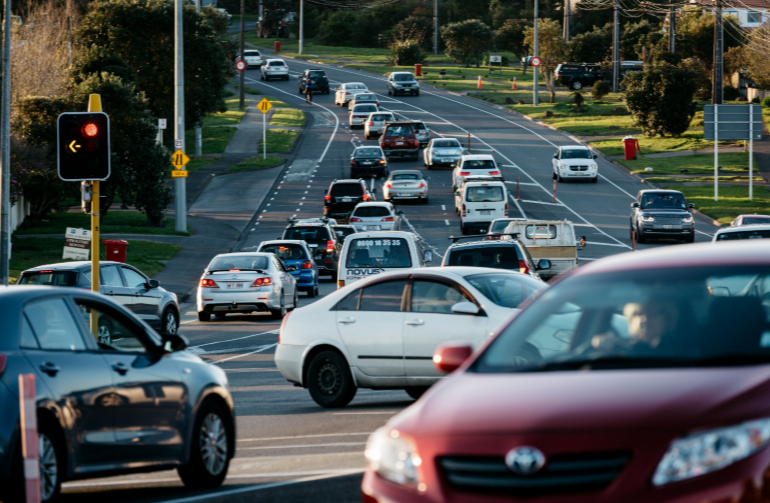
Dave Kavermann/Car Expert NZ
New Zealand drivers, cyclists and e-scooter riders will face several changes to the road rules from today, with new requirements covering overtaking, bus stops and where certain road users can travel.
The changes form part of the Government’s Land Transport Rules Reform Programme and follow a public consultation that attracted feedback from more than 6000 individuals and organisations.
The Government says the changes are intended to make the rules clearer and better reflect how New Zealanders use roads and footpaths.
One of the biggest changes for drivers will be a new mandatory 1.5-metre passing gap when overtaking cyclists, horse riders and other road users.
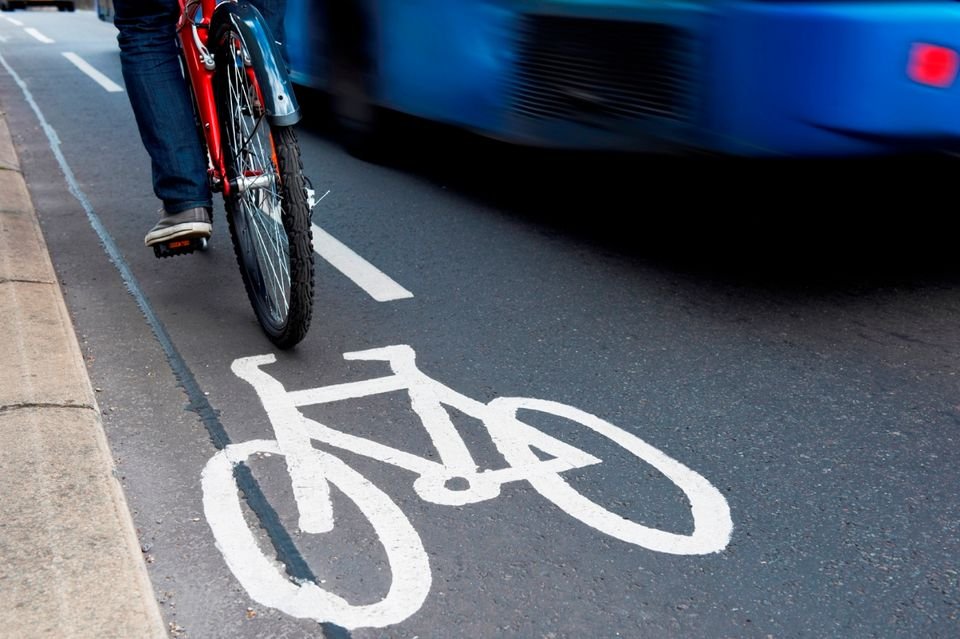
Rather than having different minimum distances depending on the circumstances, drivers will have to leave at least 1.5 metres when passing.
The Government says the simplified rule follows feedback received during consultation.
Another change will affect families riding bikes. From October 1, children aged 12 and under will be legally allowed to ride on footpaths, while parents, caregivers, teachers and older siblings will also be permitted to ride alongside them.
The Government had initially proposed allowing children to use footpaths, but feedback highlighted that requiring an accompanying adult to ride on the road could undermine the safety benefits.
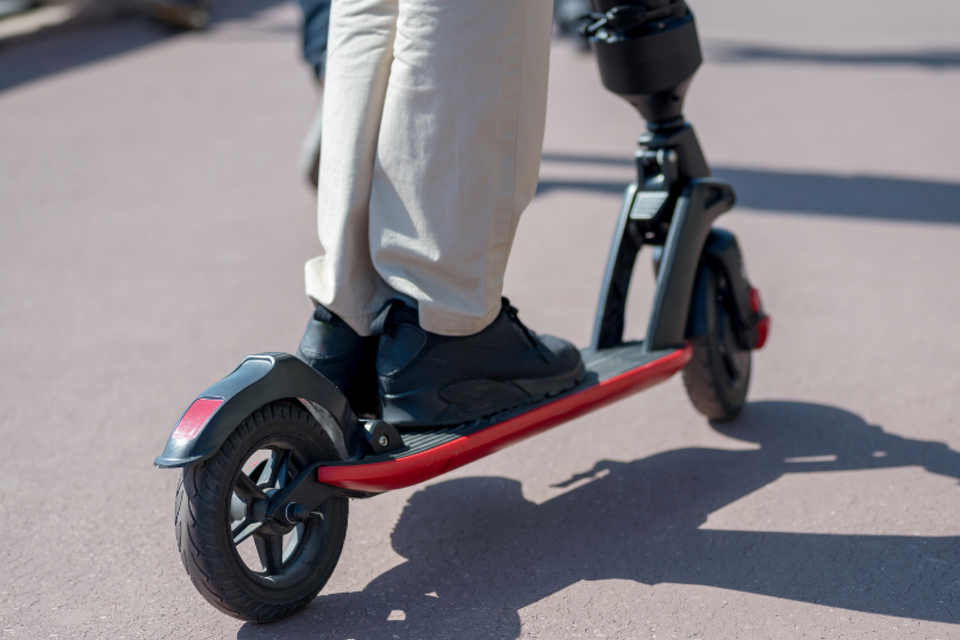
The revised rule therefore allows an older rider to accompany a child on the footpath. E-scooter users will also gain access to cycle lanes, with the Government formally allowing e-scooters to be ridden in them.
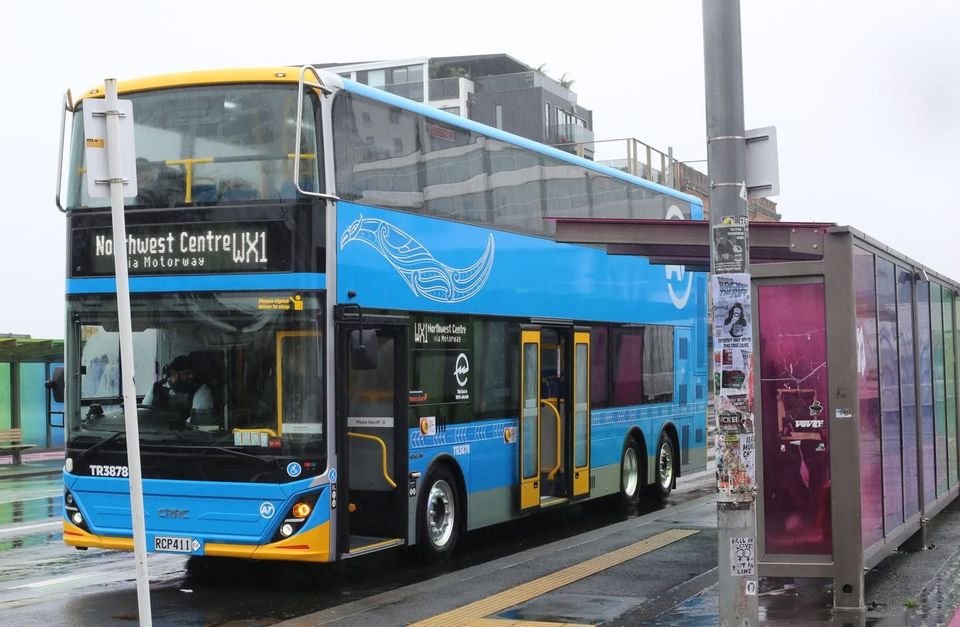
Meanwhile, drivers will have a new give-way requirement around buses.
Road users will have to give way to buses pulling out from bus stops on roads with speed limits of 60km/h or less.
The package also includes sebveral minor and technical changes covering traffic control devices, including road signs, signals and markings.
Not every proposed change made it through the consultation process, however.
A proposal to clarify rules and signage around parking on berms received mixed feedback and relatively low support. Transport Minister Chris Bishop subsequently decided not to proceed with the change.
The Government consulted on five proposed changes between February 25 and March 25, 2026, with the final package adjusted following feedback from road users, councils and advocacy groups.
The new rules are expected to take effect on October 1, 2026, following the necessary Orders in Council.
The changes are part of the Government’s Land Transport Rules Reform programme, which will also open the door for the introduction of digital drivers licences and universal road-user charges for all light passenger vehicles.