


Colin Ambler/cvnznews.com
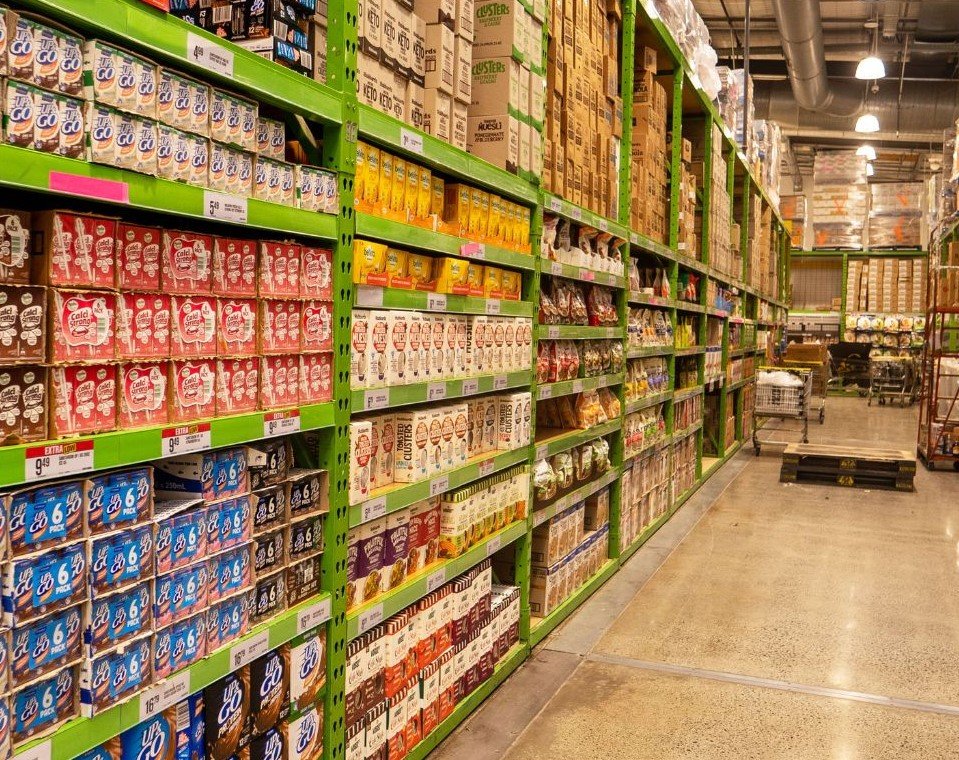
National has announced a proposal to break up Foodstuffs — the cooperative behind New World, PAK’nSAVE and Four Square — in a bid to boost supermarket competition and deliver cheaper groceries for Kiwi households. The plan would rely on an independent Commerce Commission assessment and would only proceed if regulators conclude it would leave consumers better off.
The proposal comes as supermarket competition remains a long‑running concern. Foodstuffs North Island, Foodstuffs South Island and Woolworths currently control around 82 per cent of the grocery market, leaving shoppers with limited choice and little pricing pressure.
National’s Finance and Economic Growth spokesperson Nicola Willis says the current structure means New Zealanders “are paying more than they should”, and that separating Foodstuffs into two nationwide chains could force supermarkets to “fight harder for every customer”.
Under the model National wants tested, New World and Four Square would form one nationwide chain, while PAK’nSAVE would operate as another. Alongside Woolworths, this would create three major competitors instead of two.
The Commerce Commission would be tasked with developing a detailed implementation plan and assessing whether the separation would deliver net benefits. National says it would amend the Grocery Industry Competition Act within its first 100 days in government to enable the Commission to carry out the work, with a six‑month deadline for a recommendation.

Independent analysis cited by National suggests the restructuring could save households anywhere from $200 to $1,320 a year once fully implemented, depending on income and family size. Longer‑term modelling points to potential consumer benefits of $12.6 billion over 20 years, with grocery prices projected to fall between 3.5 and 5 per cent compared to current trends.
Willis emphasises that owner‑operators would not be forced to sell or rebrand their stores. Existing PAK’nSAVE, New World and Four Square owners would remain in place, operating under their current brands but within newly separated structures.
National says the proposal carries risks and must be tested independently, arguing that politicians should not “play supermarket executive” or attempt to run a taxpayer‑funded chain. The party says the Commission is best placed to determine whether the benefits outweigh the costs.
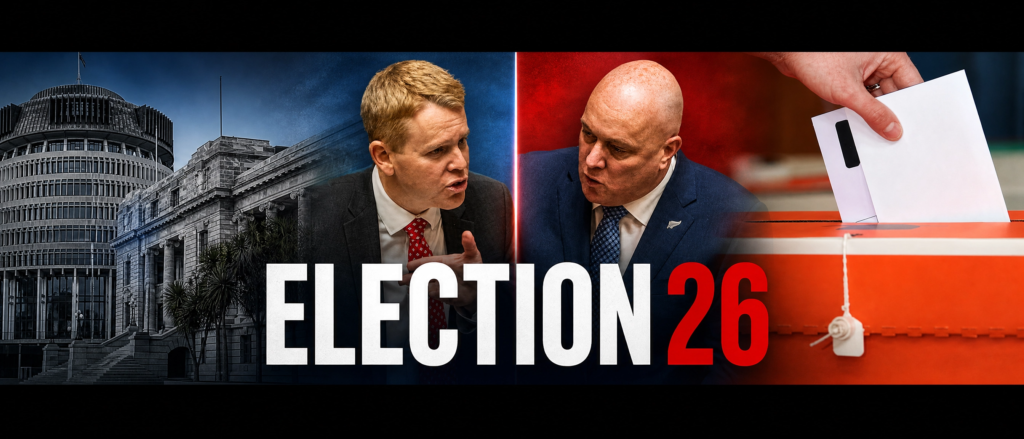
The announcement follows recent debate over supermarket competition, including calls from other political parties for more radical interventions. With grocery prices remaining a pressure point for households, supermarket reform is likely to remain a hot topic heading into the election period.