


Colin Ambler/cvnznews.com
The Conservative Party has entered New Zealand’s increasingly heated energy debate with a policy platform arguing that affordable and reliable electricity, not renewable targets, should be the country’s primary focus.
Party leader Helen Houghton says New Zealand’s economic future depends on secure “base-load” electricity generation and warns that solar and wind power alone cannot provide the reliability needed to support economic growth, industry and a growing population.
“No nation has achieved sustained economic growth without dependable electricity,” the party argues, pointing to the intermittent nature of wind and solar generation and the challenge of meeting power demand during peak evening periods.
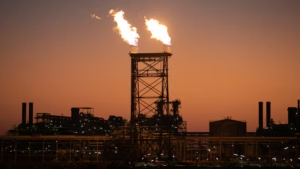
At the centre of the Conservative policy is a push for more geothermal generation, expanded gas-fired power generation once domestic gas supplies are established, and the development of so-called “clean coal” generation.
The party is also calling for significant reforms to the electricity market, criticising the wholesale pricing model that allows all generators to receive the price set by the most expensive generator operating at a given time.
Under its proposal, generators and retailers would be more clearly separated, which Conservatives say would increase competition and reduce costs for household consumers.
Sharp Divide Emerging Between Parties
The policy highlights a growing divide among political parties over how New Zealand should secure future electricity supplies while keeping power affordable.
While the Conservatives are advocating a diversified energy mix that includes fossil fuels, Labour and the Greens are moving in the opposite direction, promoting greater investment in renewable generation, solar power and electrification.
Labour’s election energy platform focuses heavily on expanding household and community solar generation through its SolarSaver programme, offering low-interest finance, targeted subsidies and community battery investments. The party has also promoted greater electrification of businesses and continued support for renewable generation.

The Green Party has gone even further, proposing the creation of a publicly owned electricity company called Kiwipower, alongside major investment in renewable generation, community-owned energy projects, solar installations and battery storage. Green co-leader Chlöe Swarbrick has argued New Zealand can lower power bills while accelerating the transition away from fossil fuels.
National has taken a more market-focused approach. The party recently unveiled a nine-point electricity plan aimed at boosting competition, reducing power bills, making it easier for households to connect solar systems, and addressing New Zealand’s long-standing “dry year” electricity supply problem. National also wants major electricity users such as new data centres to provide firm generation capacity alongside their developments.
ACT has likewise emphasised energy affordability and reliability but favours a less interventionist approach. The party supports market-led energy investment, has advocated reversing restrictions on oil and gas exploration, and supports increased gas availability as part of New Zealand’s energy security mix. ACT has also argued for fewer barriers to new generation projects and greater competition within the energy sector.
New Zealand First is also backing expanded domestic oil and gas development and has proposed separating electricity generators from retailers, reflecting concerns shared by several parties about competition in the power market.
The Question Every Party Must Answer
Behind the competing policies lies the same challenge.
Electricity demand is expected to grow as transport electrifies, new homes are built and industries increasingly switch from fossil fuels to electricity. At the same time, New Zealand remains vulnerable during dry years when hydro lake levels fall and generation capacity comes under pressure.
The Conservatives argue the answer lies in expanding reliable base-load generation through geothermal, gas and coal. Labour and the Greens believe renewable generation, solar, batteries and greater electrification provide the path forward. National and ACT are focusing on competition, investment incentives and market reforms to deliver additional supply.
Voters now face a clear choice between sharply different visions for New Zealand’s energy future. The question heading into Election Day is not whether New Zealand needs more electricity, but where that electricity should come from and who should pay for it.