


Colin Ambler/cvnznews.com
The Politics of Accusation: When Everyone Thinks the Other Side Is Cheating
If election night revealed anything, it wasn’t simply how divided New Zealand’s voters have become. It revealed how quickly political parties have begun questioning the legitimacy, motives and tactics of their opponents.
The result has been a week of extraordinary accusations, conspiracy theories, denials and finger-pointing that raise an uncomfortable question: has New Zealand politics become more interested in blaming than persuading?
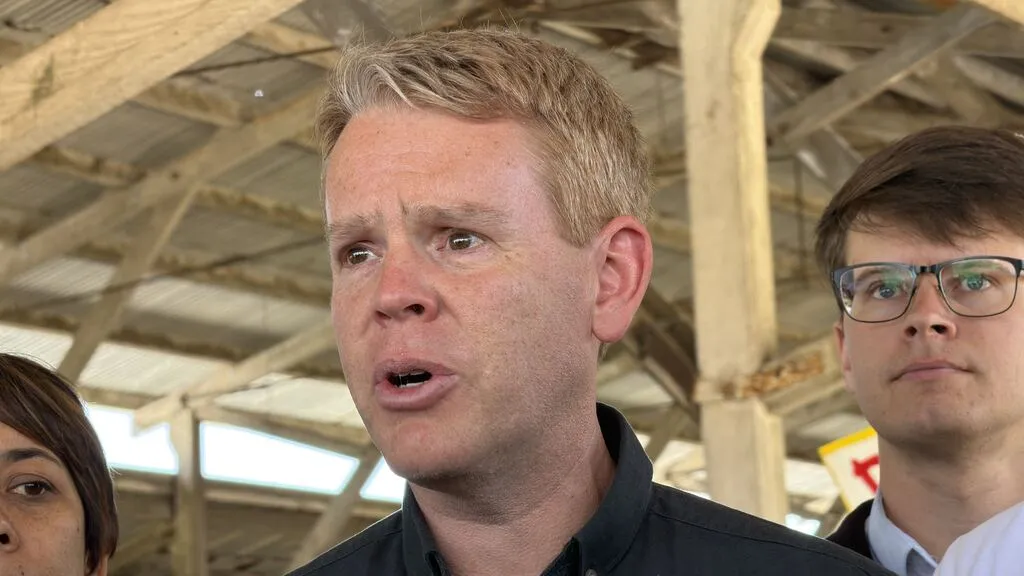
Take Labour leader Chris Hipkins’ accusation that National manipulated the electoral system through strategic voting arrangements that helped create Parliament’s overhang situation. National, in turn, rejected the claim and pointed fingers elsewhere, arguing that other parties and interest groups had distorted the outcome through their own campaigning tactics.
The irony is that split voting is hardly a new phenomenon under MMP. Voters have been strategically using their party vote and electorate vote differently for decades. Suddenly treating it as some dark threat to democracy feels less like constitutional concern and more like election disappointment.
Then there was the remarkable comment attributed to former National candidate Vanessa Weenink, who reportedly suggested many of her constituents “hate” the National Party and warned about the risks of the party moving further to the right following the departure of what she described as “woke liberal squishy centrists.”
Whatever one’s political views, the statement exposed a tension increasingly evident within centre-right politics. Is National a traditional broad church designed to attract middle New Zealand, or is it becoming something different? The debate itself may be legitimate. Conducting it publicly, immediately after a bruising election result, is another matter.
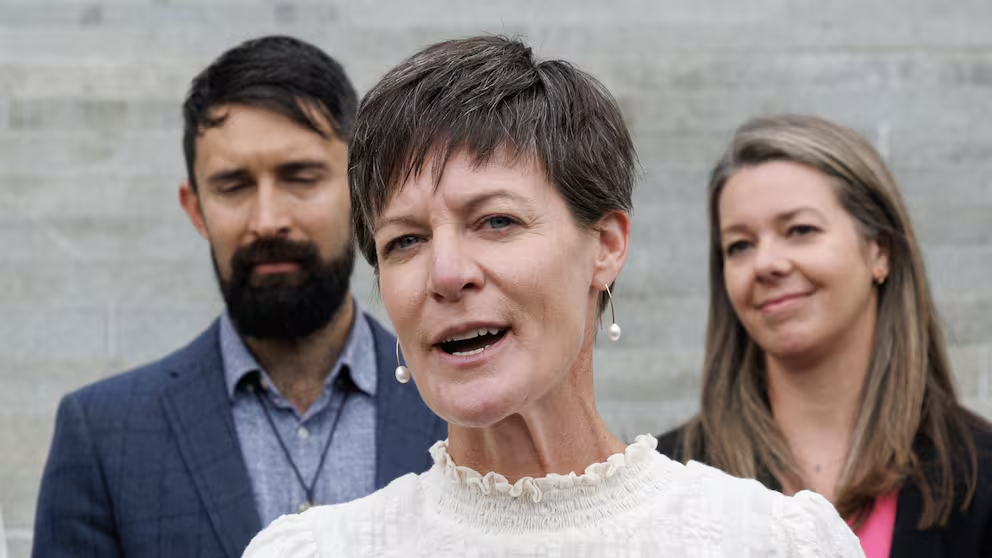
Meanwhile, the newly successful Opportunity Party has found itself under scrutiny over questions of transparency. One of its candidates Jodie Kuntzsch reportedly declined to answer repeated questions about previous political affiliations despite campaigning heavily on openness and accountability.
That may seem a minor issue, but voters are entitled to expect politicians who champion transparency to practice it.
None of these incidents, in isolation, are particularly earth-shattering.
Together, however, they paint a picture of a political culture increasingly obsessed with the motives of opponents while becoming less interested in examining its own shortcomings.
The election has produced winners, losers, confusion and uncertainty.
What it has not produced is much humility.
Perhaps the real lesson of 2026 is that New Zealand politics has become trapped in a cycle where every defeat must be explained, every result challenged, and every opponent’s success viewed with suspicion.
That may be good politics.
Whether it is good democracy is another question entirely.