

Colin Ambler/cvnznews.com
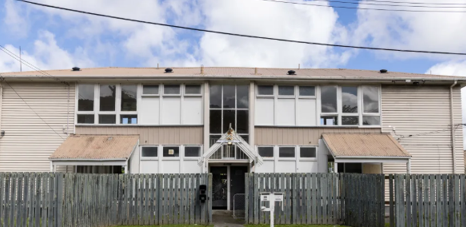
Housing advocates and church leaders are planning a protest after Kāinga Ora placed an entire cluster of public housing properties in Lower Hutt on the market, with real estate listings promoting opportunities for developers, investors and land bankers.
The Manderson Grove site, which contains about 80 bedrooms across multiple properties, is being offered for sale with tenders closing on December 8.
The proposed sale follows controversy over the recent disposal of public housing properties in Nuku Street, Strathmore, which also attracted opposition from housing campaigners.
Critics argue that public housing land should remain in public ownership, particularly as demand for social housing remains high.
Is it to rebuild houses in Lower Hutt or is it somewhere else?
Michelle Ducat
According to the Ministry of Social Development’s Housing Register, 339 households were waiting for public housing in Lower Hutt as of September.
Lower Hutt Anglican priest Alison Robinson said St David’s Church regularly sees the effects of housing insecurity in the community.
“Over the years, we’ve supported people, seen people, we’ve had people who are sleeping on the street,” Robinson said.
“There is without a doubt a big housing need.”
She said the proposed sale was particularly concerning given the ongoing demand for social housing.
“We want the wait list for public housing to be taken seriously,” she said.
“Once the land is gone, it’s gone. We want to see public land kept for public homes.”
Michelle Ducat, spokesperson for Hutt Valley Public Housing Futures, questioned whether the sales would genuinely increase the supply of social housing.
“Is it to rebuild houses in Lower Hutt or is it somewhere else? And does it mean that we’re increasing the base level of housing overall?” she asked.
Ducat was also critical of marketing material highlighting opportunities for land banking.
“It’s asking for speculators to see if they can make a big profit off public land. It seems wrong when people are in housing need,” she said.
What Is Land Banking?
The Manderson Grove listings, marketed by Bayleys, promote development, investment and land-banking opportunities.
Property investor Steve Goodey said traditional land banking involves purchasing property and holding it for years, often with minimal improvements, while waiting for rising land values or future development opportunities.
However, he said the practice was less common today because most developers sought faster returns.
New Zealand Initiative chief economist Eric Crampton said land banking had historically been associated with owners benefiting from infrastructure upgrades that increased land values.
However, he argued that concern did not apply to Manderson Grove and suggested redevelopment of the site could potentially add substantially more housing than currently exists there.
Kāinga Ora Defends Sale
Kāinga Ora says the properties are no longer fit for purpose and form part of a nationwide programme to modernise its housing portfolio.
The Manderson Grove site, which contains about 80 bedrooms across multiple properties,
Regional Director Sarah Willson said proceeds from the sales would be reinvested into new social housing within the Greater Wellington region.
A Kāinga Ora spokesperson said achieving the best possible sale price was important because the funds would be used to build replacement housing.
“We want to get the best price for the properties as the proceeds will be reinvested into new social housing,” the spokesperson said.
The dispute highlights an increasingly contentious question facing housing agencies: whether ageing public housing stock should be retained because of chronic demand, or sold to fund newer, higher-density developments intended to provide more homes in the long term.