



Mike Bain/cvnznews.com

Peters Says Some Abortions ‘Shade Into Murder’ as New Conservatives Push Unborn Rights Plan
Luxon says the law is settled. His allies and opponents aren’t so sure.
Just when most New Zealanders thought the abortion debate had been settled, it has exploded back into the election campaign.
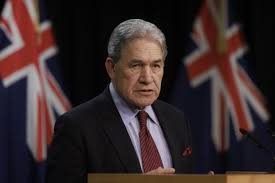
At the centre of the storm is Winston Peters, who has reignited one of the country’s most divisive social issues by declaring that some late-term abortions can “shade into a thing called murder.” Meanwhile, the New Conservatives have unveiled a policy that would give legal recognition to unborn children from 28 weeks gestation, reopening questions many politicians believed had been put to bed.
The timing is significant.
New Zealand already has one of the most liberal abortion regimes in the Western world. Since the passage of the Abortion Legislation Act in 2020, abortion has been available on request up to 20 weeks, with later abortions permitted under clinical assessment.
For advocates of abortion rights, the matter is settled.
For others, particularly those concerned about late-term abortions, it is anything but.

The New Conservatives have now entered the debate with a proposal that would recognise unborn children in the third trimester as distinct human lives entitled to legal protection. The party says the policy would not criminalise women but would strengthen protections for viable unborn children while expanding financial, housing and counselling support for expectant mothers facing crisis pregnancies.
Their argument is simple: if a baby can potentially survive outside the womb, should the law recognise that child as having rights of its own?
It is a question that many politicians have avoided for years.
Not Winston Peters.
His comments have sent shockwaves through the campaign and prompted an immediate rebuke from

Prime Minister Christopher Luxon, who has repeatedly ruled out any change to abortion law. In one of the strongest commitments ever made by a New Zealand politician on the issue, Luxon previously stated he would resign as Prime Minister if abortion access became more restrictive under a government he led.
Yet despite Luxon’s assurances, the debate is clearly not dead.
Behind the headlines lies a deeper question: when does human life deserve legal protection?
For some New Zealanders, the answer is conception.
For others, birth.
For many, viability outside the womb.
As election season heats up, one thing is becoming clear: abortion has returned from the political graveyard, and this time the battle is focused on the unborn child in the final weeks of pregnancy.