

Mike Bain/cvnznews.com
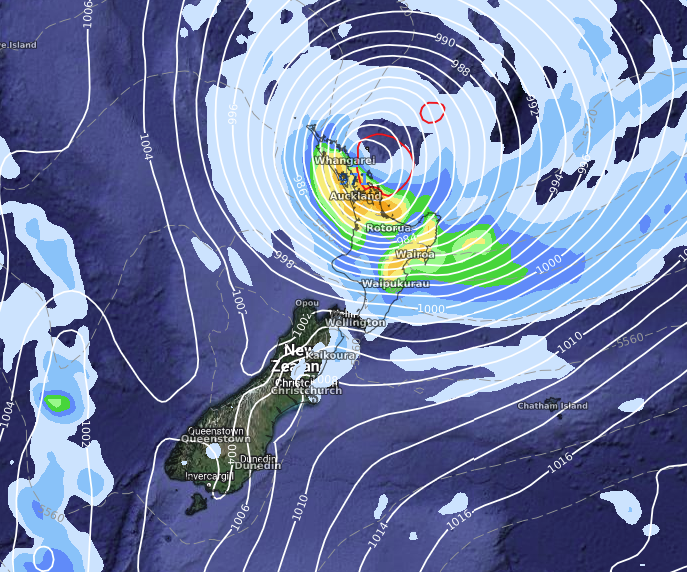
Cyclone Gabrielle. The Auckland floods. The Kaikōura earthquake.
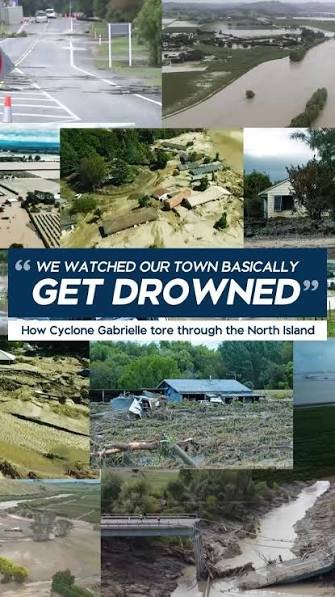
New Zealanders don’t need to imagine what happens when critical infrastructure fails. We’ve seen roads washed away, communities isolated, power cut, communications disrupted, and families left wondering when help will arrive.
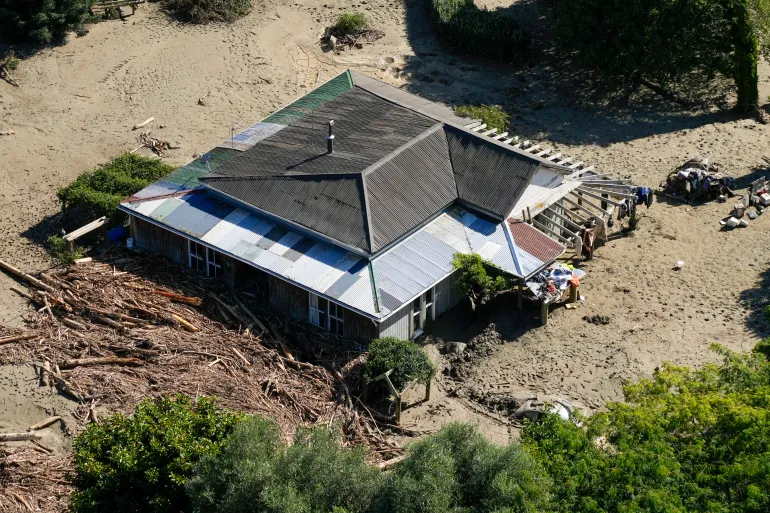
In Cyclone Gabrielle’s aftermath, entire communities found themselves cut off from the outside world. Mobile networks failed. Internet access disappeared. Fuel, food and essential supplies became harder to access. For many Kiwis, it was a stark reminder of how quickly modern conveniences can vanish.
We assume the lights will come on when we flick a switch. We expect our phones to connect, our EFTPOS cards to work and information to be available instantly.
Yet New Zealand sits astride major fault lines. Severe weather events continue to test our resilience. Cyberattacks and infrastructure failures are now part of the risk landscape every developed nation faces.
Civil Defence regularly urges households to prepare for emergencies. Councils review response plans. Communities are encouraged to maintain supplies and communication strategies.
These preparations are not alarmist.
They’re prudent.
No one knows when the next major emergency will arrive. But everyone knows another one eventually will.
The more important question is whether Christians are preparing too.
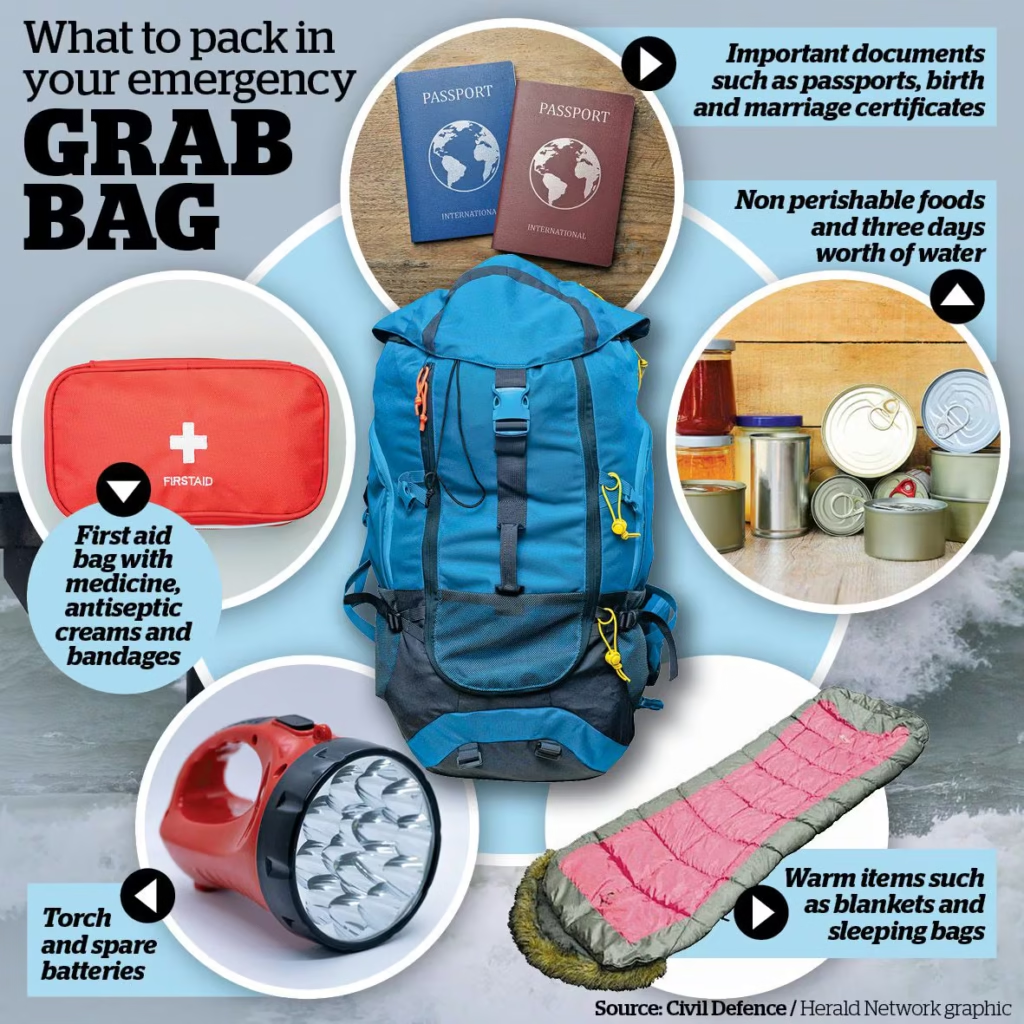
Not just with bottled water, torches and tinned food, but with the spiritual resilience needed when certainty disappears.
Imagine the power remains out for days.
Phone batteries die.
Internet access becomes patchy or disappears altogether.
Supermarket shelves begin to empty.
Rumours spread faster than facts.
Fear starts creeping into neighbourhood conversations.
What will distinguish the Church in that moment?
Will Christians be swept along by the same anxiety gripping everyone else?
Or will they demonstrate something different?
The prophet Habakkuk faced the prospect of economic collapse and agricultural devastation. Yet he declared:
“Though the fig tree does not bud and there are no grapes on the vines, though the olive crop fails and the fields produce no food… yet I will rejoice in the Lord, I will be joyful in God my Saviour.”
His confidence wasn’t rooted in circumstances.
It was rooted in God.
That kind of faith isn’t developed in the middle of a crisis.
It is built long before the crisis arrives.
Churches should be asking practical questions now.
How would we check on elderly members if communications failed?
Who would support vulnerable families?
Could our buildings become centres of help, prayer and encouragement?
Do we know who in our communities would need assistance first?
Would we be ready to share what we have with those who have little?
Throughout history, some of the Church’s finest moments have come during society’s darkest hours. Christians cared for plague victims when others fled. They fed families during hardship. They brought hope when fear threatened to dominate entire communities.
The next emergency may be a cyclone. It may be an earthquake. It may be a major infrastructure failure no one sees coming.
Its form matters less than our response.
When the next emergency comes, will the Church simply be another affected institution struggling alongside everyone else?
Or will it be what Christ called it to be?
A light in darkness.
A refuge for the fearful.
A helping hand for the vulnerable.
A voice of hope when answers are scarce.
Governments can prepare emergency plans. Households can store supplies. Communities can strengthen their resilience.
But only the Church can offer the hope that remains when every other security has been shaken.
The real question is not whether the next emergency will come.
The real question is whether, when it does, New Zealand will find a Church ready to serve, ready to sacrifice and ready to shine.