



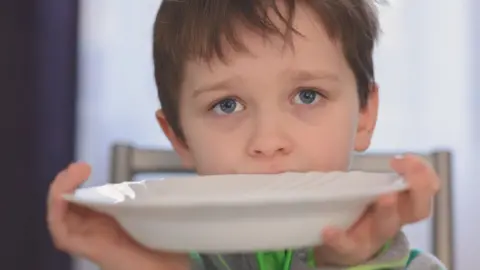
The latest child poverty figures show a worrying stability rather than improvement: about one in seven children are living in material hardship. Political parties have responded sharply, but the tone of the debate is increasingly focused on practical steps to reduce hardship and support whānau.
Labour’s statement highlights the human cost behind the numbers. Labour’s child poverty spokesperson Jan Tinetti said the rise in hardship reflects families forced into painful trade-offs — delaying medical care, going cold, or cutting back on basics. Labour points to rising food prices, job losses and homelessness as drivers, and reiterates its policy priorities: free doctor visits for every New Zealander, investment in well‑paid jobs, and more affordable housing. The party frames these measures as part of a broader plan to make life more affordable for families.
The Greens echo the urgency while emphasising equity. Co‑leader Marama Davidson described the figures as evidence that current policy choices have not delivered for tamariki, particularly Māori and Pasifika children, where hardship rates remain markedly higher. The Greens argue that New Zealand has the resources for every whānau to thrive and call for stronger targets, restored benefit increases, and policies that prioritise children over tax breaks for investors.
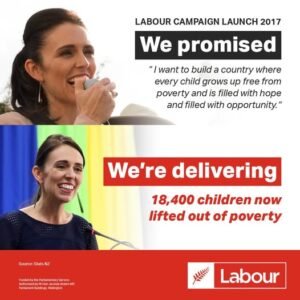
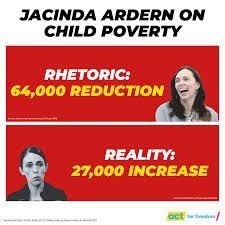
It is important to note that these figures have not shifted meaningfully despite previous commitments: a Labour government had made child poverty reduction a central goal, and the Prime Minister at the time, Jacinda Ardern, held the ministerial portfolio for child poverty reduction. That context is shaping both criticism and calls for renewed, cross‑party focus on effective interventions.
Despite the political heat, there are constructive threads in the responses. Both parties stress the need for targeted support for vulnerable families, better access to health and housing, and policies that address the cost of living. That shared emphasis opens space for pragmatic collaboration on measures that can make an immediate difference — for example, expanding access to primary care, boosting income support for families in need, and accelerating affordable housing projects.
Looking ahead, the conversation is likely to centre on translating concern into measurable outcomes. The figures underline that policy ambition must be matched by sustained action and clear milestones. With cross‑party attention on the issue and concrete proposals on the table, there is room for cautious optimism that focused, well‑resourced steps could begin to shift the numbers and improve daily life for New Zealand children.