



The Government is receiving advice on how low New Zealand’s fuel stocks would need to fall before emergency demand measures—such as purchase limits or petrol stations opening only on alternate days—are triggered.
Ministers said today the country currently has 50 days’ worth of key fuel supplies, including stock already in New Zealand and shipments en route. The closure of the Strait of Hormuz, following the outbreak of war in Iran, has cut off one of the world’s major oil and fertiliser routes, driving up prices and raising the prospect of rationing.
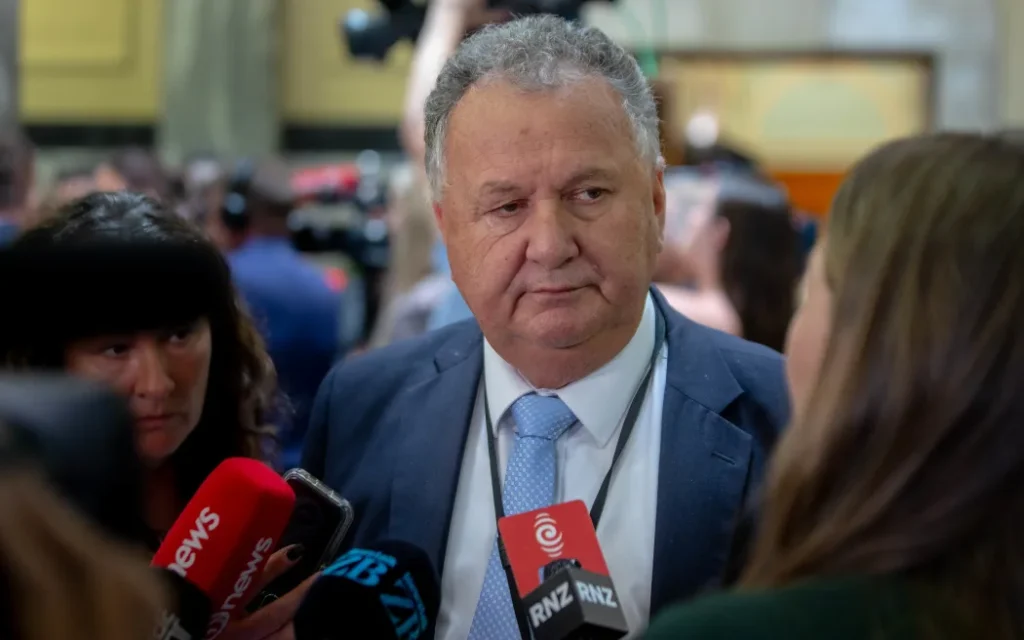
Associate Energy Minister Shane Jones said officials were preparing clear thresholds for when emergency measures might be required. He stressed that current stock levels were sufficient and urged the public not to panic.
“New Zealanders expect us to be proactive,” Jones said, adding that fuelling alarmism would be unhelpful. “We’re taking steps to ensure the Crown is ready should this hostility become protracted.”

Finance Minister Nicola Willis last night chaired the first meeting of the new Ministerial Economic Security and Supply Chains Group, established to manage the economic fallout from the conflict.
As part of the International Energy Agency’s coordinated response, New Zealand has agreed to release some of its offshore-held strategic reserves to help stabilise global markets. This stock is separate from the 50 days of domestic supply. The move, combined with similar action from G7 nations, briefly eased oil prices, though analysts warn prices will rise again if the Strait remains closed.
Willis said officials were closely monitoring whether fuel companies’ forward orders were still being fulfilled. Any disruption to those orders would be a key trigger for considering demand measures.
Unconfirmed reports have suggested South Korea—supplier of nearly half of New Zealand’s refined fuel—may restrict exports to protect its own energy security. Willis said MFAT was seeking clarity but had received no confirmation.
Should supply tighten, the Government would first look to alternative sources and may temporarily adjust fuel specifications to widen import options.
Willis said rationing tools such as car‑less days were “not on the table”, and would only be considered if New Zealand could no longer secure fuel beyond its current 50‑day buffer. The 2024 National Fuel Plan outlines a stepped approach, beginning with voluntary conservation before moving to compulsory limits, reduced station hours, and prioritisation of emergency services.