



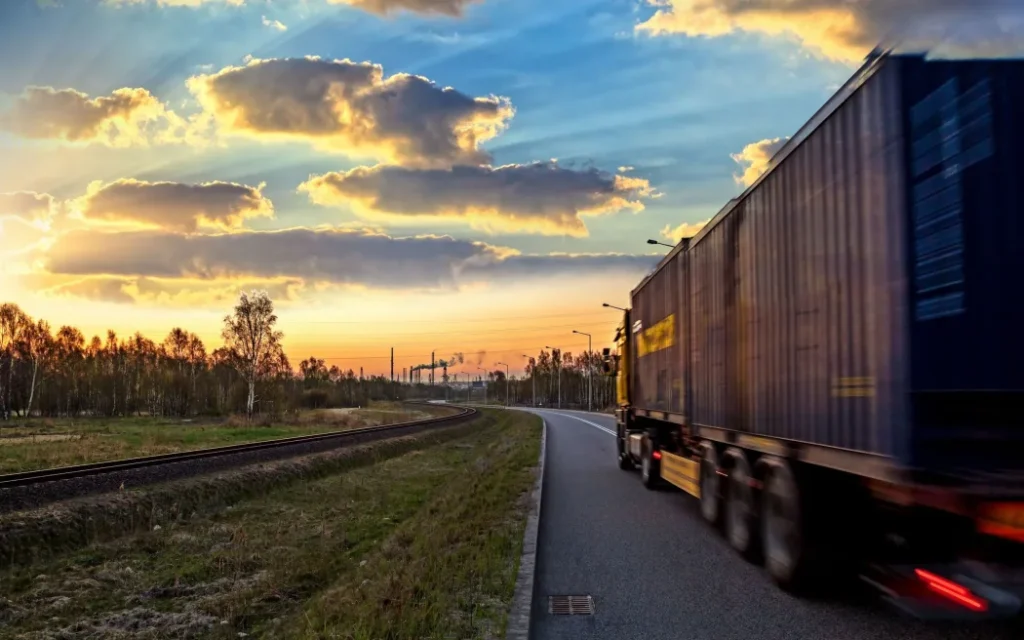
New Zealand’s freight sector is bracing for significant disruption as fuel prices surge in the wake of conflict in the Middle East, raising the question of whether rail could finally play a larger role in the nation’s supply chain.
The closure of the Strait of Hormuz — a critical global shipping lane — has sent oil markets into turmoil, with crude again climbing above US$100 a barrel. Diesel prices in New Zealand have spiked sharply, rising 35 percent in a single week, according to the New Zealand Trucking Association. Fuel has now overtaken labour as the largest operating cost for trucking companies, accounting for around 30 percent of expenses, up nearly 10 percent since the conflict began.
NZ Trucking Association chief executive David Boyce said the pressure on operators is intense. “It’s pretty tough out there… For some, this will be the straw that breaks the back,” he told RNZ’s Checkpoint. Many operators run on razor‑thin margins, leaving little room to absorb sudden cost increases. As a result, higher freight costs are expected to flow quickly to consumers.
New Zealand currently has 25 days of diesel on hand, with another 29 days’ supply en route. Boyce said supply should remain stable unless shipping routes are disrupted further — a risk that cannot be ruled out.
The Commerce Commission has stepped up monitoring of fuel pricing and says it will call out any unjustified increases. Motorists are being encouraged to shop around and use price‑comparison tools.
With more than 90 percent of New Zealand’s freight moved by road, the fuel shock exposes the vulnerability of a road‑dominant system. Industry observers note that rail — often sidelined in national transport planning — could help absorb pressure if investment and capacity were strengthened. Rail freight is less exposed to oil price volatility and offers long‑term cost stability, but decades of underinvestment mean it cannot quickly replace road capacity.
Still, the current crisis may reopen the conversation. As fuel costs rise and trucking companies struggle, the question becomes unavoidable: is this the moment for rail to finally pick up the slack?