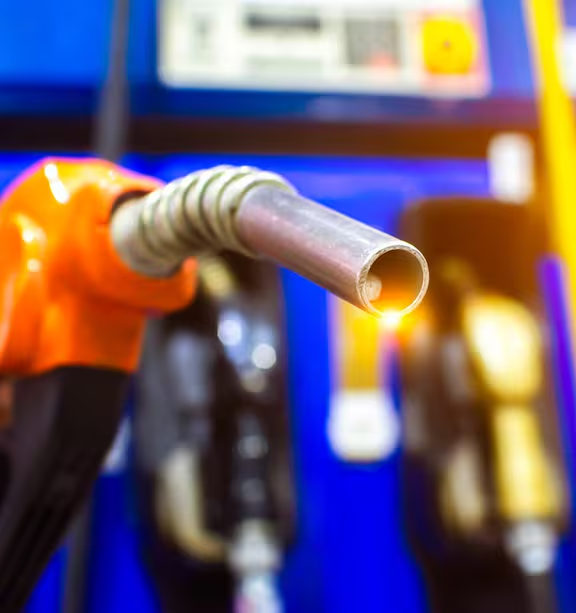



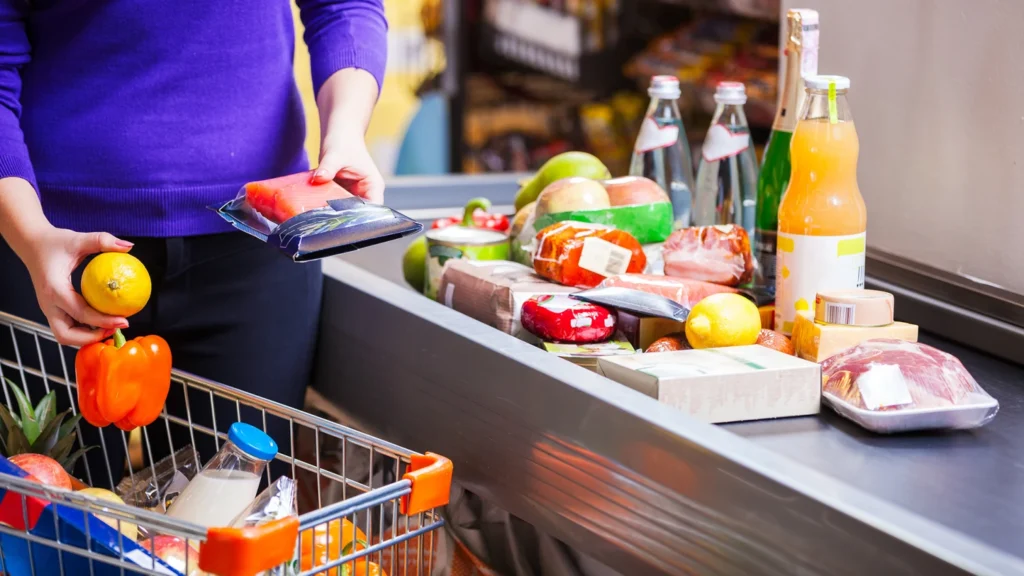
New Zealand households are bracing for another round of cost‑of‑living pressure as rising fuel prices threaten to drive food costs even higher in the months ahead. It comes on top of already‑steep increases across key grocery staples, with new data showing some of the sharpest annual food price rises on record.
Food prices climbed 4.5 percent in the year to February, according to Stats NZ, with red meat leading the surge. Beef mince — long considered a budget fallback for families — recorded its largest annual increase since records began in 2006, jumping 23.2 percent to an average $24.46 per kilogram. That’s $4.60 more than the same time last year. Sirloin steak rose even higher, up 21.5 percent, while chocolate increased 20.3 percent. Fruit and vegetables lifted 9.4 percent over the year.
Stats NZ spokesperson Nicola Growden said the scale of the increases reflects both global and domestic pressures. Economists warn those pressures are far from easing.
Westpac senior economist Satish Ranchhod said export beef prices have surged as global supply tightens, and New Zealand consumers are now feeling the flow‑on effects. BNZ chief economist Mike Jones noted that international meat prices are at record levels, driven largely by a severe shortage of cattle in the United States — the lowest numbers since 1951 — which is pushing global beef prices sharply upward.
“It’s particularly tough on households who relied on mince as a cheaper staple,” Jones said. “We’re seeing double‑digit increases across meat, bread, vegetables — and now we’re staring down big increases in petrol prices as well. These are essential categories, and many households never got much relief from the cost of living.”
Fuel‑driven inflation is expected to intensify as conflict in the Middle East disrupts global oil supply. Infometrics chief forecaster Gareth Kiernan said sectors such as fishing, which rely heavily on fuel, are especially exposed. He warned that food prices are likely to rise further as higher transport and production costs ripple through supply chains.
A few items did fall — including olive oil and potato crisps — but economists say these drops won’t offset the broader trend. For many families, the squeeze is set to get worse before it gets better.