



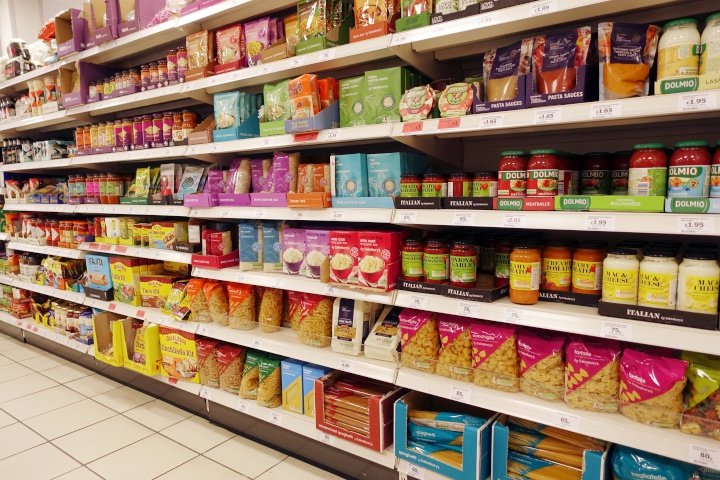
Global uncertainty is once again pushing fuel and freight costs into the spotlight, raising fresh concerns about the months ahead for New Zealand households already grappling with a stubbornly high cost of living. While supermarket shelves remain well stocked for now, industry leaders warn that rising transport and supplier costs could soon flow through to retail prices.
Stats NZ’s latest figures show annual food price inflation at 4.5% in February, with a slight 0.1% dip month‑to‑month. But behind the headline number sits a more complex picture. The Foodstuffs co‑operatives, which operate New World, PAK’nSAVE and Four Square stores, reported a 3.7% year‑on‑year rise across their comparable basket — lower than the national figure, but still driven by sharp increases in key categories.
Red meat continues to be one of the biggest pressure points. Strong global demand and tight supply have pushed prices higher, with sirloin steak up 22.9%, blade steak up 22.6%, lamb chops up 20.4%, and beef mince up 19.3% over the year. Select fruit and vegetables also surged, with cucumbers up 75.5%, courgettes up 70%, and tomatoes up 54%. Weather‑related disruptions — including a February cold snap — contributed to the volatility.

Foodstuffs NZ Managing Director Chris Quin says the co‑ops are watching developments in the Middle East closely, particularly the conflict affecting the Strait of Hormuz, a critical global oil route. Although New Zealand’s food supply remains stable, the real pressure point is rising operating costs.
“The main issue at the moment is higher fuel, freight and packaging costs rather than product availability,” Quin said. “We’ve seen the cost of diesel for our transport fleet rise significantly, but at this stage we’re absorbing that to help keep food prices as steady as possible for customers.” scoop.co.nz
With New Zealand sitting at the end of long global supply chains, even small disruptions can ripple downstream. Supplier costs for Foodstuffs’ basket rose 5.4% year‑on‑year, outpacing retail price increases. The Infometrics Grocery Supplier Cost Index remains elevated at 2.3%, reflecting ongoing pressure across more than 60,000 products.
There were some bright spots — olive oil, kumara, carrots, canned tuna and tomato sauce all fell in price — but economists warn these declines are unlikely to offset rising fuel and freight costs.
As global tensions persist and oil markets react, the full impact on food prices may not be felt for several months. For households already stretched, the squeeze is far from over.