


Another week, another poll — and another reminder that 2026 is shaping up to be one of the most volatile election years in recent memory.
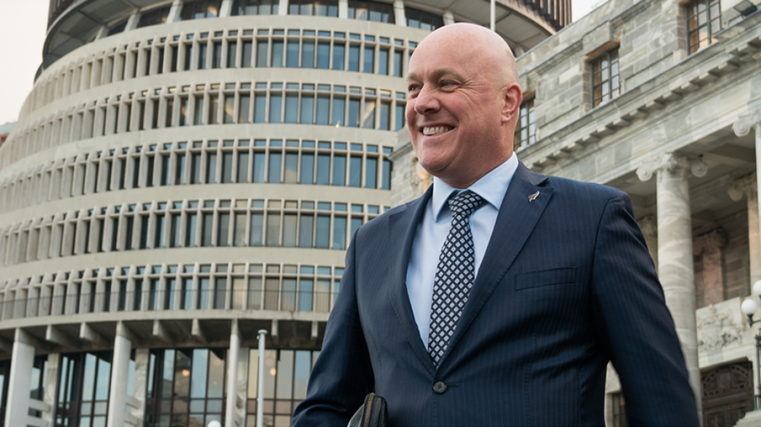
The latest Talbot Mills corporate poll shows National climbing back above the 30% mark, a psychological threshold that will come as a relief to Prime Minister Christopher Luxon after a bruising fortnight of speculation about his leadership.
The poll, conducted between March 2 and 12, places Labour at 35% and National at 32%, with NZ First and the Greens tied on 11%, ACT on 7%, and Te Pāti Māori on 1.7% — a level that would require electorate wins to return to Parliament. The Opportunities Party sits at 2.4%.
On these numbers, Labour may be ahead of National, but the governing coalition still commands 50% combined support, enough to remain competitive despite the turbulence of the past month. The polling period captured the Government’s response to the Iran conflict, the fuel‑price shock, and the fallout from the earlier Taxpayers’ Union Curia poll — the one that sent Wellington into a frenzy by placing National at just 28%.
That result triggered open speculation about Luxon’s future, with some commentators suggesting he should “consider his position.” Luxon dismissed the Curia numbers at the time, pointing instead to National’s internal polling — which, as media outlets reported, had the party sitting around 32%. The Talbot Mills result now publicly validates that claim.
Still, the divergence between polls raises a broader question: how much faith should voters place in surveys that swing so dramatically from week to week? The only certainty is uncertainty — and a deeply divided electorate.
The poll also underscores the growing influence of NZ First, which continues to sit comfortably above the 5% threshold. While Winston Peters has spent recent days batting away online rumours and distancing his party from personal controversies elsewhere in politics, his support remains steady.
If there’s a lesson in all this, it’s one we touched on in our recent editorial: politics is increasingly shaped by personal storms, social‑media tempests, and public impatience. But polls don’t vote — people do. And with numbers this tight, every week from here to election day will count.