



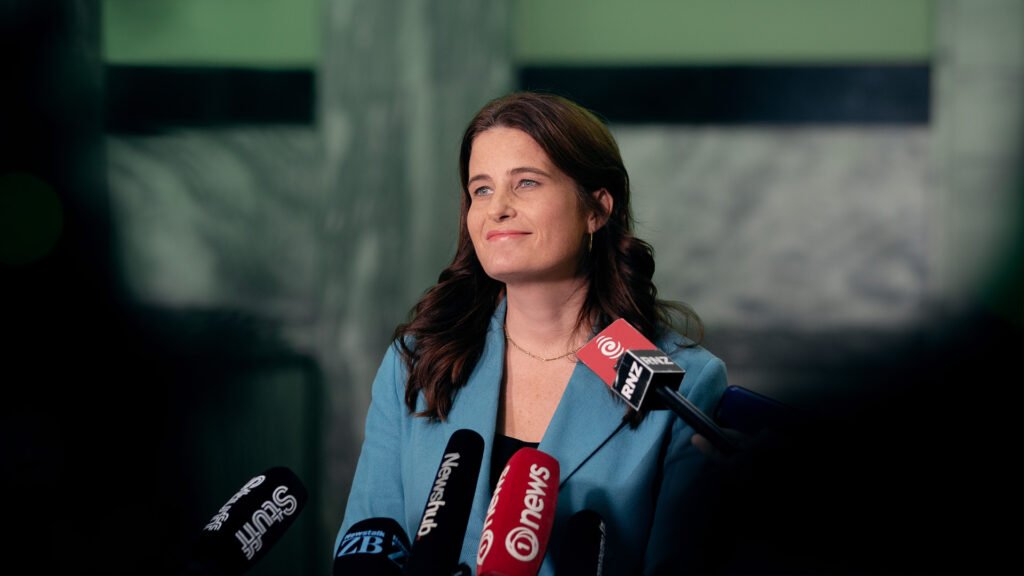
Economic data released today shows the New Zealand economy ended 2025 on a modest but positive footing, with real GDP rising 0.2 percent in the December quarter, according to new figures from Stats NZ. Finance Minister Nicola Willis says the numbers confirm the economy “was growing at the end of last year,” noting that growth strengthened in the second half of 2025 after a flat first six months. Over that period, GDP expanded 1.1 percent.
Independent economists say the latest figures point to an economy that is stabilising rather than surging.
“Quarterly growth of 0.2 percent isn’t spectacular, but it does show the economy avoided slipping backwards,” one senior economist told CVNZ News. “The second‑half rebound is encouraging, though households won’t necessarily feel that improvement straight away.”
Business groups also welcomed signs of resilience but warned that global uncertainty remains a major factor.
“Firms are seeing early hints of confidence returning, but margins are still tight and costs remain elevated,” a spokesperson for BusinessNZ said. “Any disruption to shipping or fuel prices from the Middle East conflict will be felt quickly here.”
Willis acknowledged the conflict is likely to have an economic impact but said New Zealand is “starting from a much stronger position” than in recent years, when high inflation and rising interest rates weighed heavily on households. She said current forecasts still show growth continuing into 2026, depending on how long global disruptions last.
Consumer advocates, however, say many families remain under pressure.
“GDP growth doesn’t automatically translate into relief for households still dealing with high living costs,” a budgeting adviser said. “People are watching every dollar, and any global shock hits low‑income families first.”
Opposition parties were quick to argue the government is overstating the significance of the latest data, saying the economy remains “too weak to deliver meaningful change” for ordinary New Zealanders.
Trade analysts note that while New Zealand is exposed to global volatility, most current forecasts still point to moderate growth next year unless the conflict escalates.