



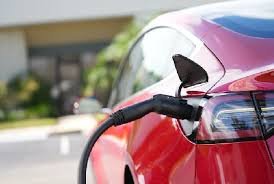
As global fuel markets convulse under the pressure of Middle East conflict, few New Zealanders will be surprised that the Government is moving urgently to expand the country’s electric vehicle (EV) charging network. After years of underinvestment and policy drift, the fuel crisis has exposed just how vulnerable New Zealand is — and how much catch‑up work lies ahead. Yet even as Kiwis expect the Government to “fix it now,” the reality is that rebuilding resilience takes time, planning, and steady hands.
Transport Minister Chris Bishop and Energy & Climate Change Minister Simon Watts have announced a major step in that direction: 2,574 new public EV charge points, more than doubling the current network, backed by $52.7 million in zero‑interest Government loans and $60 million in private co‑investment from ChargeNet and Meridian Energy.

Bishop says the move breaks a long‑standing deadlock. “The private sector is reluctant to invest until there’s demand — but demand won’t grow until the chargers exist.” The Government is using concessionary loans to bridge that gap, lowering capital costs while keeping taxpayer exposure low. Once repayments are factored in, the net cost per charger is around $10,000, roughly a quarter of what a direct grant would require.
The rollout includes 1,374 DC fast chargers and 1,200 AC chargers, spread evenly between major cities and regional New Zealand. With only about 1,800 chargers currently in place, New Zealand sits near the bottom of the OECD for charger‑to‑EV ratios. The Government’s long‑term goal is 10,000 chargers by 2030.
Watts says the timing could not be more critical. EV sales were already up 10.5 percent year‑on‑year in February, and interest has surged as petrol prices spike. “At a time when global fuel markets are volatile, this matters,” he says. EVs produce at least 60 percent fewer lifecycle emissions and offer households insulation from fuel shocks.
From a biblical perspective, the moment feels like a call to stewardship — preparing wisely for the future rather than reacting in crisis. Proverbs teaches that “the prudent see danger and take refuge.” For a nation long exposed to fuel volatility, today’s investment is less about politics and more about building the resilience New Zealand should have had years ago.