



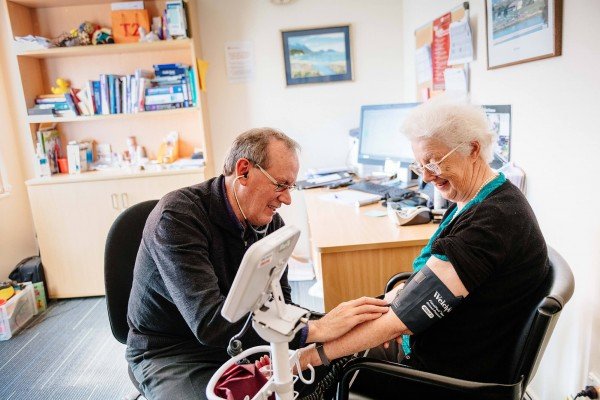
New Zealand family doctors report that rising fuel costs are causing patients to miss appointments and have difficulty affording medications. They anticipate this problem could get worse soon due to increasing international tensions.
The war in Iran is still causing global supply chain problems. Officials in the UK are worried they might run out of medicine in a few weeks. Health officials in New Zealand are concerned about similar problems.
Adding to the uncertainty, US President Donald Trump has warned Iran to expect “hell fire” within the next 24 hours — a threat that has pushed global oil markets into further turmoil. Diesel prices have now climbed higher than petrol, hitting rural communities especially hard.
Dr Luke Bradford from the Royal NZ College of GPs says medicine shortages are becoming a constant frustration.
“Shortages are the biggest nuisance,” he says. “We often get very little notice that a medication is unavailable, and we have to scramble to find alternatives for patients.”
Pharmac says it is closely monitoring supply risks linked to the conflict.
While GPs themselves can still get to work, the real impact is on patients. Rising fuel costs mean many are rethinking all travel — not just medical appointments.
Speaking with RNZ, Ōpōtiki and Tokoroa GP Dr Jo Scott‑Jones says rural patients are already delaying or cancelling visits.
“I have no doubt people are putting off trips to the GP or specialist appointments,” he says. “They’re trying to prioritise, but the cost of getting anywhere is becoming a real barrier.”
He believes hospitals need to rapidly expand virtual care, similar to the telehealth systems used during Covid. Many follow‑up appointments — including post‑operative checks — could be done remotely, he says, with nurses in local clinics assisting with basic observations.
“We could run a weekly virtual outpatient session from the GP surgery, rather than patients travelling to Whakatāne or Tauranga,” he says. “But shifting that workload to general practice needs proper resourcing.”
The Government has announced support measures, including an extra $50 a week for nearly 150,000 families and a temporary 30% increase in mileage rates for home and community support workers.
But with fuel prices still climbing and global tensions rising, health providers warn the pressure on patients — and the health system — is only just beginning.