



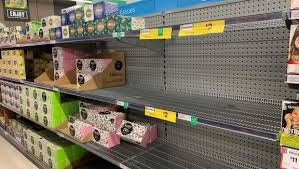
By Sarah McMillan/cvnznews.com
Food is one of those quiet assumptions in New Zealand life — something we believe will always be there. Prices rise, portions shrink, eggs cost more than they should, but the shelves remain stocked, and so we carry on. We trust that our growers, processors, and overseas suppliers will keep the system humming.
But that assumption is beginning to crack.
As our winter approaches — and as Australia, our largest food supplier, heads into another volatile season — a troubling convergence is forming. It is bigger than supermarket specials, bigger than inflation, and bigger than politics. It is a warning that New Zealand’s food security is not as unshakeable as we like to believe.
A Nation Losing Its Processing Backbone
In the past year, two of the country’s major food‑processing pillars — Wattie’s and McCain — have announced the closure of key processing plants. These facilities were not just factories; they were anchors for regional growers, seasonal workers, and domestic supply chains.
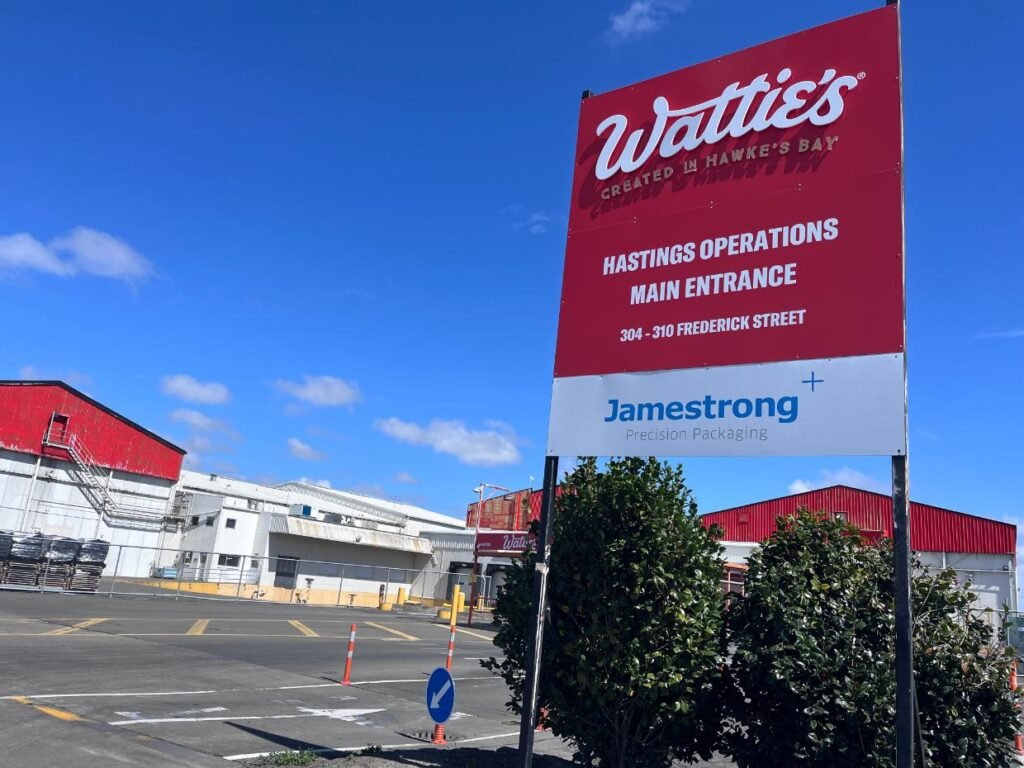
When processing capacity disappears, crops don’t just “find another home.” They often don’t get planted at all.
A country that once prided itself on feeding the world is quietly losing the infrastructure that feeds itself.
Storm‑Hit Regions Still Carry the Scars
Hawke’s Bay — one of New Zealand’s most productive food bowls — is still recovering from the devastation of Cyclone Gabrielle. Orchards were buried. Vineyards drowned. Topsoil washed away in a single night.
Some growers rebuilt. Others walked away.
The nation barely grasped how close we came to losing a major portion of our fruit and vegetable supply. And the truth is uncomfortable: one more storm of that scale could push parts of the region past the point of recovery.
Drought Is Not Just an American Problem
We often read about US droughts as if they are distant dramas. But New Zealand is no stranger to dry years — and Australia, where we import a significant amount of food, is even more vulnerable.
A hot, dry Australian season means:
- fewer vegetables shipped to NZ
- higher prices for what does arrive
- pressure on our own growers to fill the gap
And if our own regions face water restrictions — as they have before — the squeeze becomes national.
Water stress is food stress. It always has been.
The Fertiliser Squeeze Is Real — and Dangerous
New Zealand’s growers rely heavily on imported fertiliser. Global disruptions — from the Middle East to Russia to China — have already pushed prices into uncomfortable territory.
Fertiliser is not optional.
It is not a luxury.
It is the difference between a full harvest and a failed one.
If farmers cannot afford enough — or cannot get it in time — the losses are locked in. There is no “catch‑up” later in the season. Crops do not negotiate.
Auckland’s Sprawl Is Eating the Land That Feeds Us
While storms and droughts hit from one side, urbanisation hits from the other.
Auckland continues to expand across some of the most fertile soils in the country — land that once grew vegetables, fruit, and dairy feed. Once it is paved, it is gone forever.
A nation cannot keep sacrificing its best farmland and expect food prices to remain stable.
New Zealand’s Food Crisis Won’t Look Like Empty Shelves — At First
If a food crisis arrives here, it will not begin with panic buying. It will begin with:
- another jump in grocery prices
- beef and lamb becoming luxury items
- processed foods quietly rising
- restaurants shrinking portions
- families trading nutrition for affordability
Parents skipping meals so children can eat is still a food crisis — just a quieter one.
When fertiliser tightens and harvests shrink, wealthy nations pay more. Poorer nations go hungry. Instability grows. Desperation spreads.
New Zealand is not immune to global shocks. We are tied to them — through trade, through imports, through energy, through fertiliser, through shipping lanes.
Food security is not guaranteed. It is maintained.
No one can say New Zealand is heading for a full‑scale food collapse this year. But there is enough evidence to say this:
The illusion of abundance is fragile.
The warning signs are real.
And the window to prepare is shrinking.
If this winter is harsh…
If Australia burns or dries…
If global fertiliser markets tighten again…
If another storm hits our food‑producing regions…
Then New Zealand may discover that a food crisis does not begin with empty shelves.
It begins with warnings we dismissed — until they proved true.