


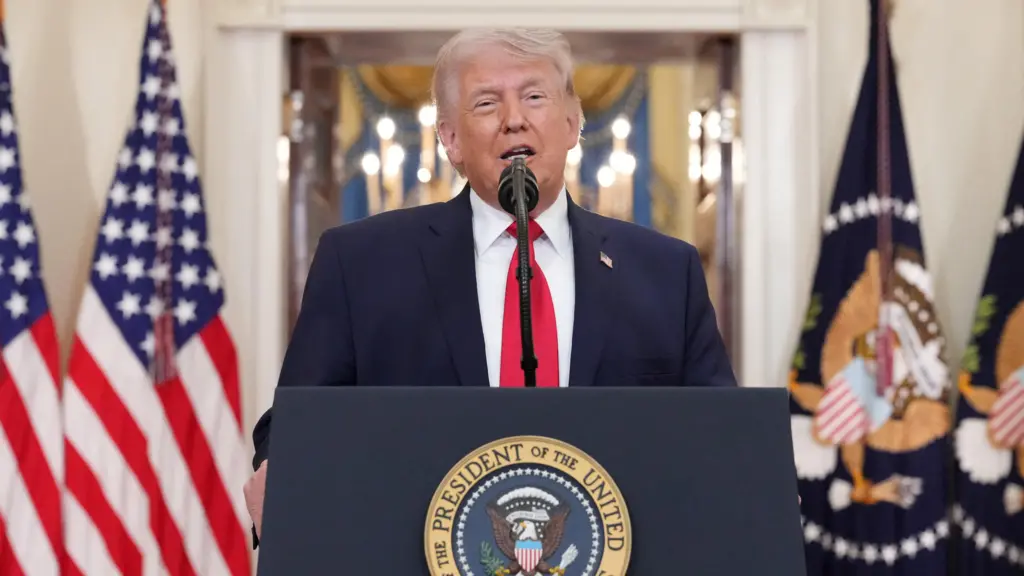
The announcement of a conditional two‑week ceasefire between the United States and Iran has sent ripples through global markets and diplomatic circles, offering the first real pause in a conflict that has dominated headlines for more than a month. The deal, brokered with Pakistan’s mediation, hinges on the reopening of the Strait of Hormuz — a critical artery for global oil shipments — and a halt to attacks on US and regional targets.
For New Zealand, the ceasefire brings immediate economic and strategic implications. Oil prices, which surged above US$110 a barrel during the height of the crisis, have now fallen sharply, trading well under US$100 following the announcement. Analysts note that while relief at the pump will take time to filter through, the easing of pressure on global supply chains is a welcome development for a country heavily dependent on imported fuel. New Zealand exporters — particularly those shipping goods through Asian and Middle Eastern routes — may also see reduced freight volatility if maritime traffic stabilises.
However, the ceasefire’s ambiguity around Lebanon casts a long shadow. As reported by the BBC, it remains unclear whether the agreement covers the Lebanese front, where fighting between Israel and Hezbollah has devastated communities.
More than 1.2 million people — a fifth of Lebanon’s population — have been displaced, and over 1,500 killed, with villages near the border destroyed as Israeli forces push to create a “security buffer zone”. Israeli officials had previously indicated they would continue operations in Lebanon regardless of any US‑Iran deal, raising fears that some areas may remain occupied and families unable to return home.
This uncertainty matters for New Zealand’s diplomatic posture. Wellington has consistently advocated for international law, humanitarian access, and de‑escalation across the Middle East. The scale of displacement in Lebanon — and the possibility of prolonged instability — may prompt renewed calls for humanitarian assistance or refugee support, areas where New Zealand has historically played a modest but principled role.
The ceasefire also opens a narrow window for broader negotiations. Both Washington and Tehran are framing the agreement as a strategic win, but the next two weeks will test whether this pause can evolve into something more durable. For New Zealand, the priority will be monitoring global market stability, supporting diplomatic efforts, and preparing for the humanitarian consequences if Lebanon remains outside the ceasefire’s protection.