


by Colin Ambler/cvnznews.com
It started with a simple question: why are so many low‑risk, everyday situations tripped up by alcohol licensing rules that no longer seem to fit modern life? That question now sits at the heart of a new piece of legislation making its way through Parliament — and New Zealanders are being invited to help shape what happens next.
The Sale and Supply of Alcohol (Improving Alcohol Regulation) Amendment Bill passed its first reading last week and is now open for public submissions at the Justice Select Committee. Associate Justice Minister Nicole McKee says the Bill aims to streamline outdated processes, reduce unnecessary compliance costs, and give communities and businesses a more practical, workable licensing system.
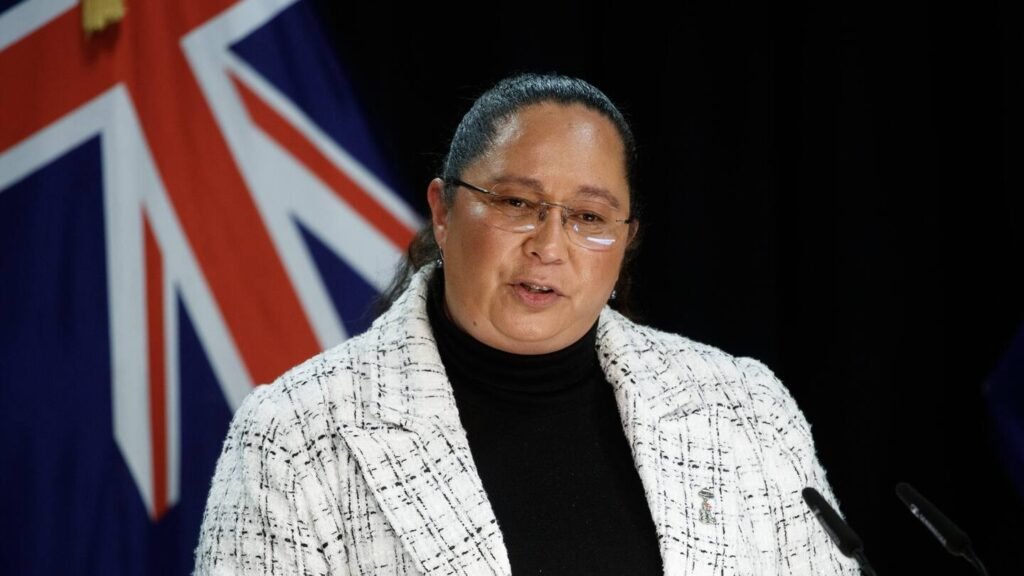
According to the Minister, the current law is littered with examples of red tape that create barriers without delivering clear benefits. One recent case involved a tourism operator who was unable to offer a complimentary glass of bubbles to a couple after flying them to a remote lookout for their wedding ceremony — a situation she describes as low‑risk but over‑regulated.
The Bill proposes a series of targeted changes. These include limiting who can object to licence applications to people living or working nearby, giving applicants a right of reply during the objection process, and preventing licence renewals from being declined solely because a local alcohol policy has changed. Clubs would gain the option to apply for on‑licences, certain restaurants could sell alcohol for customers to take home, and special licence requirements for events would be simplified.
Other updates focus on modernising the system: allowing licensed premises to stock either low‑ or zero‑alcohol drinks to meet their obligations, extending cellar‑door tasting rules to breweries and distilleries, and clarifying responsibilities for rapid alcohol delivery services to ensure safe practice. A permanent mechanism would also allow licensed venues to open outside normal hours to screen major international events.
Public submissions are now open, with the Minister encouraging anyone affected by the current rules — from hospitality operators to community clubs — to share their experiences. Submissions to the Justice Committee close on 14 May 2026.