

cvnznews.com/ Editorial.
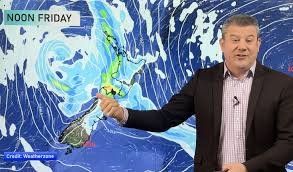
The clean‑up from Cyclone Vaianau has barely started and already the fallout is as much about trust as it is about debris. Forecasts promised a hammer blow; the reality was a glancing strike. The result is predictable: frightened children, furious parents, and a public increasingly convinced the Met Service and Emergency Management are crying wolf.
This is not mere annoyance. My own nine-year-old grandchild had heard the news and noted parental concerns feared going to bed because of the storm Other parents reported the same raw terror. That fear is real, and it is the direct product of how risk is being communicated — not just what the models say, but how those models are sold to the public.
Institutional Cowardice Dressed as Caution
There is a difference between prudent caution and defensive alarmism. Too often our forecasting agencies choose the latter. They blast national alerts, paint worst‑case scenarios as inevitabilities, and then retreat into technical caveats when the storm underdelivers. That pattern protects bureaucrats from blame but wrecks public credibility.
Taxpayers fund these services to manage risk intelligently, not to manufacture headlines. When every wet weekend becomes a national emergency, the public learns to tune out. The next time a genuine catastrophe looms, that erosion of trust could cost lives.
Personal Responsibility and Public Stupidity
But the blame is not one‑sided. Repeated overwarning has exposed a worrying cultural rot: a tendency to outsource responsibility and a streak of reckless behaviour that defies common sense. Despite repeated calls to prepare, how many people actually packed a grab bag? How many ignored beach closures to film toddlers chasing waves? How many 4WD drivers turned flooded streets into rolling battering rams that smash against homeowners’ properties?
There is no dignity in lecturing victims who followed advice. But there is also no excuse for the idiotism we saw on TV — thrill‑seeking, attention‑seeking, and plain stubbornness that turns warnings into theatre. When authorities shout and people treat it like entertainment, both sides fail.
Why do agencies overstate risk? Because the media rewards drama, legal teams demand cover, and politicians fear being blamed for under‑warning. The result is a perverse incentive loop: louder warnings, more headlines, less trust. Emergency Management then finds itself damned if it warns and damned if it doesn’t — but that is not an excuse for sloppy communication.
If agencies want credibility back, they must change how they speak and act:
- Stop broadcasting certainty where there is probability. Use scenario language: likelihoods, time windows, and localised impacts.
- Localise messaging. Not every region needs the same national alarm. Tailor alerts to real, measurable risk.
- Prioritise actionable advice over fear. Tell people exactly what to do, where to go, and what to take.
- Measure success by preparedness, not headlines. Track whether households actually have plans and supplies.
- Call out reckless behaviour publicly. If people ignore closures and put others at risk, name the behaviour and explain the consequences.
We can have accurate models and still be terrible at using them. We can have brave, well‑meaning agencies and still produce panic. We can have communities that expect to be coddled and then complain when the system fails them.
Fixing this requires honesty from both sides. Agencies must stop hiding behind hyperbole and start communicating uncertainty with humility and clarity. Communities must stop treating warnings as optional theatre and take basic responsibility for their safety.
Until that happens, every false alarm chips away at credibility — and one day that erosion will matter in the worst possible way. Recalibrate now, or accept that the next warning may be the one no one believes.