



By Mike Bain/cvnznews.com
The future of New Zealand’s broadcasting regulator has become a live political battleground, as ACT intensifies its push to scrap the Broadcasting Standards Authority (BSA) and the Government signals it may be ready to follow.
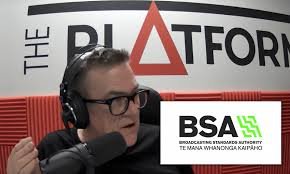
The pressure escalated after a high‑profile jurisdiction ruling involving online talkback outlet The Platform, which reignited long‑running questions about whether a regulator created in 1989 can meaningfully govern a digital‑first media landscape.

ACT MP Laura McClure says the Minister’s recent comments — suggesting the BSA may be abolished — show the Government is “finally catching up” with public sentiment. McClure argues the Authority is “an outdated regulator trying to stretch a law written for rabbit‑ear TV over the modern internet,” and says thousands have backed ACT’s petition calling for its removal.
The dispute sharpened after the BSA ruled that The Platform’s livestream talkback content falls under the Broadcasting Act, despite the regulator acknowledging it has no jurisdiction over major online platforms such as Netflix, YouTube, or Disney+. The inconsistency triggered political backlash, with critics saying the ruling exposed the arbitrary nature of the current system.
The Platform had previously told a complainant it was not subject to the BSA, prompting further scrutiny when the Authority determined otherwise. The case centred on comments made by host Sean Plunket, which led to a complaint and forced the BSA to decide whether the outlet counted as a broadcaster.
Media and Communications Minister Paul Goldsmith has since described the regulatory framework as “messy” and “outdated,” saying the Government is considering whether the BSA should continue to exist at all. He has floated a shift toward a Media Council‑style model, which relies on self‑regulation rather than statutory enforcement.
ACT says that is not enough. The party wants the BSA shut down entirely, arguing that defamation, incitement, and other harmful conduct are already covered by existing law, and that taxpayers should not be funding what it calls “taste police.”
The Government has not yet confirmed a timeline for reform, but the political momentum is unmistakable. With ACT promising to make the issue a first‑100‑days priority if it enters Government after the next election, the BSA now finds itself at the centre of a debate that goes far beyond one complaint — and into the heart of how New Zealand regulates speech, media, and the fast‑moving digital world.