




By Mike Bain/cvnznews.com
Trade and Investment Minister Todd McClay says legal verification of the New Zealand–India Free Trade Agreement (FTA) has been completed, with both countries agreeing to formally sign the deal on 27 April in New Delhi. The ceremony will take place in front of a large delegation of Indian and New Zealand business leaders.
McClay says the agreement represents “once‑in‑a‑generation” access to a market of 1.4 billion people and an economy projected to become the world’s third largest. He argues the FTA is vital amid global instability and will allow New Zealand to begin the parliamentary treaty‑examination process, enabling full public scrutiny.
The Minister highlighted the Most Favoured Nation (MFN) clause, noting that if New Zealand’s agreement enters into force before the EU’s, exporters will automatically gain the same improved access for wine and services that the EU has secured — benefits worth “tens of millions” to the economy.
The FTA eliminates or reduces tariffs on 95% of New Zealand exports, with 57% duty‑free on day one, rising to 82% once fully implemented. Key sectors benefiting include lamb, wool, coal, forestry, industrial goods, seafood, kiwifruit, apples, mānuka honey and dairy ingredients.
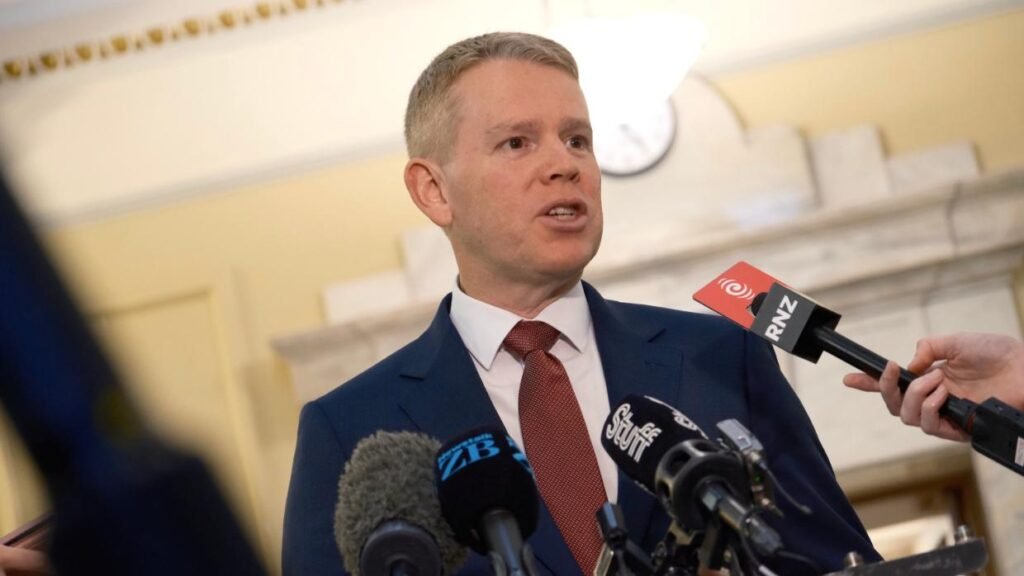
Labour has not signed off on supporting the FTA and has publicly criticised the Government’s handling of the process in recent days.
According to reporting from interest.co.nz, Labour leader Chris Hipkins said the deal is being “rushed” and negotiated “far more secretively than any other agreement New Zealand has entered into”, raising concerns about investment and visa settings. He said Labour is still waiting for full, unredacted official advice before deciding whether to support the legislation.
Additional reporting from The Post notes Labour remains in a stalemate with National over what constitutes adequate official advice, with Hipkins saying the Government has not yet answered “several significant issues” Labour has raised.
Next Steps
Once signed, the FTA text and National Interest Analysis will be tabled in Parliament and referred to the Foreign Affairs, Defence and Trade Committee. Enabling legislation will follow the standard process used for previous agreements including the TPP, CPTPP, and FTAs with the UK, EU and UAE.
McClay says the agreement has strong backing from exporters and will deliver benefits “for generations to come.”