



By Mike Bain/cvnznews.com
President Donald Trump urged other nations in mid‑March 2026 to help secure the Strait of Hormuz, prompting international caution and a sharp domestic response from the Green Party, which has called on Prime Minister Christopher Luxon to rule out New Zealand joining any US‑led military coalition.
President Trump publicly called on countries that rely on oil transiting the Strait of Hormuz to “take care of that passage” in mid‑March, urging partners to contribute to reopening and securing the waterway after attacks and strikes disrupted shipping. Several international outlets reported the appeal between 14–16 March and noted that few major allies immediately committed naval assets.
The Strait of Hormuz funnels roughly one‑fifth of global traded oil, and its effective closure has driven sharp increases in oil prices and raised questions about global energy security. Washington has framed the request as a collective security task; some partners, including Japan and several European states, publicly signalled reluctance to send warships, citing legal and political constraints.
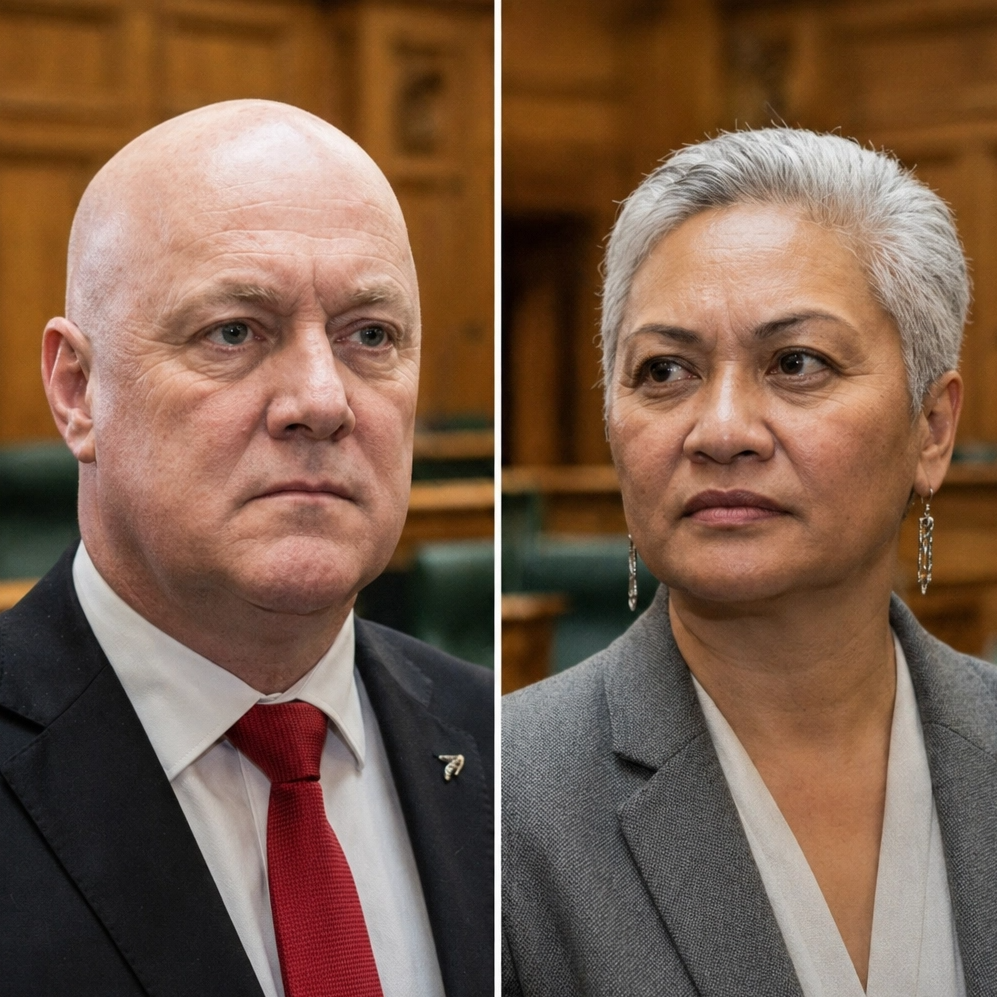
Domestically, the Green Party has issued a forceful demand that the Prime Minister rule out New Zealand joining any US‑led military coalition in the Gulf. In a party release supplied to media, Green Co‑leader Marama Davidson said Mr Luxon must “find some spine and tell Washington that we are not for hire” and argued any deployment should be debated and voted on in Parliament rather than decided around the Cabinet table. Davidson said “Peace is built through diplomacy, ceasefires and the United Nations, not through another US‑led ‘coalition of the willing’,” and added that “New Zealanders deserve a say before our defence force is committed to anyone’s war.”
Government sources say the US embassy raised the matter with New Zealand officials during diplomatic contacts, and ministers have stressed the need for careful consideration of legal authority, parliamentary oversight and operational risk before committing any assets. Some ministers have indicated any involvement would be conditional on a sustainable ceasefire, a position critics say would make deployment unnecessary if hostilities pause.
Analysts say the issue pits two priorities: protecting freedom of navigation and global energy supplies versus the political, legal and military risks of joining a contested maritime operation far from New Zealand. For now, the international picture remains mixed: Washington has pressed for partners, but several key allies have publicly declined to lead with naval escorts, leaving smaller states to weigh diplomatic, legal and parliamentary implications.
What to watch next: whether the New Zealand Government publicly clarifies its position; whether Parliament is asked to debate any request for military contribution; and whether other partners change course and offer concrete assets. The Greens say Mr Luxon should rule this out now and recommit to a foreign policy “grounded in peace and international law.”