


By Colin Ambler/cvnznews.com
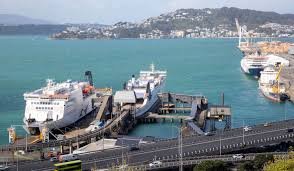
Interislander freight customers are being hit with a steep jump in fuel charges, with KiwiRail confirming its fuel adjustment factor has surged to 54.4 percent, up from 27.7 percent, as marine fuel prices spike in the wake of the Middle East conflict. The increase, reported by RNZ, places fresh pressure on transport operators moving goods across Cook Strait.
KiwiRail chief customer and growth officer Adele Wilson said the ferry operator was facing “material cost pressures” as diesel prices climbed sharply. Fuel is one of Interislander’s largest operating expenses, and Wilson said the organisation could no longer absorb sustained increases without threatening the long‑term viability of services.
A fuel adjustment factor is effectively a surcharge added to base freight rates, rising or falling with global fuel prices. Wilson said the charge is reviewed monthly and could move either way, though decreases often lag behind falling fuel prices.
Transporting New Zealand chief executive Dom Kalasih said the higher fee will hit almost every commercial truck travelling between the islands, covering everything from furniture and groceries to livestock. He warned that transport firms already operating on tight margins will have little choice but to pass the extra cost on to businesses — and ultimately to consumers.
The wider shipping sector is also under strain. International giant Maersk has announced a 27 percent fuel surcharge of its own, a move New Zealand Shipping Federation executive director John Harbord said would have “massive” flow‑on effects. With 99 percent of New Zealand’s imports and exports moved by sea, even small increases compound quickly. Harbord said Cook Strait ferries alone are spending roughly $600,000 more per week on diesel than before the conflict.
Rail Minister Winston Peters declined an interview but said in a statement that no transport operator could be expected to absorb global fuel volatility. He noted that rival ferry operator Bluebridge had already lifted its own surcharge.
Freight companies say international fuel surcharges are now changing every few weeks, not every few months, and some warn New Zealand could again see freight costs approaching the levels experienced during the Covid‑era supply chain crunch.