



By Mike Bain/cvnznews.com
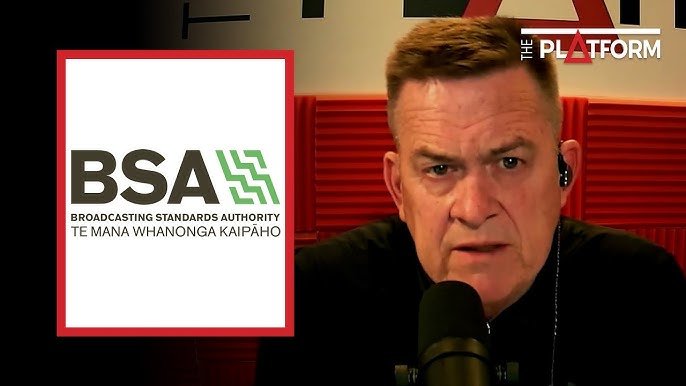
The Government has confirmed it will disestablish the Broadcasting Standards Authority, calling the 35‑year‑old regulator unfit for a digital media era. The move follows months of controversy involving online broadcaster The Platform and has been hailed as a political win by ACT — and a personal vindication by Sean Plunket.
The Government has announced it will move to disestablish the Broadcasting Standards Authority, declaring the long‑standing regulator “no longer fit for purpose” in a media environment dominated by digital platforms, podcasts, livestreams and on‑demand content.
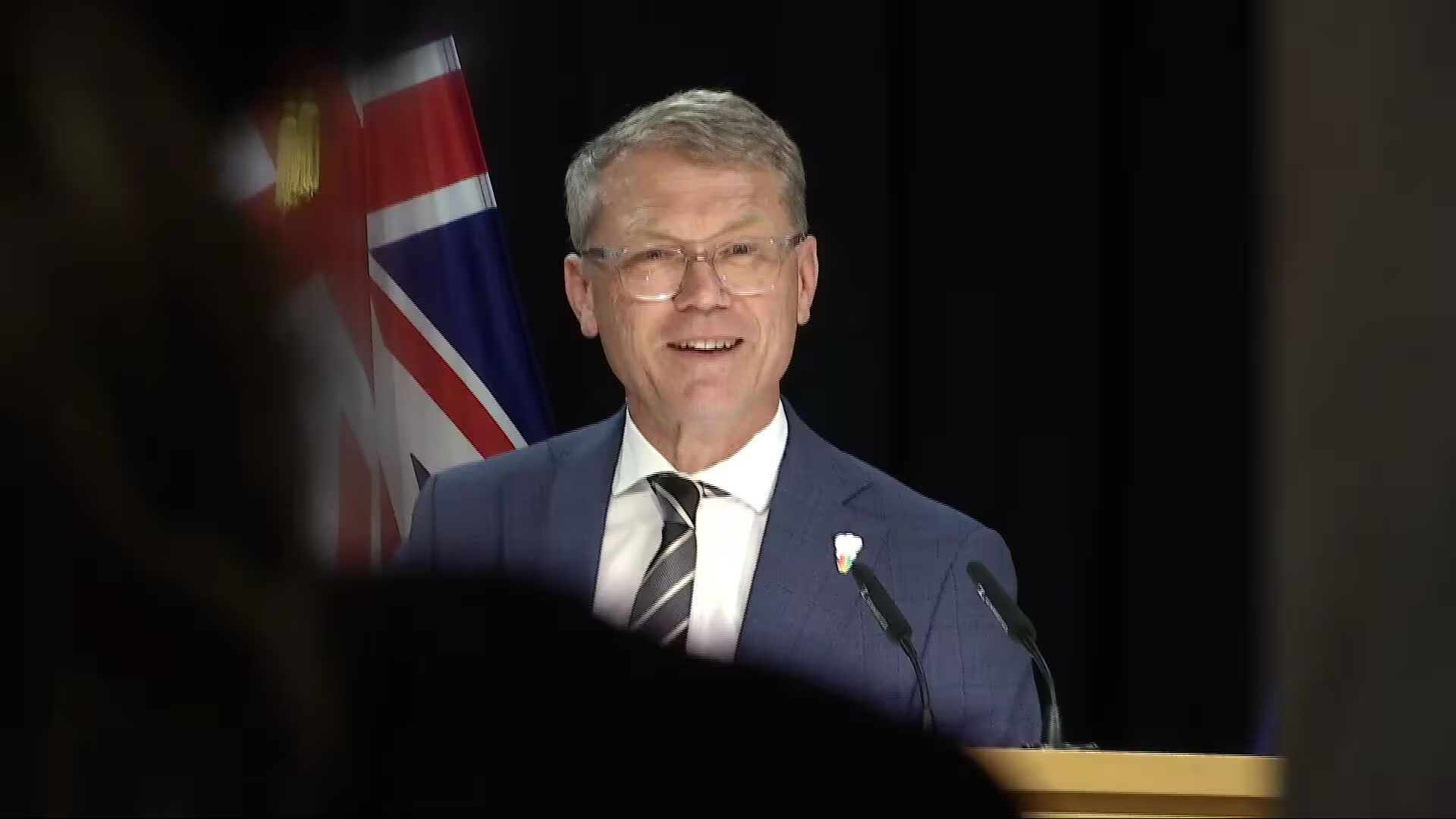
Minister for Media and Communications
Media and Communications Minister Paul Goldsmith said the BSA was built for a broadcasting world that “is rapidly disappearing,” with only a shrinking slice of modern media falling under its jurisdiction.
“New Zealand’s media landscape has changed dramatically, but our regulatory settings have not kept up,” Goldsmith said. “It doesn’t make sense that similar content is treated differently depending on whether it’s broadcast live or accessed on demand.”
Under the proposed changes, industry self‑regulation will become the default model, with the New Zealand Media Council expected to become the primary oversight body for journalism — the same model already used by print and many digital outlets.
The Government will draft repeal legislation in the coming months. The BSA will continue operating until the law is passed.
A political win — and a cultural flashpoint
Deputy Prime Minister David Seymour has celebrated the move as a major win for ACT, which has long argued that the BSA’s structure is outdated and inconsistent.
But the announcement lands in the middle of a much bigger cultural fight — one that has dominated talk radio, social media, and free‑speech circles for months.
The BSA’s recent attempt to assert jurisdiction over The Platform, an online‑only talk station, triggered a storm of public debate. The regulator’s ruling — later challenged — became a lightning rod for arguments about free speech, digital broadcasting, and the limits of state oversight.
Plunket: “A vindication”
Platform founder Sean Plunket, who has been at the centre of the controversy, has publicly welcomed the Government’s decision. He has repeatedly argued the BSA had no lawful authority over online‑only broadcasters and accused the regulator of ideological overreach.
Plunket has framed today’s announcement as proof the BSA had “lost its way,” calling the move a necessary correction in a media environment where audiences “move seamlessly between platforms the BSA was never designed to regulate.”
The Free Speech Union has also backed the shift, calling the BSA’s recent actions “overreach” and urging the Government to restore a consistent, platform‑neutral approach to media oversight.
Goldsmith says the goal is simple: a level playing field, consistent standards, and a regulatory model that reflects how New Zealanders actually consume media in 2026.
Whether this shift strengthens trust in journalism — or simply exposes deeper fractures in the media landscape — will be the next battle.