


By Colin Ambler/cvnznews.com
A new poll shows overwhelming farmer support for requiring imported pork and other animal products to meet New Zealand’s welfare standards. Animal welfare groups say the findings confirm what they’ve warned for years — that imported low‑welfare pork is undermining both Kiwi farmers and Kiwi values.
A new Curia poll has found 79% of New Zealand farmers support requiring imported animal products to meet the same welfare standards local producers must follow — a result the Green Party says strengthens the case for its proposed “closing the welfare gap” legislation. Only 10% of farmers disagreed with the idea, according to the poll released by Animal Policy International.
Green MP Steve Abel, who is sponsoring the Member’s Bill, says the findings show farmers want fairness, not protectionism.
“It’s unjust and unfair that a higher‑welfare pork product has to compete on supermarket shelves with a lower‑welfare imported product,” Abel said. “My Bill closes the welfare gap on imported animal products, making life better for animals and fairer for farmers.”
Animal welfare organisations have been warning for years that New Zealand’s import rules allow practices banned here — including sow stalls and long‑duration farrowing crates — to enter the country through imported pork.
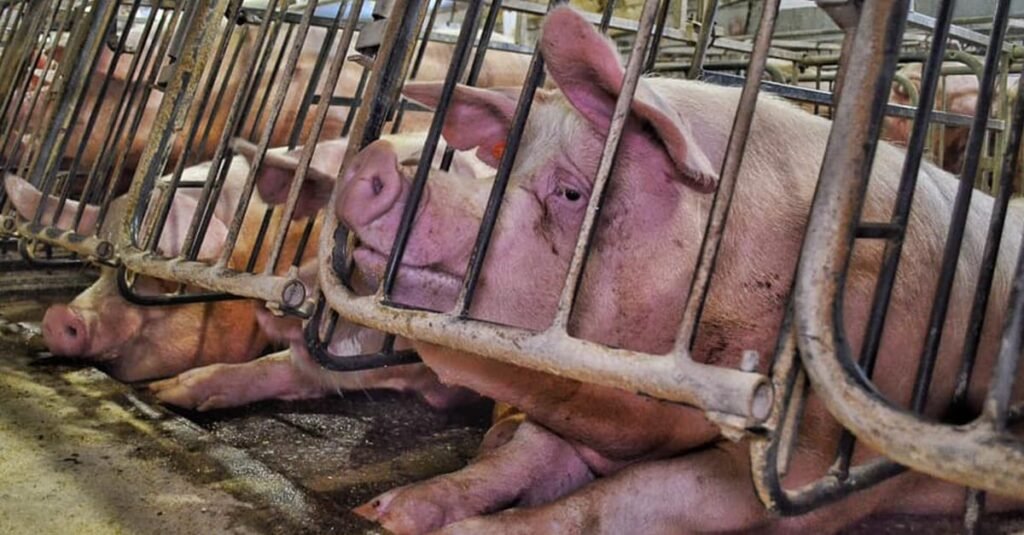
The SPCA, which supported a major petition calling for an end to “cruel imports,” says the public is largely unaware that imported pork often comes from systems illegal in New Zealand.
“New Zealanders care deeply about animal welfare, yet we continue to import products that are the result of cruelty that would be illegal here at home,” said SPCA Chief Scientific Officer Dr Arnja Dale.
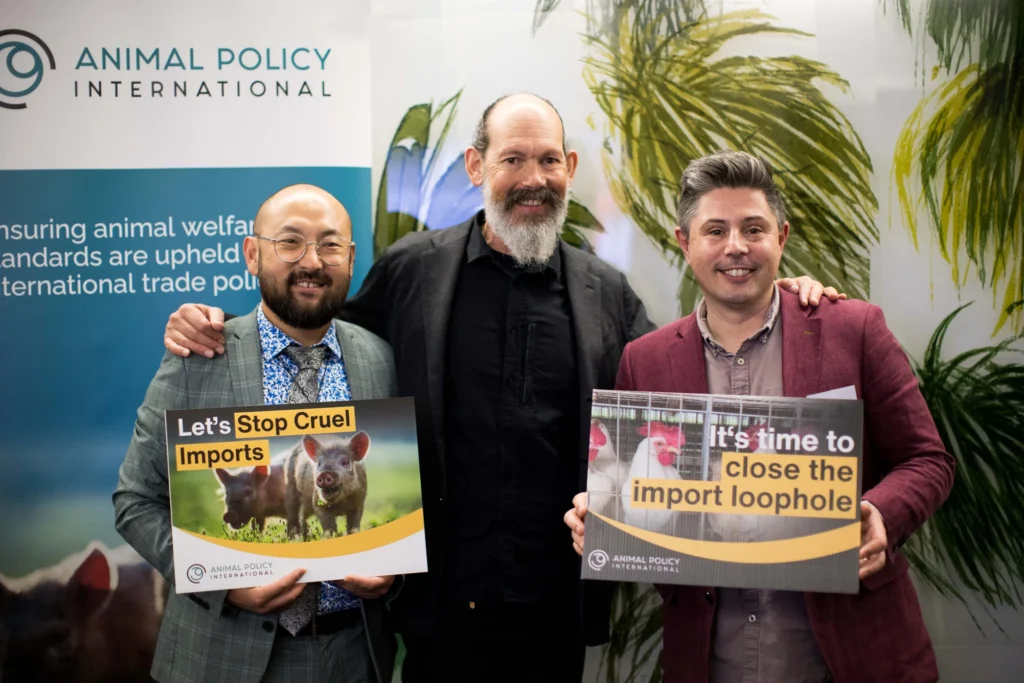
SAFE has also consistently backed aligning import standards with domestic law, speaking alongside SPCA, Animal Policy International, and farmers at the 2025 petition handover.
The pork industry has long argued that New Zealand farmers are being undercut by cheaper, lower‑welfare imports.
Industry group NZPork has warned producers are “struggling against a flood of lower‑welfare imports,” with more than 63% of pork consumed in New Zealand now imported — much of it from countries still using sow stalls and extended farrowing crate confinement. RNZ
Waikato farmer Walt Cavendish, who is transitioning to free‑range pork, says the current system is indefensible.
“For these family farming families, they’re trying to compete with product that would not be allowed to be farmed here,” he said.
While the Green Party is leading the legislative push, support is emerging across the political spectrum.
At a 2025 petition event, Labour MP Rachel Boyack said it was “unjust” that imports can come from systems banned in New Zealand and signalled Labour’s openness to reform.
National MP Grant McCallum also appeared at the event, signalling cross‑party interest in the issue.
Abel says he will continue seeking support from MPs across Parliament to bring the Bill before the House. With farmers, welfare groups, and parts of the pork industry aligned, the political pressure to close the welfare gap is now stronger than ever.