



By Mike Bain and Colin Ambler/cvnznews.com
The Government has confirmed plans for one of the largest restructures of the public service in decades, setting an “in‑principle” target to cut nearly 8700 full‑time roles by mid‑2029. The announcement has ignited an immediate political brawl, with Labour and the Public Service Association (PSA) accusing the coalition of gutting frontline services, while ACT and the Taxpayers’ Union argue the cuts don’t go nearly far enough.
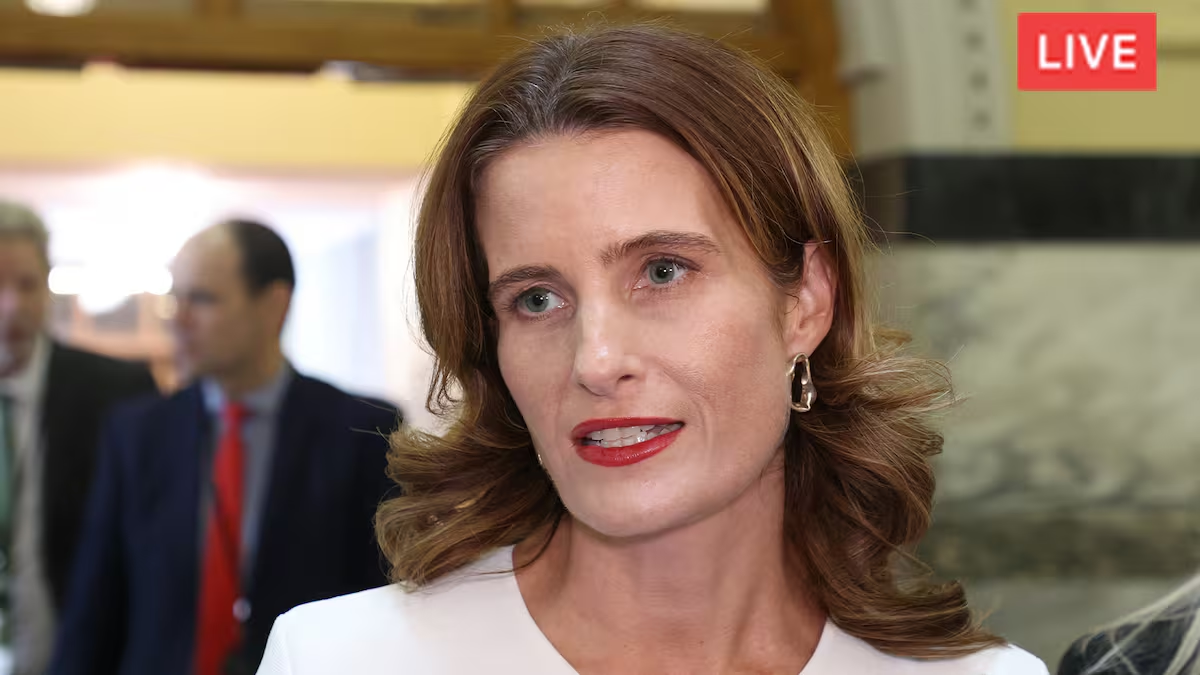
Finance Minister Nicola Willis unveiled the plan in a pre‑Budget speech to business leaders in Auckland, framing the move as a necessary correction after what she called an “explosion” in public sector hiring under Labour. Between 2017 and 2023, she said, the core public service grew from 47,250 to 65,700 roles — growth she argued was concentrated in “back‑office bureaucracy, policy analysts and consultants” rather than frontline workers.
Under the new target, the public service headcount will fall from 63,600 to around 55,000. Willis said the restructure — which includes agency mergers, tighter budgets and accelerated use of digital tools and AI — would save $2.4 billion over the forecast period. Those savings, she said, would be redirected into health, education, infrastructure, defence and policing.
Willis also pointed to international comparisons, noting New Zealand has 39 departments and ministries, far more than Australia, the UK or Finland. “We need a public service that is modern, focused and financially sustainable,” she said, insisting the cuts would not apply to teachers, nurses, doctors, police or defence personnel.
Labour leader Chris Hipkins rejected that claim outright, saying it was “impossible” to remove thousands of roles without hitting frontline services. He accused the Government of choosing austerity to fund “tax cuts for tobacco companies and property speculators”, warning the consequences would be felt in every community through longer waits and reduced access to essential services.
The PSA went further, calling the plan “an act of wilful destruction”. National secretary Duane Leo said the cuts would mean “lower quality, slower and fewer services”, and criticised the Government for linking AI adoption to job losses. He also warned that large‑scale mergers risked creating “more chaos, not efficiency”.
The Greens labelled the cuts “DOGE‑style libertarian fantasies”, with public services spokesperson Francisco Hernandez accusing the Government of chasing arbitrary headcounts instead of addressing structural tax issues. Labour’s Camilla Belich said the move would push unemployment higher at a time when families were already under pressure.
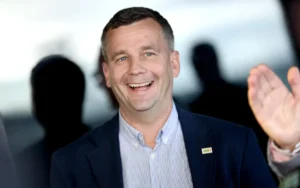
From the right, ACT leader David Seymour welcomed the cuts but said they were too slow and too modest. He argued the public service had grown “through thick and thin” and called for a smaller Cabinet and fewer departments. The Taxpayers’ Union echoed that view, saying 55,000 should be “the halfway mark, not the finish line”.
Public Service Minister Paul Goldsmith said reductions would be achieved through natural attrition, digitisation and consolidation, insisting the goal was a leaner, more productive system that delivers better value for taxpayers.