


By Colin Ambler/cvnznews.com
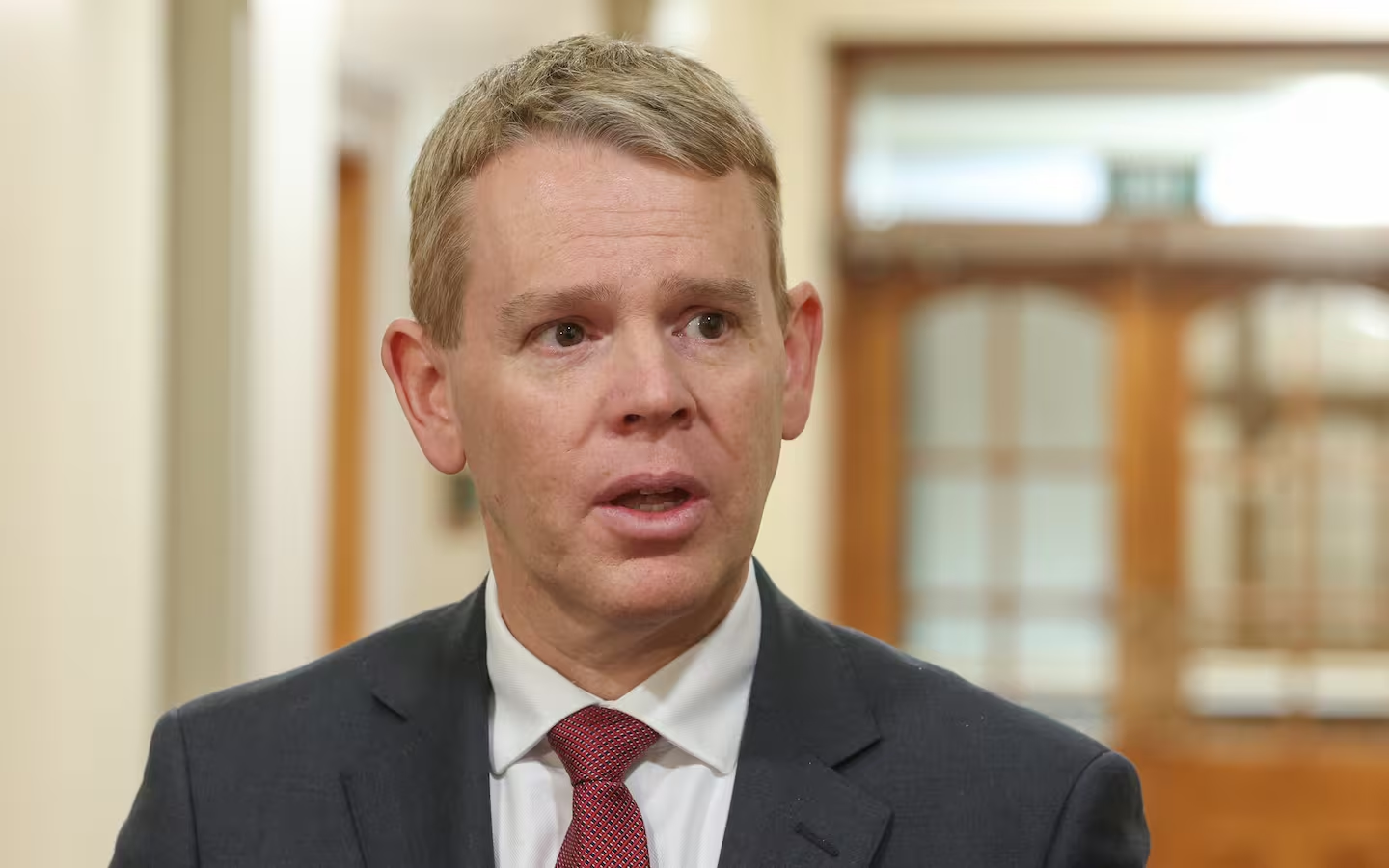
The political fight over Labour’s proposed New Zealand Future Fund has sharpened, with Labour leader Chris Hipkins insisting voters “don’t really care” about the policy’s missing details, while National’s Simeon Brown accuses Labour of hiding a multibillion‑dollar fiscal gap.
The Future Fund, unveiled last October, would redirect dividends from selected state‑owned enterprises (SOEs) into a long‑term investment vehicle aimed at supporting New Zealand businesses. But Labour has refused to identify which SOEs would be included until after the election, citing the need for official advice.
Hipkins defended the lack of clarity, arguing the public is more interested in Labour’s commitment to keeping state assets in New Zealand ownership than in the specifics of which companies might be involved. “I don’t think the public really care which companies are going to go in or not,” he said, framing the debate as a choice between Labour’s approach and what he claims is National’s appetite for asset sales.
National has not released its asset policy for the next term, though it has previously ruled out sales in the short term.
Pressed repeatedly on how Labour could estimate the fund’s revenue without knowing which SOEs would be included, Hipkins said Budget forecasts would provide a guide. He acknowledged Labour already had “an idea” of the revenue that could be transferred but would not name the entities.
Labour finance spokesperson Barbara Edmonds earlier said the party could not release a list because some SOEs carry Treaty of Waitangi obligations, including rights of first refusal. She said a future Labour Government would need formal advice before making decisions.
Hipkins echoed that, adding that some SOEs are publicly listed and subject to market disclosure rules.
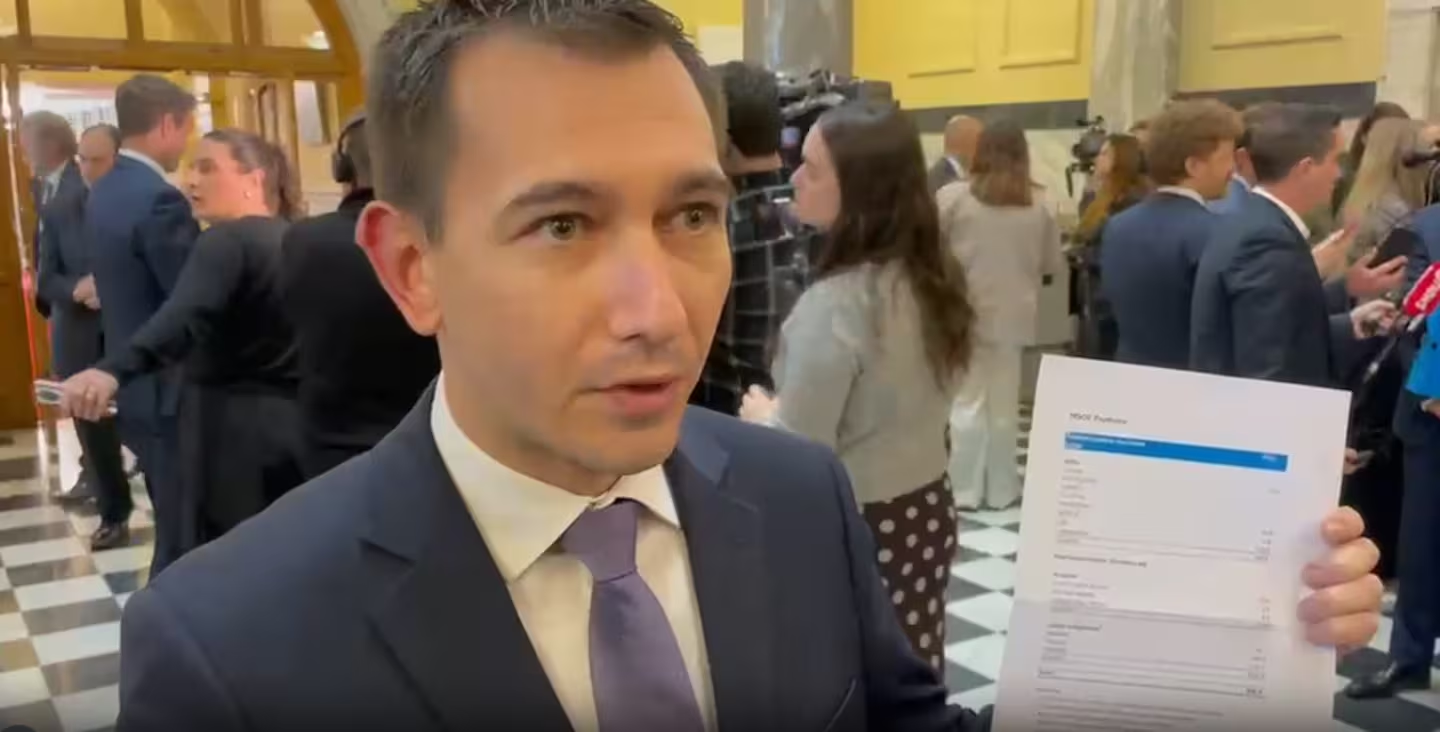
National’s campaign chair and SOEs Minister Simeon Brown said Labour’s explanations were evasive and unacceptable. He argues SOE dividends — which he says total $688 million annually — currently support frontline services such as schools, hospitals and police. Redirecting them into the Future Fund would leave a revenue hole Labour must account for.
“That’s money that’s not going to go towards schools, hospitals and police,” Brown said. “He’s going to either have to cut frontline services or increase taxes or borrowing.”
Brown also criticised Labour’s reference to Treaty obligations, saying the party was using the Treaty as a political shield rather than providing transparency.
With Labour refusing to name the assets and National demanding answers, the Future Fund is shaping up as one of the election’s most contested fiscal battlegrounds.