



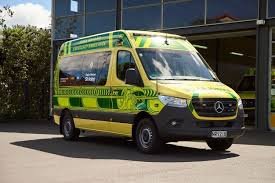
By Colin Ambler/cvnznews.com
More ambulance crews, upgraded technology and bolstered frontline support will strengthen emergency response across New Zealand, Health Minister Hon Simeon Brown and Associate Minister Hon Casey Costello say, as the Government moves to lock in immediate improvements for patients and staff.
“When New Zealanders call an ambulance, they need confidence that they will get the help they need quickly and that frontline crews have the support and resources they need to respond,” Mr Brown said. “Demand for ambulance services continues to grow across the country, which is why we are focused on strengthening the workforce, infrastructure, and technology needed to support modern, reliable emergency care.”

Minister of Health
Budget 2026 allocates $35 million over four years to strengthen road ambulance services and deliver a package of immediate measures. The funding will support:
- Two new ambulance hubs in Auckland, including one confirmed for South Auckland.
- Deployment of an electronic Patient Clinical Record (ePCR) system.
- Additional training support for ambulance communications centre staff.
- Expanded clinical welfare checks for patients.
The Budget investment sits alongside increased funding from Health New Zealand and ACC for road ambulances, with the total package to be finalised as part of the next four‑year contract negotiations. Since 2023, Health New Zealand and ACC have already provided an additional $77.7 million, bringing total road ambulance funding to $452 million for 2025/26.
Workforce, volunteers and smarter triage
The additional funding will enable more frontline ambulance crews and 111 call handlers, and strengthen recruitment and retention of ambulance volunteers — a critical priority in rural and high‑deprivation communities. An enhanced clinical hub will provide telephone clinical advice to help resolve more patient needs without dispatching an ambulance, allowing crews to focus on higher‑acuity emergencies.

Associate Minister of Health
Associate Minister Costello highlighted the scale of the challenge: emergency ambulance demand is expected to rise by 95,000 incidents over the next four years, to an estimated 735,000 incidents. “This additional investment is critical to ensuring ambulance services can continue putting more crews on the road to meet growing demand, while maintaining safe and efficient services for communities across New Zealand,” she said.
The Government expects the combined measures to reduce avoidable emergency department transports by around 23,000 each year by 2029/30, while improving service delivery infrastructure and resilience.
Public backing and political context
An online poll on Stuff published today indicated strong public support for government funding of St John, with 91 percent of respondents agreeing the government should fully fund the service. The poll result underscores public expectations for reliable, publicly supported emergency care; readers are advised to confirm the poll details with the original source.
Mr Brown framed the investment as part of a broader commitment to health system basics and future readiness. “This investment is about fixing the basics and building the future — strengthening ambulance crews’ ability to respond quickly and deliver safe, effective care, and ensuring services are well equipped to meet growing demand,” he said.
The Budget 2026 measures build on recent funding increases and aim to translate record staffing levels and faster response times for the most serious emergencies into sustained, nationwide improvements in ambulance capability.