



By Sarah McMillan/cvnznews.com
New Zealand will see its first new marine reserves in more than a decade come into force on 1 July, with five protected areas along the Otago coast now officially confirmed.
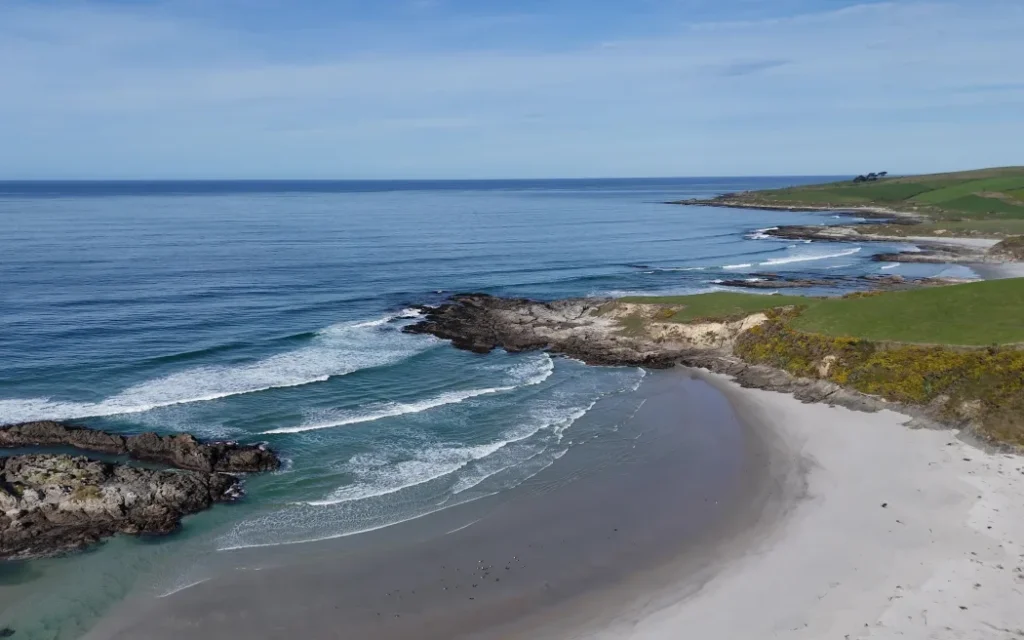
The network, named Te Au Roa o Te Rakihouia by Kāi Tahu and the Department of Conservation, covers 307 square kilometres of coastal waters — a major milestone for a region that had previously been the only part of the country without any marine protected areas.
WWF-New Zealand is calling the decision a “long‑overdue step forward.” Conservation Impact Manager Jamie Fowler says the new protections will be “game‑changing” for some of the country’s most threatened species, including hoiho (yellow‑eyed penguin), pakake (New Zealand sea lion), and tutumairekurai (Hector’s dolphin).
The reserves will also protect key biogenic habitats such as kelp forests and bryozoan beds — ecosystems that support sponges, anemones, and juvenile fish, and are considered essential for long‑term ocean health.
The path to implementation has been slow. Six reserves were originally approved in October 2023, but progress stalled after the Otago Rock Lobster Industry Association launched legal proceedings. As a result, one site — the Te Umukōau Marine Reserve — will undergo limited boundary reconsideration. The remaining five reserves, however, have now been gazetted and will take effect from 1 July.
WWF-New Zealand, which joined the legal process to support the establishment of the reserves, says the outcome reflects years of work by mana whenua, scientists, conservation groups, and local communities. Fowler says the co‑management approach recognises Kāi Tahu’s deep connection to the region’s marine environment.
Despite the progress, less than one percent of New Zealand’s marine environment is currently highly protected. Fowler says the new reserves should be seen as a catalyst rather than a conclusion: “If we’re serious about reversing biodiversity loss, we need to build on this momentum and work toward protecting at least 30 percent of our ocean.”
The five confirmed reserves were formally gazetted on 28 May.