


By Colin Ambler/cvnznew.com
Health Minister Simeon Brown has announced that paramedics will soon gain prescribing rights, a move he says is designed to improve access to timely healthcare and ease pressure across the wider health
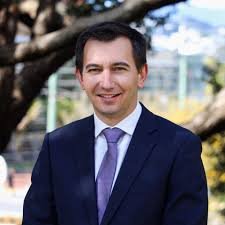
system. Brown said the decision reflects the growing role paramedics play in frontline care and the need to ensure New Zealanders can receive treatment faster, particularly when primary care is stretched or difficult to access.
The Minister said appropriately qualified paramedics will be able to prescribe a limited range of medicines under a regulated framework, helping reduce delays for patients who currently rely on GPs or urgent care clinics for routine treatments. Brown emphasised that the change is aimed at strengthening community‑based care, improving patient flow, and ensuring people receive the right treatment at the right time.
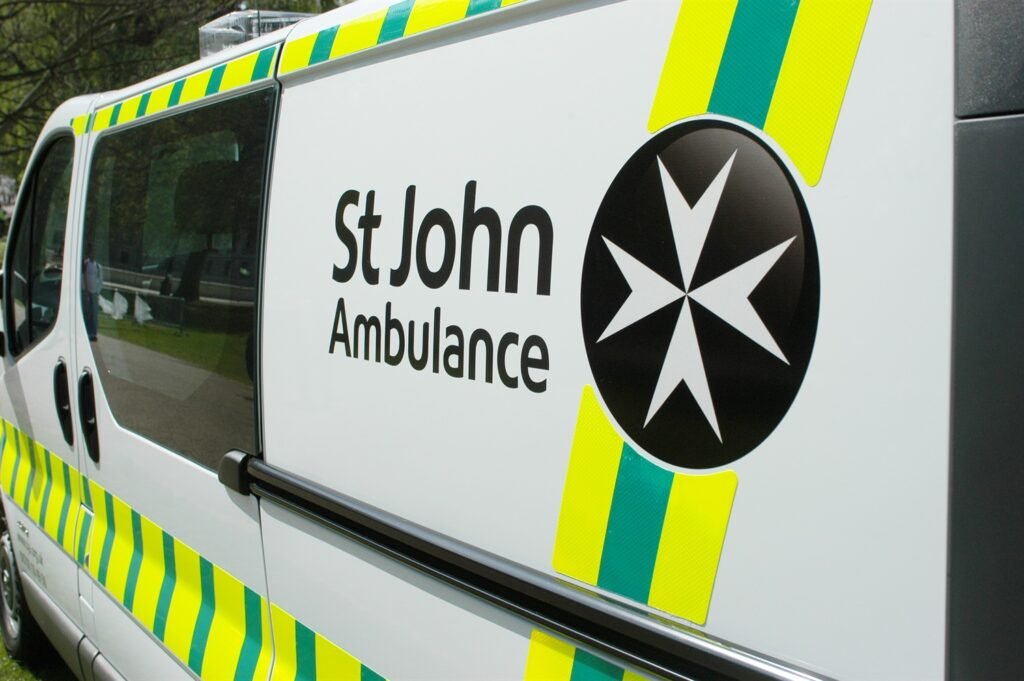
Hato Hone St John has welcomed the announcement, calling it a significant step forward for both the profession and the public. Deputy Chief Executive of Clinical Services Jon Moores said paramedics already deliver highly skilled care around the clock, and prescribing rights will allow them to treat more patients safely and efficiently.
“Enabling appropriately trained paramedics to prescribe medicines has the potential to improve access to treatment, particularly for people who face barriers to accessing primary or urgent care,” Moores said. He noted that prescribing could reduce treatment delays, improve patient experience, and support a more integrated health system.
However, St John stressed that successful implementation will require investment in training, clinical governance, medicines management and safeguards to ensure prescribing is used appropriately. The organisation also wants reassurance that the change will not unintentionally increase demand on ambulance services from people seeking primary care alternatives.
Moores said practical and financial considerations must be addressed, including workforce development and the costs associated with carrying and supplying medicines. He also warned that prescribing alone will not solve access issues if patients still struggle to reach a pharmacy—particularly in rural communities.
St John says the greatest benefit will come from extended care paramedics working in urgent and unplanned care, palliative care, and underserved communities, where prescribing can directly support treatment in the home.
The organisation will now work with the Ministry of Health and sector partners as the prescribing framework is developed.