


Mike Bain/cvnznews.com
Labour has unveiled its first major policy of the 2026 election campaign, pledging to cap weekly public transport costs at $20 in Auckland, Wellington and Christchurch, and $10 across the rest of the country. But the party is refusing to say which transport projects or programmes would be trimmed to fund it.
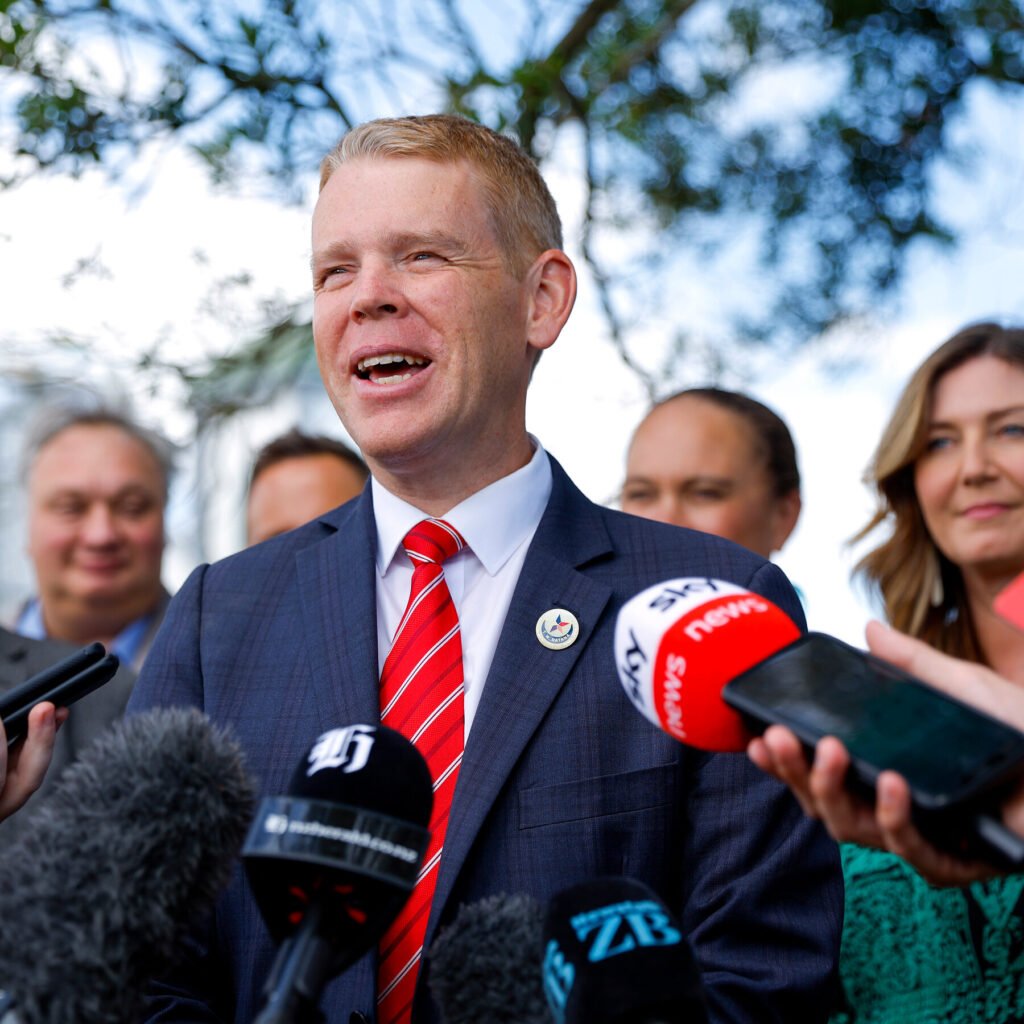
With the election now five months away, the announcement ends Labour’s long policy drought after leader Chris Hipkins said the party would wait until after the Government’s Budget before revealing its platform. Hipkins launched the policy at an Auckland train station late Wednesday morning.
Under the plan, once a commuter hits the weekly cap, all further travel that week would be free. Labour claims the policy would save the average public transport user around $25 a week, or $1200 a year.
The party says the scheme would cost $65 million annually, funded from the National Land Transport Fund (NLTF) — the same pool that pays for roads, rail, safety upgrades and public transport operations. Labour’s policy document notes the cost is “less than 1%” of the NLTF, but does not explain where that money would be reallocated from, or whether any existing projects would be delayed or cancelled.
The cap would not apply to all services. Inter‑regional routes such as Te Huia, the Capital Connection, the Mainlander and InterCity buses are excluded, along with “cash‑only” bus networks like those in Marlborough. Some ferries — including Wellington’s East‑By‑West, Lyttelton’s Diamond Harbour service and Auckland’s inner‑harbour routes — would be included.
Labour transport spokesman Tangi Utikere says families are being “priced out” of public transport and need certainty about weekly costs. “Under Labour’s weekly fare cap, people will know exactly what the maximum cost of getting around will be each week.”
The party argues that major city networks have enough spare capacity to absorb increased demand, particularly off‑peak.