


Mike Bain/cvnznews.com
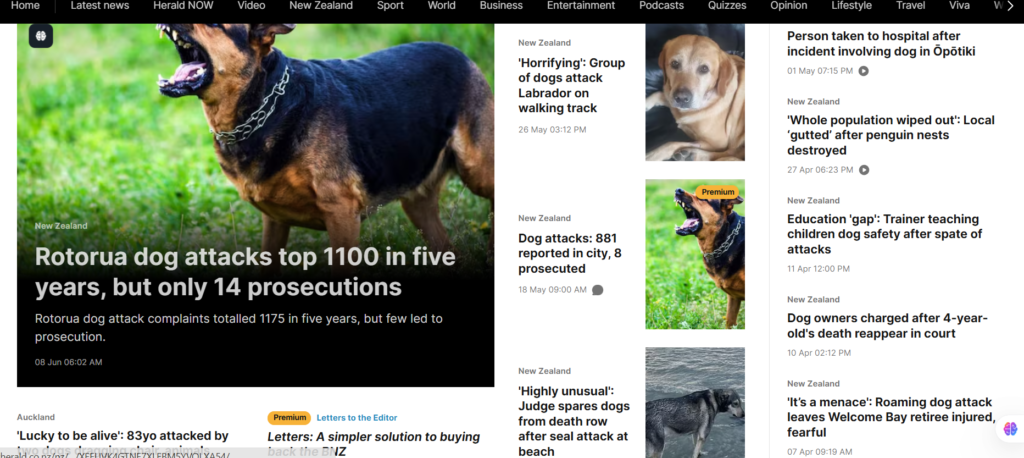
Roaming dogs have turned from nuisance into menace. The front pages in towns from Rotorua to Ōpōtiki read like a roll call of small disasters: packs on walking tracks, toddlers chased from playgrounds, pensioners mauled in their own gardens, and reports — whispered and shared — of a person in a wheelchair attacked on a suburban path.
Each story is a splinter in the city’s calm. People stop letting children run ahead; joggers change routes; grandparents avoid the park at dusk. The problem is not only teeth and claws. It is owners who shrug, fences that sag, leashes left in the shed, training skipped because life is busy or because “he’s only a mutt.”

Councils hold meetings. They issue statements. They promise reviews and community education programs while the next headline lands and the next victim counts the cost.
Meanwhile, across the Tasman, Queensland’s blunt experiment offers a different script: tighten the law, narrow discretion, and when a regulated dog attacks again, the statute leaves little room for mercy.
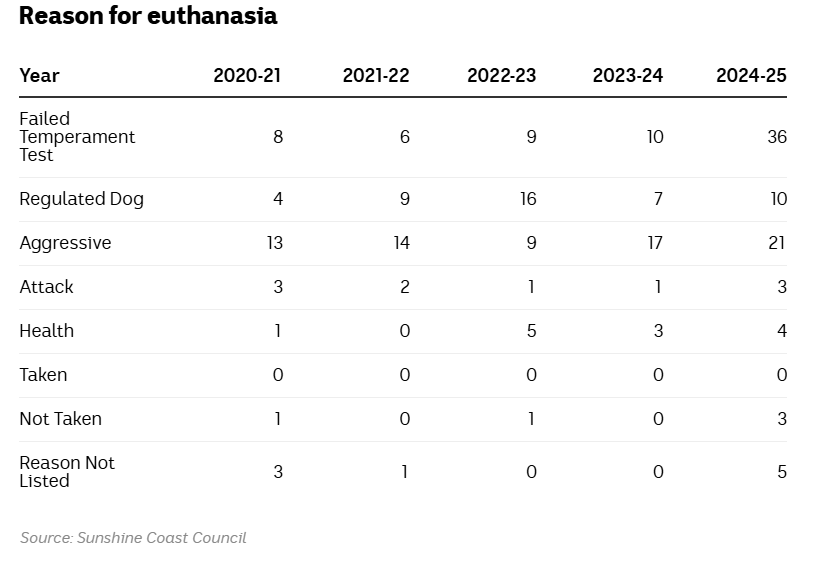
The result there was stark — euthanasia numbers climbed sharply after the change. For some, that climb reads like proof: decisive law, fewer unknowns, a cleaner ledger of risk removed. For others, it reads like a moral shortcut that punishes animals for human failure.
Imagine a city where a single rule cuts the debate short: a repeat serious attack, and the dog is destroyed. To some, that is relief — a promise that the next headline will not be someone’s life. To others, it is a guillotine that falls without asking why the dog was loose, why the owner failed to train or contain, why a fence was broken or a call for help ignored. The cruelty, critics say, is not in the law but in the neglect that made the law necessary.
The truth sits ugly between the two positions.
Dogs are dangerous when they are allowed to be. Owners who fail to train, to socialise, to secure, to seek help when behaviour changes, are the common denominator in too many of these stories.
Euthanasia statistics climb because councils are forced to act on the consequences of that failure. So when we ask whether Queensland’s hard line is the answer for New Zealand cities, the sharper question is this: are we punishing the wrong end of the collar?