


Sarah McMillan/cvnznews.com
New Zealand will struggle to fix its overcrowded hospitals unless it strengthens primary care, says one of the country’s most influential GPs, Dr Bryan Betty. As he steps down as Chair of General Practice New Zealand and prepares to join the Health New Zealand Board, Dr Betty warns the country is at a “pivotal moment” in how it plans and delivers healthcare .
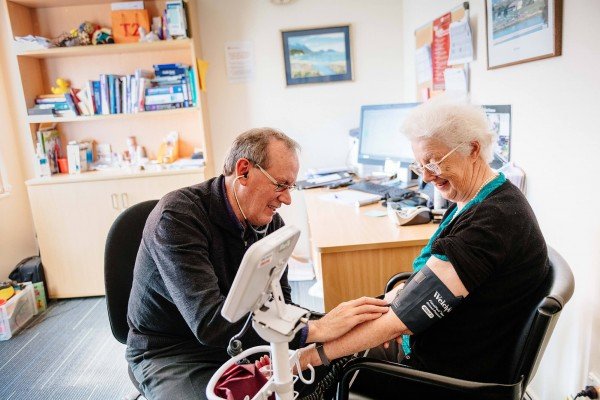
After 35 years as a GP — including two decades serving Cannons Creek, one of the nation’s most deprived communities — Dr Betty says the system still treats hospitals and general practice as separate worlds. “They’re one system. When one part is under pressure, it simply shifts somewhere else,” he says. With an ageing population, rising chronic conditions, and more care shifting into the community, general practice is now delivering iron infusions, complex skin procedures, and long‑term condition management once handled in hospitals.
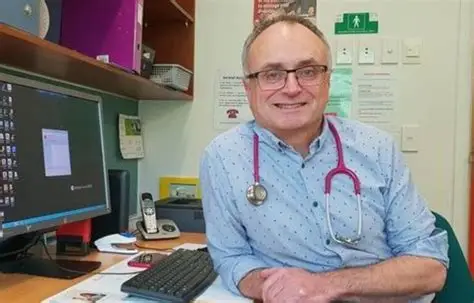
Despite this shift, investment has lagged. Primary care receives a small portion of total health funding, yet its impact is enormous — something made clear during COVID‑19 when GPs kept the system functioning under extreme pressure. Dr Betty welcomes the government’s recent $120 million boost and long‑awaited capitation reweighting, calling it “the most significant reform in many years,” but says it still falls short, particularly in addressing inequities for Māori and Pasifika patients.
Yet while Betty’s warning is stark, other voices in the sector say the country is beginning to turn a corner.
ThePHO — now New Zealand’s second‑largest primary health organisation — recently highlighted how strengthened partnerships and modernised practice support are helping build a more sustainable future for community healthcare. Leaders there argue that multidisciplinary teams, including nurse practitioners, pharmacists, and paramedics, are already improving access and easing pressure on GPs.
Grassroots movements like Hīkoi 4 Health have also reported growing public engagement and fresh ideas for reimagining the health system, noting that communities are increasingly demanding earlier, more local care rather than relying on emergency departments.
Even within government, senior clinicians point to early signs of stabilisation. Several PHOs report improved patient access following recent funding changes, and rural practices say targeted investment is beginning to address long‑standing inequities.
For Dr Betty, the next decade hinges on designing one connected system rather than isolated parts. But across the sector, there is cautious optimism that New Zealand is finally beginning to build the integrated care model long promised — and urgently needed.