

Author: Michael Swanson

Michael Swanson
Michael describes himself as a Political Tragic now with a PhD in political nerdology. Researcher/Writer in New Zealand Politics, focused on our political institutions, public policy, and parties and elections (not just in New Zealand).

Opinion: Michael Swanson. I have, for a long time, had a real problem. I can’t help but comment on social media. I get into scraps, make sarcastic remarks, and generally get dragged into the absolute shit-show that is social media comments sections. There was a time when disagreeing with someone online meant, at minimum, forming an argument. These days it’s often enough to slap a red angry-face reaction under a headline you haven’t read and move on with your afternoon. Late last year the Oxford English Dictionary named “rage bait” its word of the year, defined as content deliberately designed…

Michael Swanson. A quick disclaimer before starting: I’m not a Tiriti ō Waitangi or Waitangi Tribunal expert. What follows is more a political analyst/public policy academic’s take, an attempt to lay out what the Tribunal actually is, why it was created, where the current criticisms are coming from, and what ACT’s newly announced policy would actually change. Treaty policy is contested terrain in Aotearoa New Zealand, so this is meant as an explainer (or at least my observations) rather than an argument for any side of it. What the Waitangi Tribunal actually is The Waitangi Tribunal (Te Rōpū Whakamana i…
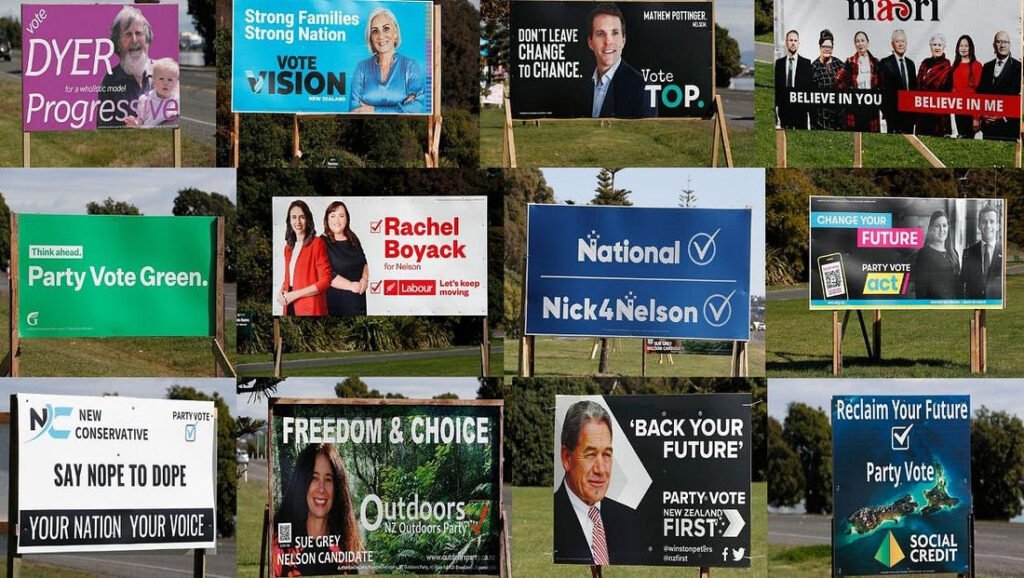
OPINION: Michael Swanson Every three years, without fail, New Zealand’s roadsides sprout a familiar crop. Corflute signs on wooden stakes, giant faces grinning out from motorway verges, slogans that could have been written any election since 1990. Billboards are as much a part of our election cycle as the leaders’ debates and the inevitable “who won” arguments the next morning. But stand back for a second and ask the obvious question: what are they actually for? And more importantly, are they worth it? I’ll be upfront about where I land on this. I think billboards are largely a waste of…
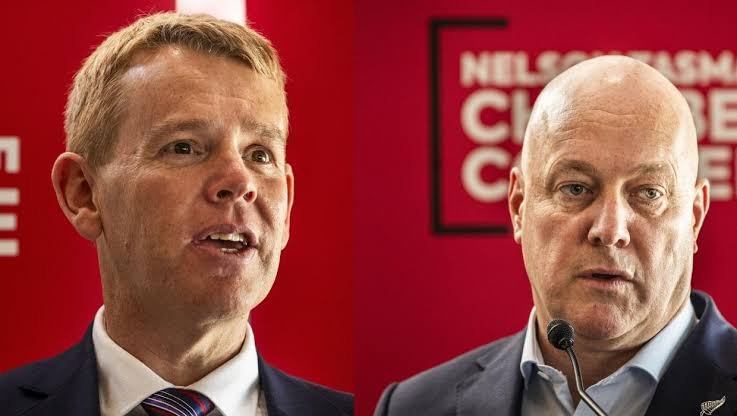
OPINION: Michael Swanson. With the 2026 election drawing closer, both major parties have settled on a strategy that tells you almost as much about the state of New Zealand politics as it does about either party’s actual plans for the country. Labour and National are both playing small target politics: say as little as possible, offer as few policies as possible for the other side to attack, and hope the electorate punishes your opponent more than it rewards you for actually standing for something. RNZ’s coverage of the campaign has described Labour’s approach as deliberately cautious, avoiding “policy announcements that can…
OPINION: Michael Swanson On Friday I sat down with the Vote2026 Team at the University of Otago, a student-produced series of interviews with politicians and political commentators running in the lead-up to the 2026 election. One of the things we spent a good chunk of time on was low voter turnout amongst young people, an issue that keeps resurfacing every election cycle without ever really being solved. It felt worth setting some thoughts down properly. The scale of the problem The numbers this year are stark. As of late July, according to the Electoral Commission, only around 53-54% of 18…

OPINION: Michael Swanson The Opportunity Party has never been short on ambition, but its 2026 “Tax Reset” is pretty ballsy for a party yet to enter Parliament. Rather than nudging the tax system in a new direction, Opportunity has proposed rebuilding it from the ground up in one go: a Citizen’s Income for every adult, a compulsory Kiwisaver 2.0, and, funding the whole thing, a brand new Land Value Tax. It is bold, it is coherent as a package, and it has generated exactly the kind of reaction you would expect from asking New Zealanders to swallow the entire menu at…
OPINION: Michael Swanson Every three years, New Zealanders fill in two ticks on their ballot paper. One is a party vote, which decides how many seats each party gets in the House of Representatives. The other is an electorate vote, which decides who represents your local patch. As the Electoral Commission explains, the party vote is what largely determines how many total seats each party gets, while the electorate vote is about choosing who represents the area you live in. It is a system designed to give voters the best of both worlds: a proportional Parliament and a local face to…
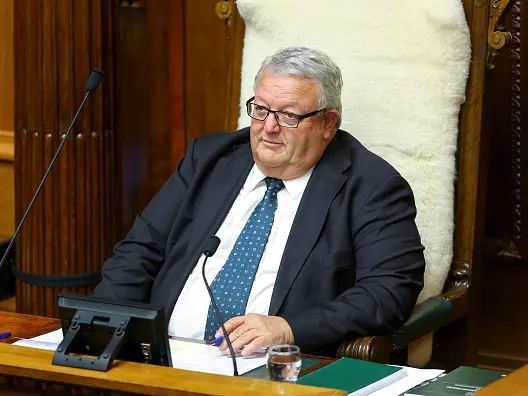
OPINION: Michael Swanson With the election drawing closer, one of the quieter but genuinely consequential questions hanging over the new Parliament is who will sit in the Speaker’s chair. It is not a question that gets the same attention as who becomes prime minister, but it shapes how the House runs for the next three years, and this time round there are more moving parts than usual. The party vote seat problem I recently wrote about the party vote problem facing National, and how this problem could reshape the list rankings that determine which MPs actually make it back to…
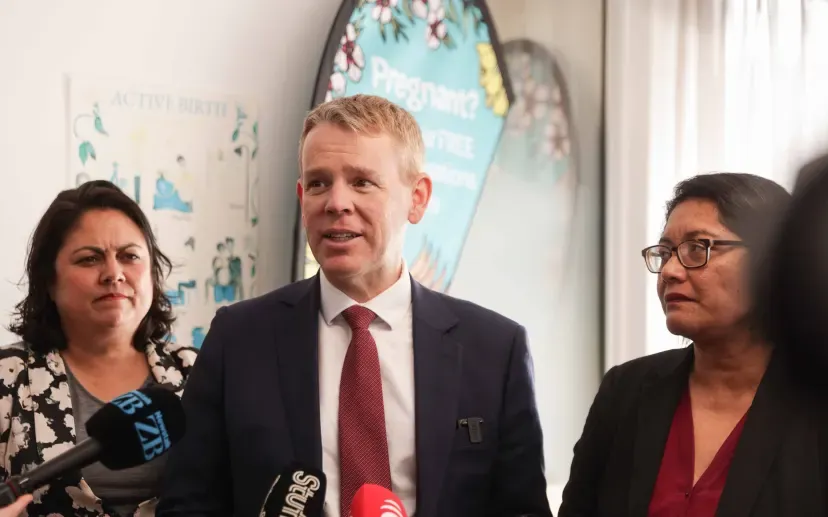
OPINION: Michael Swanson When the polls closed on election night in 2023, Labour had been reduced from a governing majority to a rump of 34 seats and 27 percent of the vote, its worst result in a generation. Three years on, and with the country heading back to the polls in November, Chris Hipkins finds himself leading a party that has spent the second half of this term (at least) ahead of National in the published polls, and, for stretches of 2025 and early 2026, comfortably so. On the numbers alone, it looks like one of the more remarkable turnarounds…
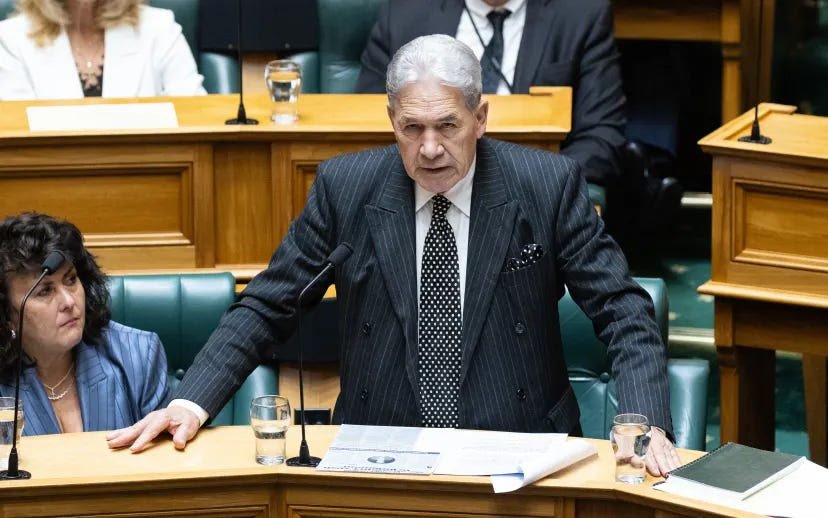
OPINION: Michael Swanson. Anyone who has watched New Zealand politics over the past few weeks will have noticed something about the tone. It isn’t just policy. It’s language. Deliberately sharper, deliberately more provocative, and deliberately aimed. I’ve spoken about this a few times in the media, including with Wallace Chapman and The Panel (RNZ), and my message each time has been the same: this is not a passing phase. It is a considered tactic, and it is going to keep going right through to November. A pattern, not a slip I’m sure no-one reading this missed the news about Winston…
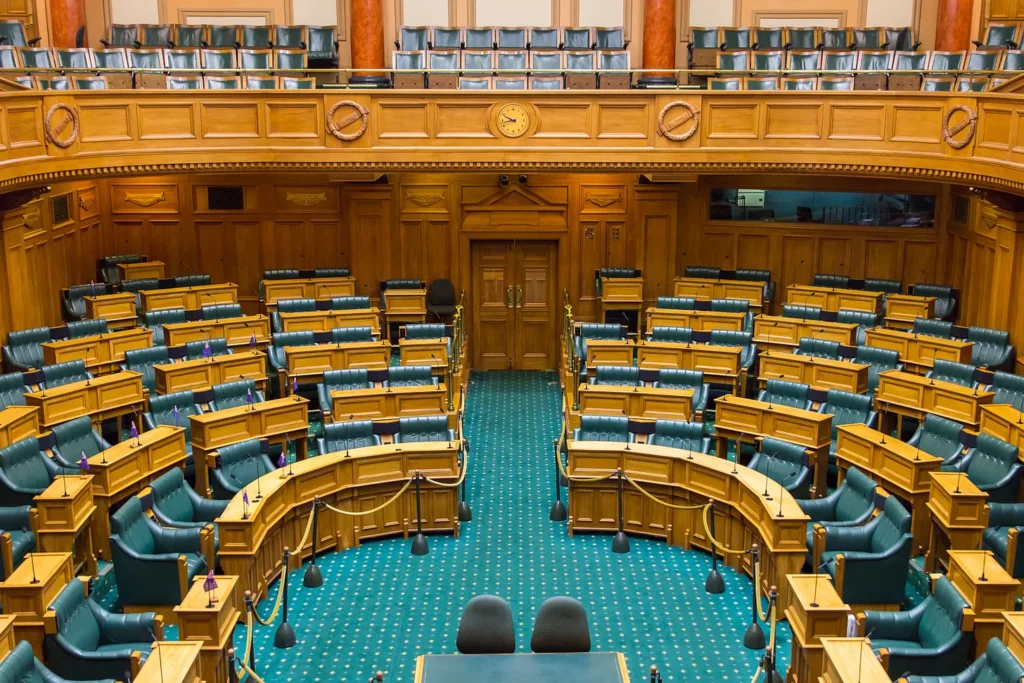
OPINION: Michael Swanson Every sitting day in the New Zealand Parliament, when a contested vote is called, MPs do not usually troop into division lobbies to be counted one by one. Instead, a single person from each party stands and calls out a number. That person is the party whip, and the number they call is not a suggestion. It is, in effect, the whole party voting as one. For a country that prides itself on representative democracy, it is worth asking whether this system hands too much power to party managers at the expense of the individual MPs New…
OPINION: Michael Swanson I asked AI to model the 2026 General Election Last Friday night, when I was sat on the couch watching Wheel of Time (because I am a cool guy), I was looking at some commentary around polls-of-polls and the models used to develop these, and it got me thinking…if I asked AI to set out a model for predicting the 2026 New Zealand General Election, what result would it give me? So I asked four different AI tools (Claude, Gemini, ChatGPT and Perplexity) to do this very thing, and the results were a mixture of interesting and…
OPINION: Michael Swanson. Incremental change, critical junctures, and the impact of path dependency. New Zealand occupies a curious position in the global democratic landscape. It is routinely ranked among the world’s most stable, transparent, and effective democracies, yet its institutional architecture rests on foundations that are, by comparative standards, remarkably thin. There is no written constitution. Parliament is supreme. A single legislative chamber, elected under a proportional system adopted barely three decades ago, makes decisions that in other countries would require supermajority votes, constitutional amendments, or federal negotiations. The question facing New Zealand is not whether its institutions will change…
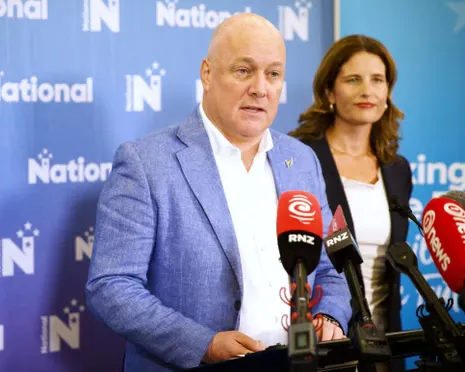
OPINION: Michael Swanson Note: I wrote this just before the latest polls, so doesn’t take into account the latest from Curia of Freshwater After whipping around all the other parties currently in contention for the election in, I’ve arrived at the last one…the National Party.The National Party enters the campaign in a more precarious position than anyone in its ranks would have anticipated when it swept to power in October 2023. Having won government with 38% of the party vote and built a three-way coalition with ACT and New Zealand First, the party now finds itself polling significantly below that…
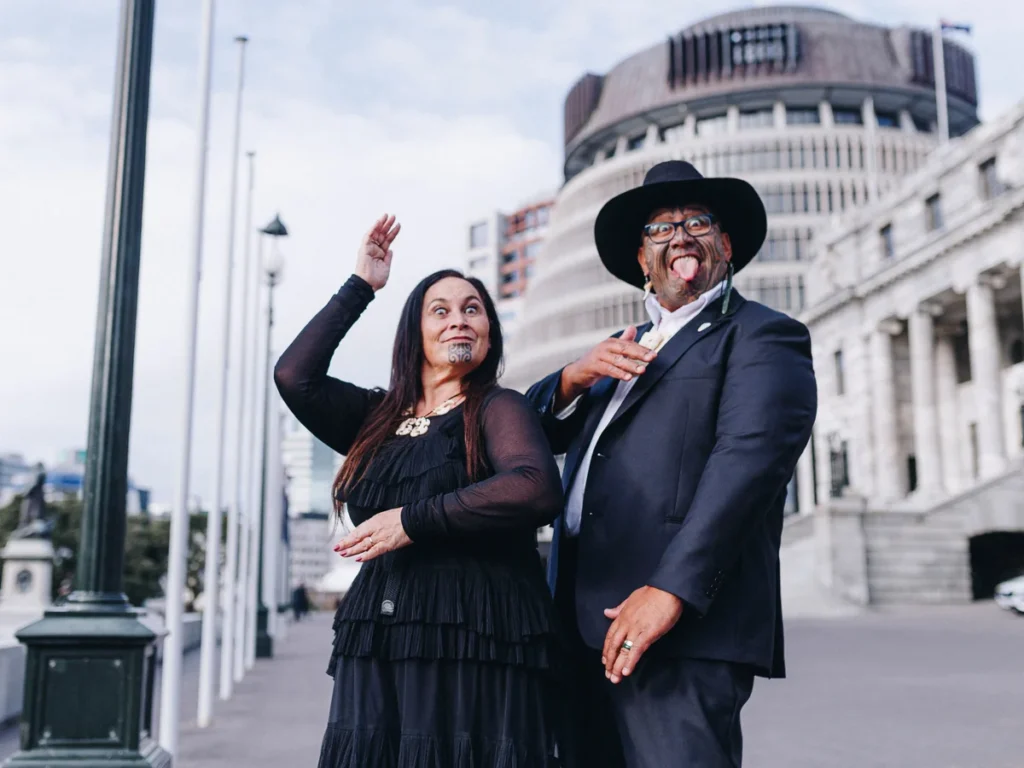
Opinion: Michael Swanson. I’ve now covered four of the six parties (National still to come) in the New Zealand Parliament, plus TOP (and a piece on the micro-parties), as part of taking a look at the position of each party approximately five-six months out from the election. In this piece, I’m going to take a look at Te Pāti Māori. Now, I’m usually pretty cagey around Māori politics more generally because, to put it frankly, I don’t feel I’m best placed to give the view from the point of someone with deep understanding in this space. But, in the interest…
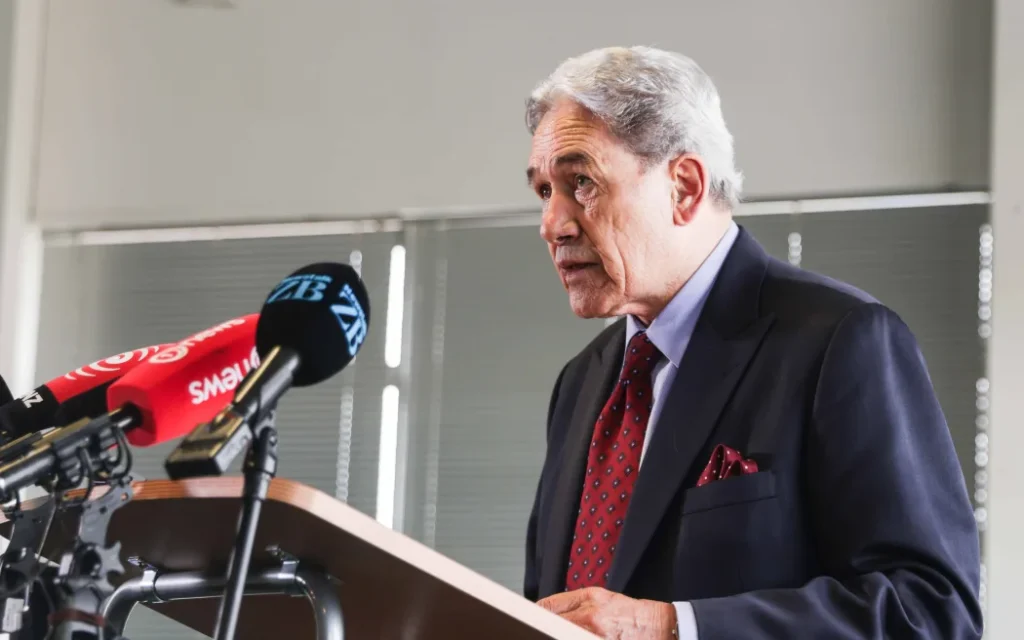
OPINION: Michael Swanson. So far I’ve written about ACT, the Greens, TOP, and Labour as we look towards the November general election. Today, I’m going to have a brief look at how New Zealand First are positioned as we continue rolling towards election day. Six months from polling day, New Zealand First finds itself in the most commanding pre-election position it has occupied in years, polling well above its 2023 result, fielding experienced new candidates, and projecting an air of calculated aggression toward its own coalition partners. The party that historically struggles in its third year of government is, for…
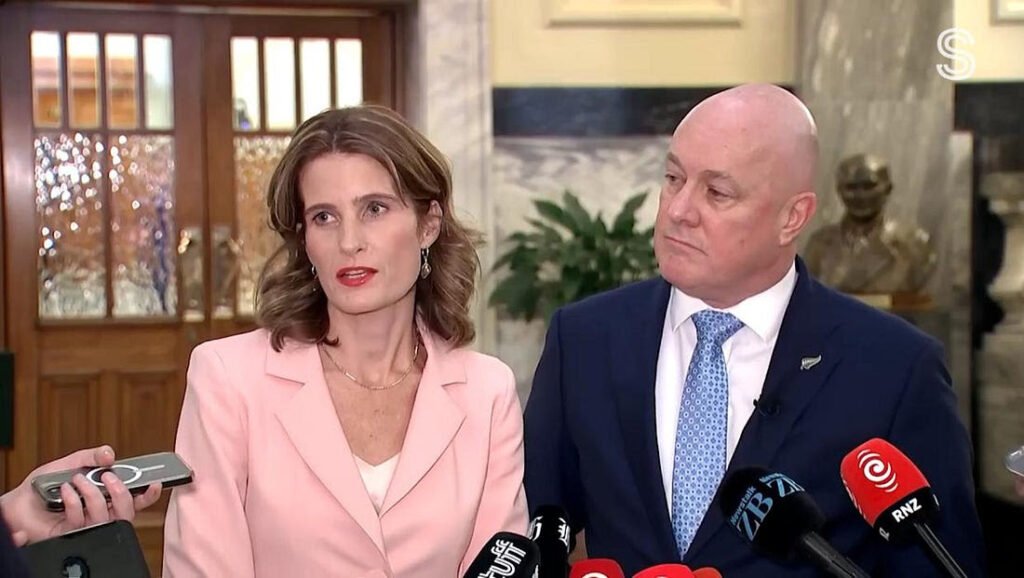
By Michael Swanson. With the November election now firmly in view, Finance Minister Nicola Willis delivered a Budget that didn’t follow the traditional election-year playbook and in doing so, placed a very large bet on New Zealand voters. No targeted tax cuts. No headline handouts designed to nudge polling numbers in the right direction. Willis preached prudence and discipline, with no “sugar hits” for voters, instead focusing on some directly targeted spending with a laser focus on reaching surplus earlier than forecast. It was, as Prime Minister Christopher Luxon himself framed it, a “grown-up” Budget. Whether voters agree with that…
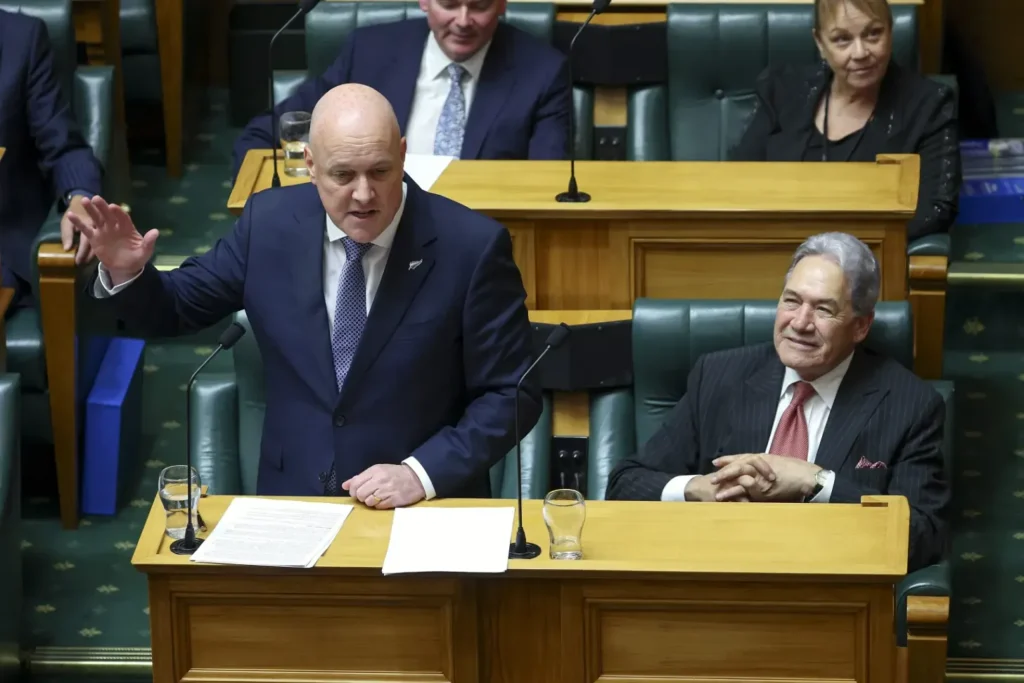
OPINION: Michael Swanson. After being all about budget, budget, and more budget over the past fortnight…I decided to look at something a little different. Question Time. Or, more importantly, whether Question Time is actually doing the accountability thing in the way it is supposed to. For most people it isn’t exciting, in fact some will roll their eyes and just move on. But it is a major spoke in the wheel of accountability that I believe is needs a major overhaul to actually be effective. That thing is Question Time – you know, the only bit of Parliament most people…
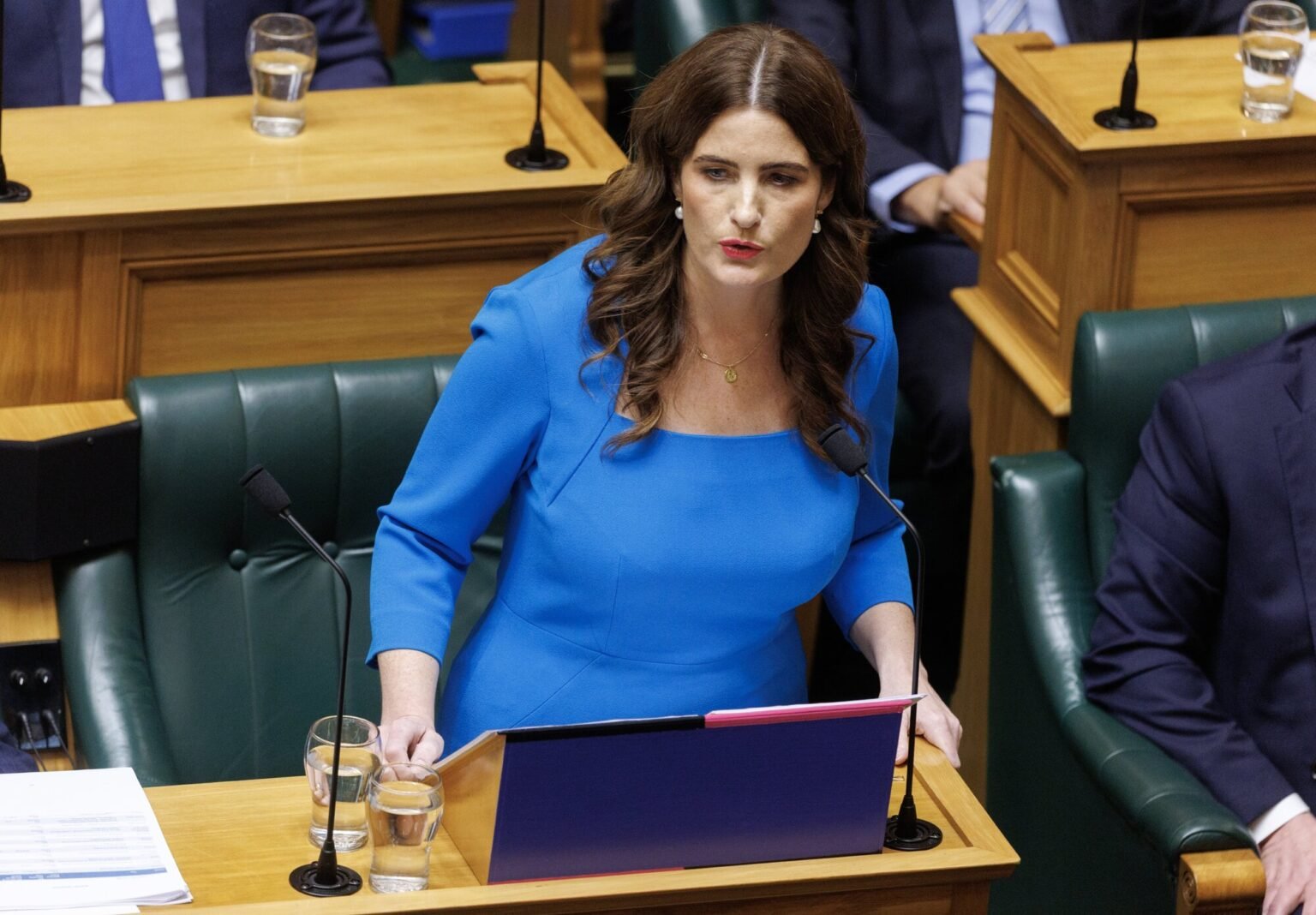
By Michael Swanson. Budget Day in New Zealand is one of the most choreographed events in the political calendar. While the government spends months crafting its fiscal plan in careful secrecy, the opposition must prepare for a moment when they are handed thousands of pages of documents, often with only hours to react publicly, and a parliamentary debate beginning the same afternoon. The challenge is enormous, and how parties handle it reveals a great deal about their political competence and strategic priorities. The Lockup: A Race Against the Clock The lockup is where journalists reporting on the Budget get locked into…

OPINION: Michael Swanson. We vote every three years, and then, for most of us, democracy largely goes on without us. Most people find themselves watching from the sidelines as elected politicians (often heavily whipped along party lines, donor interests, and the noise of the news cycle) make decisions that shape our lives. It’s a system that works well enough, until it doesn’t. And increasingly, on the thorniest issues of our time (climate change, housing, constitutional reform) it feels like it doesn’t. With levels of trust in political institutions struggling, an option keeps popping up around the world that might help…
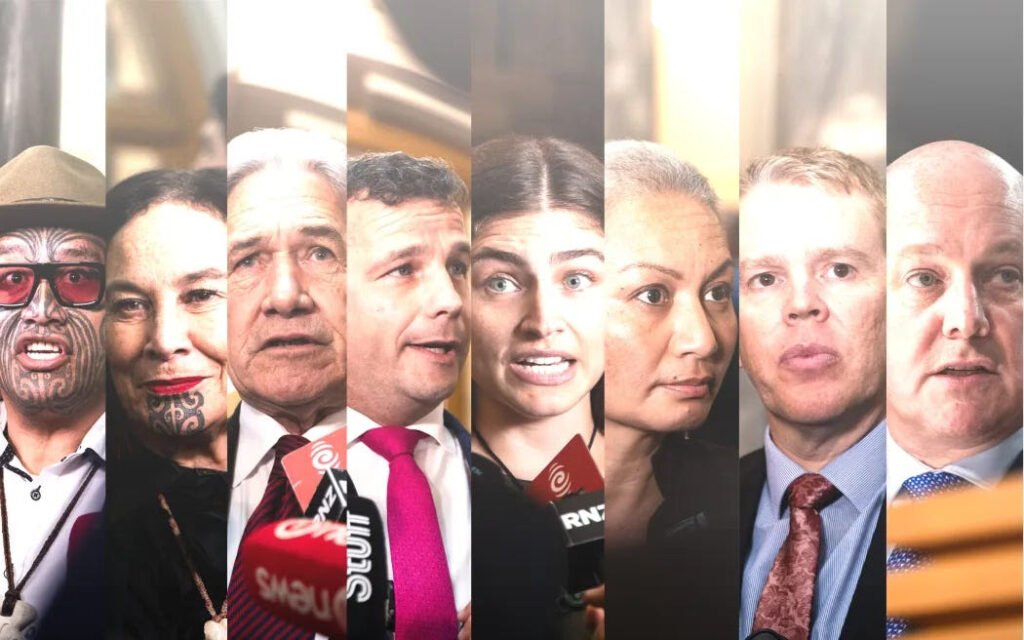
OPINION: Michael Swanson. Are most parties a little bit populist now? As New Zealand heads into the 2026 general election, the contrast between populism and pragmatism in political discourse has never been more stark. Voters are not just choosing parties, they are confronting competing visions of how policies should be shaped with one rooted in popular sentiment, the other in measured, evidence-based approaches. Understanding this tension is crucial, because it defines not just what policies get enacted, but the broader trajectory of the nation’s governance. Populism in New Zealand is not a new thing, nor is it always inherently a…
By Michael Swanson Should Labour extend an olive branch to The Opportunity Party? There’s a pretty strong case for such a deal, but who wins from such an arrangement? Six months out from the election, Labour finds itself in a familiar but uncomfortable position. Every poll shows Labour can’t govern without both the Greens and Te Pāti Māori. That’s a knife-edge coalition that requires three parties to stay disciplined, to avoid internal implosion, and to present a unified enough front to win over a sceptical “middle” New Zealand. If any one of those three legs wobbles, the whole table collapses. But what…