




Sarah McMillan/cvnznews.com
How is this still happening in New Zealand?
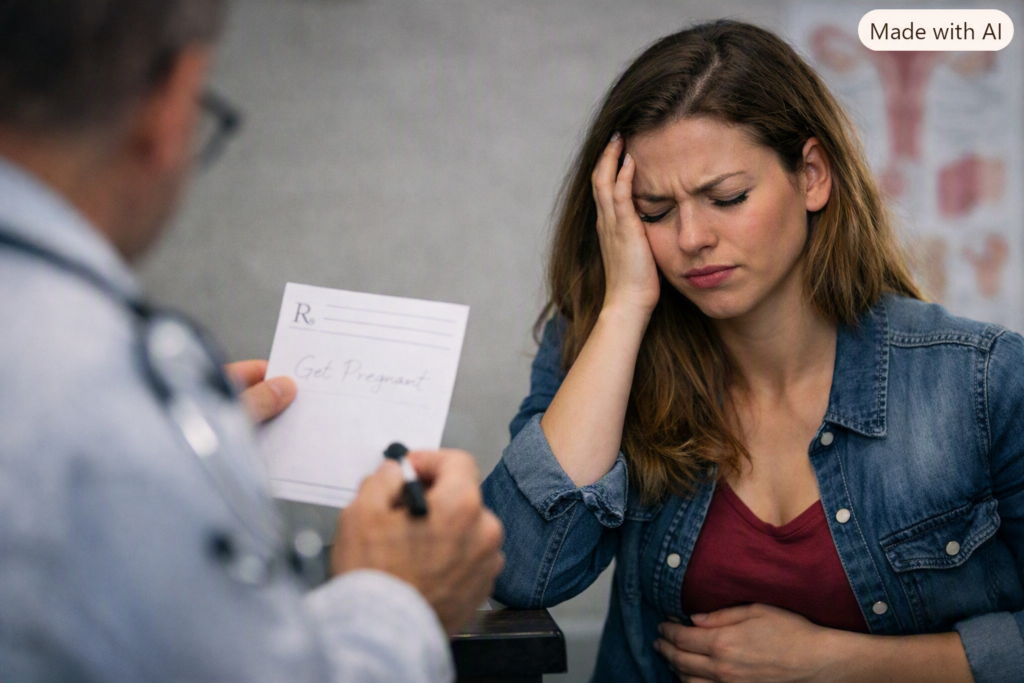
A major new study has revealed that one‑third of people living with endometriosis were told by a medical practitioner to “get pregnant” to relieve their symptoms — advice Endometriosis New Zealand says is outdated, inappropriate, and deeply concerning. The recommendation stems from old‑fashioned beliefs that hormonal changes during pregnancy might temporarily ease pain, but experts say it has no place in modern healthcare and leaves patients feeling dismissed and pressured into life‑changing decisions.
The findings come from two reports released as part of Barriers and Facilitators of Endometriosis Care in Aotearoa New Zealand, a major research project led by Endometriosis New Zealand and the University of Canterbury. The research also confirms that people with endometriosis face a median wait of 10 years from the onset of symptoms to diagnosis.
Endometriosis New Zealand Chief Executive Tanya Cooke says the pregnancy advice is particularly troubling.
“Pregnancy is not a treatment for endometriosis, and no medical practitioner should recommend that someone become pregnant simply to relieve their symptoms,” she says. “Whether to have children is an intensely personal decision. That one‑third of participants received this advice shows an outdated understanding of endometriosis remains in our health system.”
Painful periods, fatigue and lower‑back pain were the most commonly reported symptoms. While 86 percent of participants had been advised to use over‑the‑counter pain relief, only around one‑quarter found medications such as paracetamol effective.
“This shows how difficult symptom management can be,” Cooke says. “Many patients need access to a wide range of evidence‑based treatment options and ongoing support to find what works for them.”
The study also examined complementary and alternative therapies, but no single therapy was rated effective by more than 70 percent of users — reinforcing the need for personalised, multidisciplinary care.
Within the 10‑year diagnostic delay, people waited four years before first raising symptoms with a doctor, and another six years before receiving a diagnosis. One in eight underwent a laparoscopy where no endometriosis was found, only for the disease to be identified in a later surgery.
“Patients should not need repeated surgery before their endometriosis is identified,” Cooke says.
Lead researcher Katherine Ellis says the findings highlight barriers throughout the endometriosis journey and strengthen the case for a National Endometriosis Action Plan.




1 Comment
Pingback: Told to ‘Get Pregnant’ No More — New GP Guidelines Target Endometriosis Failures - cvnznews.com