



Mike Bain/cvnznews.com

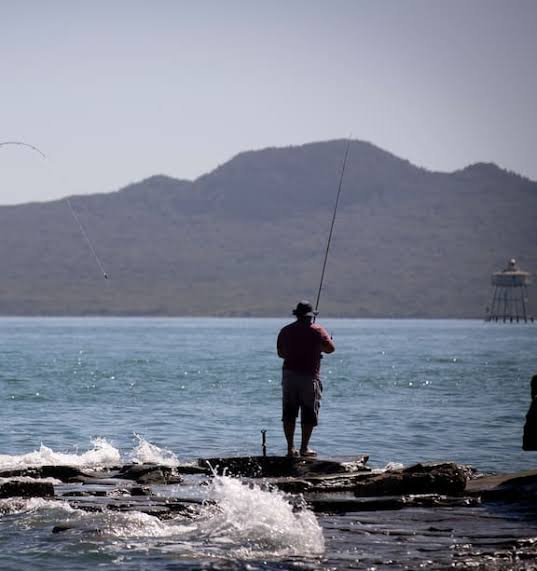
National is casting a line to New Zealand’s recreational fishing community with a new fisheries policy that promises stronger marine protection while defending the right of Kiwis to catch their own dinner.
The party has unveiled a package aimed at balancing conservation, recreational fishing and a commercial seafood industry worth billions of dollars to the economy.
Among the headline commitments are plans for a new marine reserve off Waiheke Island, an expansion of the popular Goat Island Marine Reserve, and a ban on commercial fishing within the Hauraki Gulf’s High Protection Areas.
For recreational fishers, National is offering several key assurances. The party says it will oppose any recreational fishing licence, ensure recreational fishers have a greater voice in future fisheries reforms, and prevent the commercial sale of marlin.
National’s Oceans and Fisheries spokesperson Todd McClay said healthy fisheries are essential for everyone who uses and enjoys New Zealand’s waters.
“All fishers, commercial and recreational, depend on the health of our waters, so that is an important part of our plan,” he said.
The party also plans to review trawl corridors in the Gulf, increase the number of Honorary Fisheries Officers to 200, and introduce tougher penalties for exceeding catch limits.

National says the seafood sector generates around $6.4 billion in economic output annually, while recreational fishing contributes an estimated $1.7 billion and the wider boating and marine industry another $3 billion.
Conservation spokesperson Tama Potaka said the policy was based on the principle of stewardship.
“It is about understanding the asset, managing it well, and handing it on in better condition than we found it.”
National is also proposing a $20 million Fish Tech Innovation Fund and aims to increase marine protected areas within New Zealand’s Exclusive Economic Zone from 32 per cent to 50 per cent by 2040.
For recreational fishers concerned about access, fish stocks and the future of iconic species such as marlin, the policy is likely to be viewed as an attempt to reassure anglers that conservation and fishing can coexist.