


Colin Ambler/cvnznews.com
National has released its election-year fiscal plan, promising to return the Government’s books to surplus, reduce debt and rule out any new taxes, setting up a sharp clash with Labour over the direction of New Zealand’s economy.
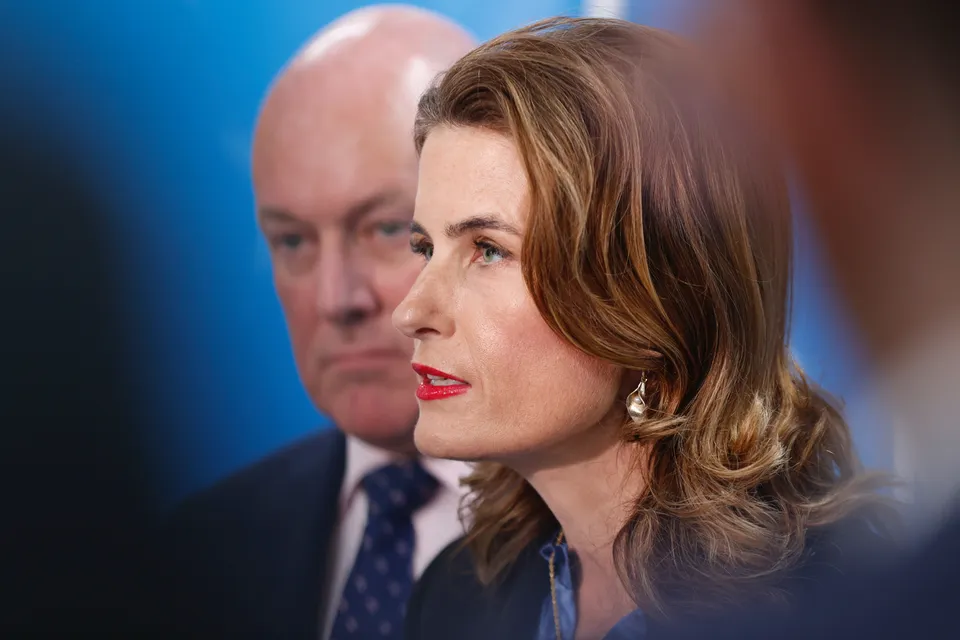
Finance Minister and National finance spokesperson Nicola Willis said the party’s plan prioritises fiscal discipline, forecasting a return to surplus in 2028/29 while gradually reducing net Crown debt in the years ahead. National says its approach is designed to strengthen the economy, lower pressure on interest rates and leave New Zealand better prepared for future economic shocks.
“Getting debt down is essential to delivering lasting prosperity for New Zealand,” Willis said, arguing lower government debt helps keep inflation and borrowing costs under control.
The fiscal plan includes funding for several previously announced election promises, including extending paid parental leave to 30 weeks, introducing a $1,500 KiwiSaver Baby Boost, lower student loan repayments and increased health spending. National says it will invest $15.4 billion into health over the next four years while maintaining its commitment to no new taxes.
National’s forecasts project an operating surplus of $4 billion by 2028/29, rising to $11.7 billion by 2030/31. The party says wages are expected to grow faster than inflation and that around 220,000 new jobs will be created over the next four years.
However, Labour argues National’s economic narrative ignores the challenges many New Zealanders continue to face.
Labour’s own fiscal plan promises a return to surplus in 2028/29 while maintaining significant investment in health, housing and public services. The party says every election promise has been fully funded and independently reviewed.
Labour finance spokesperson Barbara Edmonds has also rejected several of National’s criticisms of her parties fiscal framework, accusing Willis of misrepresenting aspects of Labour’s costings. In recent disputes over tax policy and fiscal projections, Edmonds said National’s calculations were “wrong” and defended Labour’s modelling as fully funded.
The exchange highlights a central question facing voters this election: should New Zealand continue National’s programme of spending restraint and debt reduction, or pursue Labour’s argument that greater public investment is needed to improve services and support economic growth?

While both major parties are promising a return to surplus, they differ significantly on how to get there.
National says controlling expenditure, growing the economy and avoiding new taxes will deliver long-term prosperity.
Labour argues that stronger public investment, support for workers and targeted economic initiatives can balance the books without what it describes as cuts to frontline services.
With economic management likely to remain one of the campaign’s defining issues, voters are being presented with two competing visions of New Zealand’s future, both claiming they can deliver fiscal responsibility, economic growth and improved living standards.