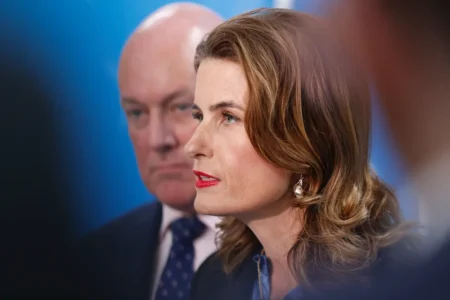


Mike Bain/cvnznews.com
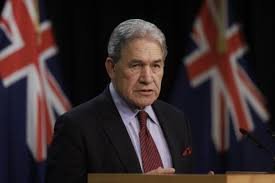
New Zealand First is staking out traditionally Labour-friendly territory with a promise to lift the minimum wage in line with inflation and significantly boost Working for Families payments, as Winston Peters argues low-income workers should not fall behind the cost of living.
The policy also creates a point of difference with coalition partner ACT, which has advocated freezing the minimum wage, highlighting growing contrasts between the parties as the election campaign intensifies.
New Zealand First is making a direct pitch to low-income workers and families, promising annual minimum wage increases and a major boost to Working for Families payments if returned to government.
The party announced it would campaign for the minimum wage to rise every year over the next three years, with increases set at least at the rate of inflation. It also wants to make permanent a temporary increase to the in-work tax credit and lift it further.
Under the proposal, the in-work tax credit would increase to $120 per week. That includes making permanent the current temporary $50 weekly boost introduced earlier this year and adding a further $70 per week.
New Zealand First says the policy would help families struggling with the continued pressure of housing, food, fuel and power costs.
“An essential part of that recovery is ensuring that workers are looked after, that they are paid decent wages, have incentives to stay in work, and that those with families have enough to afford the basics in the household,” the party said.
The Working for Families changes are estimated to cost between $500 million and $600 million annually.
The announcement also highlights New Zealand First’s effort to position itself as a champion of working people during a campaign increasingly focused on cost-of-living issues.
The party argues that workers should not see their purchasing power eroded by inflation and says annual wage adjustments are a matter of fairness.

“Every worker understands the concept of a fair day’s work, for a fair day’s pay,” the party said.
New Zealand First pointed to its involvement in previous governments, claiming responsibility for regular minimum wage increases during its periods in office.
The policy also marks a contrast with calls from some quarters of the political right to restrain wage growth. Instead, New Zealand First argues that putting more money into workers’ pockets will help households meet rising costs while boosting spending in local communities.
With the election campaign entering a crucial phase, the party is betting that promises focused on wages and family incomes will resonate with voters seeking relief from ongoing financial pressures.