


Mike Bain /cvnznews.com
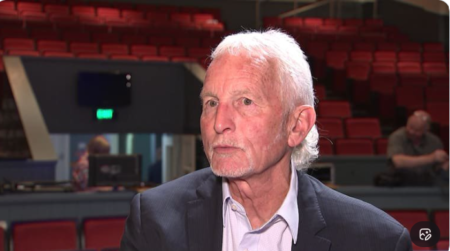
NZ First candidate and broadcaster Michael Laws has issued an unreserved apology after controversial comments about female candidates from The Opportunities Party (TOP) drew widespread criticism and prompted a rebuke from party leader Winston Peters.
The controversy erupted following comments made by Laws during his programme on The Platform, where he described TOP’s female candidates as “stern”, “severe-looking women” and “authoritarian fascists”. He also made personal remarks about their appearance and personalities, suggesting they would be difficult to date.
Laws singled out TOP candidate Kayla Kingdon-Bebb, who had appeared with him at a recent debate, before turning his attention to party leader Qiulae Wong. He said Wong’s “stern” and “disapproving” appearance reflected what he viewed as a broader attitude within the party.
The comments quickly triggered a strong reaction from across the political spectrum. Critics labelled the remarks sexist and inappropriate, with some describing them as “vile” and “absolutely disgusting”.
Speaking to the media on Wednesday, Laws acknowledged the backlash and conceded his attempt at humour had missed the mark.
He said his comments had been intended to be “mischievously humorous” but had instead caused offence.
“I had no intent to cause offence but of simply being wry and puckish, so if I have offended, I unreservedly apologise. It was not my intention to do so,” Laws said.
The veteran broadcaster also revealed he had received a stern message from NZ First leader Winston Peters in the wake of the controversy.
According to Laws, Peters told him his “commentary went too far”, making it clear the remarks were unacceptable and should not have been made.
The episode has created an unwelcome distraction for NZ First as the election campaign gathers pace, placing candidate behaviour and political standards under an uncomfortable spotlight.
While Laws’ apology may draw a line under the immediate controversy, the incident has reignited debate over political discourse, the treatment of women in politics, and where the line lies between satire, humour and personal attack in modern election campaigns.